
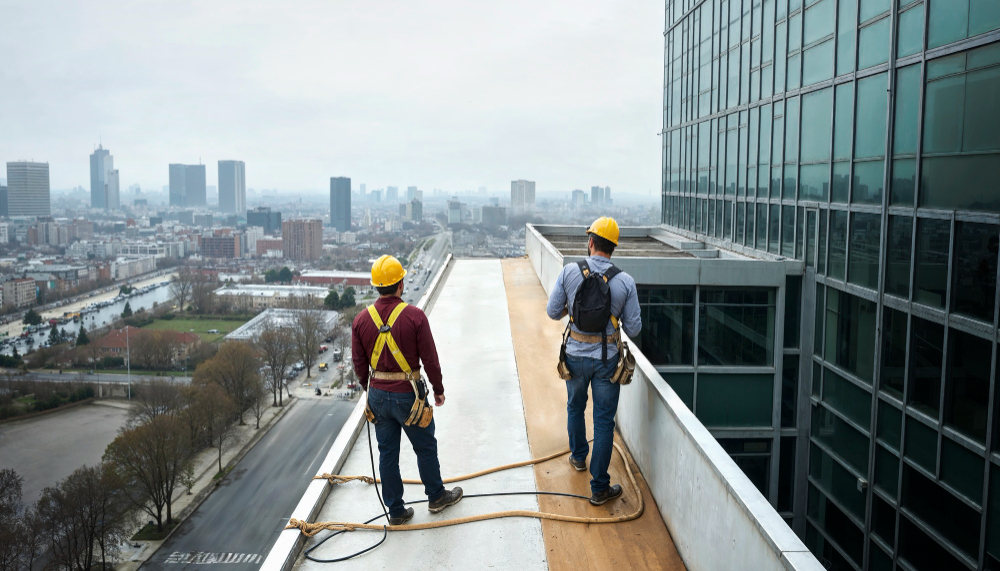
Working at height remains one of the most closely monitored safety concerns across Saudi Arabia’s construction, oil and gas, logistics, and industrial sectors. As projects become larger and regulations become more demanding, safety equipment is evolving quickly. In 2026, new expectations around harness design, inspection practices, and worker protection are raising the standard for fall protection systems.
One of the most important pieces of equipment in this evolution is the Full Body Harness. Modern harnesses are no longer viewed as simple compliance tools; they are critical safety assets designed to improve comfort, reduce fatigue, and enhance protection during high-risk tasks. For companies operating in Saudi Arabia’s rapidly growing industrial landscape, understanding the latest standards is essential.
Why Harness Standards Continue to Evolve?
Safety standards are updated to address real-world workplace challenges. As industries adopt advanced equipment and workers spend longer hours at elevated positions, safety organizations continuously evaluate accident reports, field data, and technological innovations.
According to the Occupational Safety and Health Administration (OSHA), falls remain among the leading causes of serious workplace injuries and fatalities worldwide. This ongoing risk has encouraged regulators and manufacturers to improve fall protection equipment through stricter testing and performance requirements.
Key Safety Standard Changes for 2026
1. Enhanced Load Distribution Requirements
One major focus in 2026 is worker comfort during suspension events. Updated standards emphasize harness designs that distribute impact forces more evenly across the shoulders, chest, pelvis, and thighs.
This may seem like a small adjustment, but better load distribution can significantly reduce injury severity after a fall. Many manufacturers now integrate ergonomic padding and improved strap geometry to achieve these requirements.
2. Increased Durability Testing
Saudi Arabia’s demanding environment presents unique challenges. High temperatures, UV exposure, dust, and chemical contact can accelerate equipment wear.
New testing protocols require harness materials to demonstrate stronger resistance against:
- Extreme heat exposure
- Abrasive environments
- UV degradation
- Chemical contamination
- Long-term material fatigue
This is particularly valuable for workers in petrochemical facilities, industrial plants, and large infrastructure projects across the Kingdom.
3. Improved Identification and Traceability
Another noteworthy development is the growing use of digital tracking systems. Many 2026-compliant harnesses now feature QR codes, RFID tags, or digital serial identification.
These systems help safety managers:
- Track inspection history
- Monitor service life
- Verify compliance records
- Schedule replacements proactively
For organizations managing hundreds of workers, digital traceability simplifies compliance while reducing the risk of using expired equipment.
The Growing Importance of Integrated Fall Protection Systems
Safety experts increasingly emphasize that a harness should never be viewed in isolation. Modern regulations encourage employers to implement complete fall protection solutions that work together.
For example, properly selected fall arresters, anchor points, connectors, and lifelines must be compatible with the harness itself.
Think of it like a vehicle’s safety system. A seatbelt alone cannot provide maximum protection without airbags, braking systems, and structural reinforcement. Similarly, effective fall protection depends on the performance of every connected component.
Smart Features Becoming More Common
Technology is gradually entering the world of personal protective equipment. While not yet mandatory everywhere, many manufacturers are introducing smart safety features that align with future-focused standards.
Emerging innovations include:
- Impact detection sensors
- Wear-and-tear monitoring indicators
- Real-time worker location tracking
- Inspection reminder systems
As Saudi Arabia advances major projects under Vision 2030, adoption of these technologies is expected to grow across construction and industrial sectors.
Training Requirements Are Receiving Greater Attention
Even the most advanced harness cannot compensate for improper use. Recent standards place stronger emphasis on competency-based training and practical demonstrations.
Workers are increasingly expected to understand:
- Proper harness fitting procedures
- Equipment inspection techniques
- Emergency rescue protocols
- Correct anchor point selection
- Fall clearance calculations
Organizations looking to strengthen their safety culture can also benefit from understanding Why Every Industrial Unit Needs a Fall Safety Plan?, as comprehensive planning remains a cornerstone of accident prevention.
Choosing the Right Equipment in 2026
When selecting a harness today, buyers should look beyond basic certification labels. A quality Harness with Lanyard should offer a balance of comfort, durability, adjustability, and compatibility with the overall fall protection system.
Additional relevant considerations include worker mobility, ergonomic design, safety compliance equipment standards, and industrial fall protection requirements specific to the job site.
Frequently Asked Questions
1. What is the biggest change in full body harness standards for 2026?
The biggest change is the stronger focus on ergonomics, durability testing, and equipment traceability, ensuring better protection and easier compliance management.
2. Are smart harnesses required under current regulations?
No. Smart features are generally optional, but they are becoming increasingly popular because they support safety monitoring and inspection management.
3. How often should a full body harness be inspected?
Harnesses should be visually inspected before each use and undergo documented periodic inspections according to manufacturer recommendations and workplace safety policies.
4. Why is compatibility between harnesses and fall arrest systems important?
Compatibility ensures all components function correctly during a fall event, reducing equipment failure risks and improving worker protection.
Final Thoughts
The latest safety standards for 2026 reflect a broader shift toward smarter, more reliable, and worker-focused fall protection solutions. For businesses across Saudi Arabia, staying current with these developments is not simply about meeting regulations-it is about protecting people, improving operational efficiency, and building a stronger culture of workplace safety. Investing in modern harness technology and proper training today can help prevent life-changing incidents tomorrow.
Full Audio Version: Click Here