
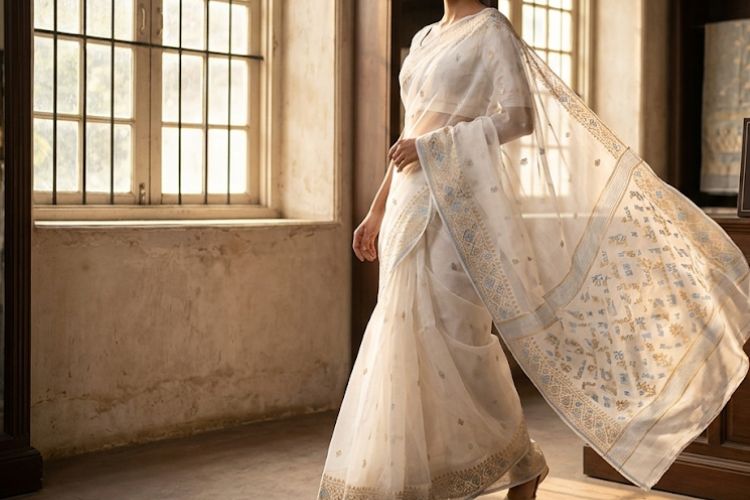
Jamdani textiles have a way of capturing attention without trying too hard. Their delicate motifs, airy weave, and centuries-old craftsmanship make them stand apart in a world increasingly dominated by mass production. But with growing demand comes a challenge: how do you identify authentic Jamdani products and source them confidently without falling for imitations?
Whether you’re a boutique owner, fashion retailer, or textile enthusiast, understanding the sourcing process is essential. Many buyers exploring Jamdani saree wholesale USA options quickly discover that authenticity isn’t always obvious at first glance. Knowing what to look for can make all the difference.
Why Authentic Jamdani Matters
Jamdani weaving is more than a textile-making technique; it is a cultural art form passed down through generations. Skilled artisans manually weave intricate patterns directly into the fabric, often spending days or even weeks completing a single saree.
According to UNESCO, traditional Jamdani weaving is recognized as an important element of intangible cultural heritage. This recognition highlights both its artistic significance and the need to preserve genuine craftsmanship.
When buyers choose authentic products, they support artisan communities while ensuring higher quality and greater value for customers.
Also Read: How to Care for Your Silk Saree
Know the Hallmarks of Genuine Jamdani
One of the biggest sourcing mistakes is relying solely on appearance. Modern machine-made fabrics can imitate traditional patterns surprisingly well.
Look for These Authentic Characteristics
- Handwoven motifs integrated directly into the fabric.
- Soft, lightweight texture with excellent breathability.
- Slight variations that reflect handcrafted production.
- Detailed workmanship visible on close inspection.
- Premium cotton or cotton-silk blends.
Ironically, perfection can sometimes be a warning sign. Handmade textiles often contain subtle irregularities that reveal the human touch behind their creation.
Build Relationships with Trusted Suppliers
Experienced textile buyers rarely source based on price alone. They focus on supplier credibility, transparency, and consistency.
A trustworthy Jamdani supplier should be willing to discuss weaving methods, production timelines, material sourcing, and artisan involvement. Open communication often signals genuine expertise.
Questions Worth Asking Suppliers
- Where are the textiles woven?
- Are the products handwoven or machine-assisted?
- What materials are used in production?
- Can samples be provided before large orders?
- How is quality control managed?
Think of sourcing as building a partnership rather than placing a transaction. Long-term supplier relationships often lead to better quality assurance and more consistent inventory.
Evaluate Fabric Quality Carefully
Photographs can be helpful, but they rarely tell the whole story. Whenever possible, request physical samples before committing to wholesale purchases.
Examine:
- Fabric softness and drape.
- Motif clarity and weaving precision.
- Thread quality.
- Color consistency.
- Overall finishing standards.
Many successful ethnic fashion retailers treat sample evaluation as an investment rather than an expense. A small upfront cost can prevent significant losses later.
Stay Aware of Market Trends
The global demand for handcrafted textiles continues to grow as consumers seek unique, sustainable fashion alternatives. Authentic handloom sarees, artisan textiles, and traditional weaving techniques have gained increased appreciation among buyers who value craftsmanship over mass production.
Industry insights from organizations such as the World Trade Organization indicate continued interest in culturally distinctive products that combine heritage value with modern fashion appeal.
For retailers, this trend creates opportunities to position authentic Jamdani collections as premium offerings rather than competing solely on price.
Common Sourcing Mistakes to Avoid
Even experienced buyers occasionally encounter challenges. Awareness of common pitfalls can help minimize risk.
- Choosing suppliers based only on low pricing.
- Skipping sample inspections.
- Ignoring production timelines.
- Failing to verify artisan involvement.
- Overlooking quality documentation.
A bargain that looks attractive initially may become expensive if the products fail to meet customer expectations.
Frequently Asked Questions
How can I identify authentic Jamdani textiles?
Authentic Jamdani fabrics feature handwoven motifs integrated into the weave, lightweight textures, and subtle variations that reflect artisanal craftsmanship.
Why are genuine Jamdani sarees more expensive?
Because they require extensive manual labor, skilled craftsmanship, and significant production time compared to machine-made alternatives.
Is sampling important before placing wholesale orders?
Yes. Physical samples allow buyers to evaluate fabric quality, weaving precision, color accuracy, and overall finishing standards.
What makes Jamdani textiles popular globally?
Their unique combination of cultural heritage, intricate designs, breathable fabrics, and handcrafted exclusivity appeals to modern consumers worldwide.
Final Thoughts
Sourcing authentic Jamdani textiles is both an art and a strategy. By understanding craftsmanship indicators, working with reliable suppliers, and prioritizing quality over shortcuts, buyers can build collections that honor tradition while meeting modern market expectations. In the long run, authenticity remains one of the strongest competitive advantages in the textile industry.
Blog Development Credits
This article was thoughtfully developed with guidance from Megh Balika. Research and content creation benefited from advanced AI platforms, while final editorial refinement, quality review, and SEO optimization were completed by Megh Balika.