
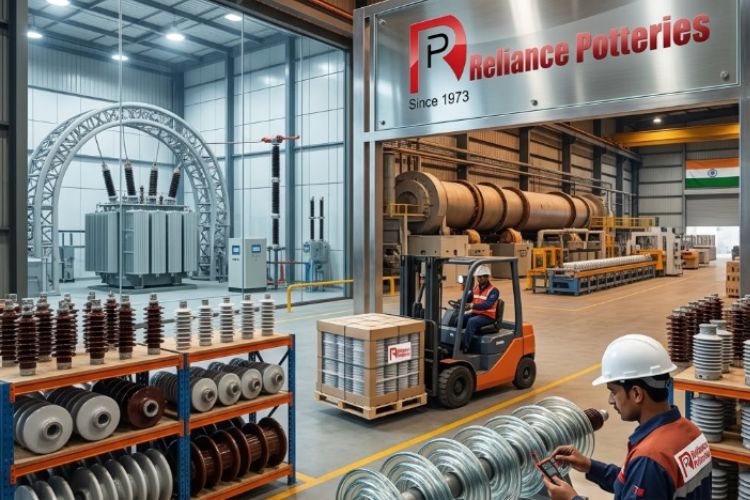
In a country where power demand keeps climbing, the humble insulator plays a surprisingly critical role. From high-voltage transmission lines to compact substations, choosing the right manufacturer isn’t just technical—it’s strategic. So, how do you identify the best insulator manufacturers in India for 2026 without getting lost in jargon or marketing fluff?
India’s power infrastructure is evolving rapidly, and Electrical Insulator Manufacturers in India are stepping up with advanced materials, smarter designs, and global-quality standards. Whether you’re an EPC contractor or a procurement specialist, knowing the landscape can save both time and cost.
Also Read: How Insulators Enhance Safety in Electrified Railway NetworksWhy Insulator Quality Matters More Than Ever
Think of insulators as silent guardians. They don’t generate electricity, but without them, everything collapses—literally. Poor-quality insulators can lead to leakage currents, flashovers, and even large-scale outages.
According to India’s Central Electricity Authority (CEA), transmission losses still account for a notable percentage of energy inefficiency (cea.nic.in). While multiple factors contribute, substandard components—including insulators—are often overlooked culprits.
Key Performance Indicators Experts Look For:
- Mechanical Strength: Ability to withstand environmental stress like wind and load tension.
- Electrical Resistance: High dielectric strength to prevent leakage.
- Weather Durability: Resistance to pollution, humidity, and UV radiation.
Top Traits of Leading Insulator Manufacturers
Not all manufacturers are created equal. Some focus on volume, while others emphasize precision engineering. The best players in 2026 balance both.
What Sets Industry Leaders Apart:
- Material Innovation: Use of high-alumina porcelain or composite polymers.
- Testing Standards: Compliance with IEC and IS benchmarks.
- Customization: Ability to design insulators for niche applications like railways or renewable energy grids.
Interestingly, manufacturers investing in R&D tend to outperform others in long-term reliability. It’s not just about selling insulators—it’s about engineering resilience.
Types of Insulators Dominating the Market
If you’re sourcing for a project, understanding product categories helps narrow down your options quickly.- Porcelain Insulators: Traditional yet highly reliable for high-voltage systems.
- Composite Insulators: Lightweight and ideal for polluted or coastal areas.
- Glass Insulators: Known for transparency and ease of inspection.
For instance, if your project involves substations, working with an experienced HV Bushing Manufacturer in India ensures both safety and longevity.
Spotlight: Specialized Insulator Solutions
As infrastructure gets more complex, niche products are gaining traction. One such example is anti-sway insulators, designed specifically for railway electrification and overhead systems.
Midway through procurement discussions, many engineers realize the importance of working with a trusted Anti Sway Insulator Supplier in India. These components prevent lateral movement, ensuring stable current flow even under dynamic conditions.
Where Specialized Insulators Make a Difference:
- Railway electrification systems
- Wind and solar farms
- Urban high-density transmission networks
How to Choose the Right Manufacturer in 2026
Here’s where things get practical. With dozens of suppliers claiming excellence, how do you actually choose?
A Simple Decision Framework:
- Check Certifications: ISO, IEC compliance is non-negotiable.
- Review Case Studies: Past projects reveal real-world performance.
- Evaluate After-Sales Support: Technical guidance matters more than you think.
FAQs
1. What are the most commonly used insulators in India?
Porcelain and composite insulators dominate due to their durability and adaptability to India’s diverse climate conditions.
2. How do I verify an insulator manufacturer’s quality?
Look for certifications like IEC standards, lab test reports, and proven project experience across industries.
3. Are composite insulators better than porcelain ones?
Not necessarily better—just different. Composite insulators are lighter and perform well in polluted areas, while porcelain offers long-term reliability.
4. Why are anti-sway insulators important?
They stabilize overhead conductors, especially in railway systems, reducing mechanical stress and improving operational safety.
Also Read: Best Porcelain Bushing Manufacturers for QualityFinal Thoughts
Choosing the right insulator manufacturer in India isn’t just about ticking boxes—it’s about future-proofing your infrastructure. As 2026 approaches, the focus is clearly shifting toward innovation, durability, and application-specific design. Make your choice wisely; your entire electrical network depends on it.
Blog Development Credits
This blog was thoughtfully developed with insights from Reliance Potteries, using AI tools like ChatGPT, Gemini, and Copilot, then refined with expert SEO input from the same team.

Comments (0)
Leave a Comment