
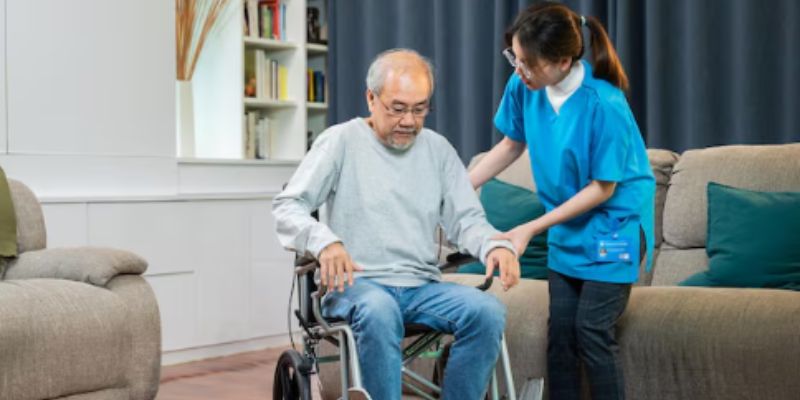
Elderly care services in San Jose provide professional, non-medical support ranging from personal hygiene assistance and medication reminders to companionship and mobility support allowing older adults to live independently and safely in their own homes. These personalized services help seniors maintain their daily routines across Silicon Valley neighborhoods while giving family caregivers essential relief and long-term peace of mind.
Choosing professional Elderly Care Services San Jose ensures your aging parents receive structured, compassionate care tailored specifically to their changing physical and cognitive needs, without disrupting the comfort of their familiar surroundings.
What Are In-Home Elderly Care Services in San Jose?
In-home elderly care is a specialized model of non-medical support delivered directly inside a senior’s primary residence. Unlike nursing homes or assisted living facilities, home care focuses on assisting with Activities of Daily Living (ADLs) and Instrumental Activities of Daily Living (IADLs) so individuals can age in place.
In San Jose’s fast-paced environment, local care frameworks typically break down into three core pillars of support:
- Personal Care Assistance: Hands-on help with bathing, dressing, grooming, toileting, and transfers.
- Companion Care & Household Help: Light housekeeping, meal preparation, grocery shopping, and engaging social activities to combat isolation.
- Specialized Memory Support: Structured supervision for seniors navigating mild cognitive impairment, Alzheimer’s, or vascular dementia.
4 Essential Steps to Build an Effective Home Care Plan
Setting up in-home care shouldn’t feel overwhelming. Following a structured assessment framework helps families in the Bay Area transition smoothly from informal family caregiving to professional home support.
- Conduct a Home Safety & Daily Needs Assessment: Evaluate mobility risks in the home such as staircases, rugs, or bathroom layout and identify specific times of day where assistance is needed most (e.g., morning routines or evening sundowning).
- Determine the Level of Care and Hourly Schedule: Decide whether your loved one requires part-time respite care (4–8 hours a week), daily companion support, or comprehensive 24/7 coverage.
- Match Caregivers Based on Skill and Personality: Pair your relative with trained care professionals who possess experience in specific conditions (such as Parkinson’s or mobility aid operation) and match their communication style.
- Establish a Dynamic Care Continuum: Continuously review and refine the care plan alongside family members and physicians as health conditions evolve over time.
Why Aging in Place Fits the San Jose Lifestyle?
San Jose seniors often have deep roots in vibrant communities from Willow Glen to Almaden Valley and Berryessa. Relocating to a residential facility can trigger confusion and anxiety, particularly for those experiencing early cognitive decline.
Maintaining familiar routines walking through neighborhood parks, preparing favorite meals, and remaining near familiar medical providers like Stanford Health Care or Kaiser Permanente drastically improves emotional well-being. Expanding local networks for Senior Care in Santa Clara County ensures families can keep their loved ones safe while protecting their cherished independence and dignity.
Comparing In-Home Care vs. Assisted Living Facilities
Understanding the fundamental differences between home care and institutional settings helps families make informed, cost-effective decisions.
In-Home Care Services vs. Assisted Living Facilities
1. Living Environment
In-Home Care Services: Seniors receive support in their own familiar and private home environment.
Assisted Living Facilities: Seniors live within a shared community or in a private apartment provided by the facility.
2. Care Ratio
In-Home Care Services: Care is provided with dedicated one-on-one attention based on the senior’s individual needs.
Assisted Living Facilities: Caregivers typically support multiple residents within the community.
3. Routine Flexibility
In-Home Care Services: Daily routines can be customized around the senior’s preferences, habits, and schedule.
Assisted Living Facilities: Residents generally follow structured schedules for meals, activities, and other services.
4. Cost Model
In-Home Care Services: Costs are commonly based on the number of hours and type of care required.
Assisted Living Facilities: Costs generally involve a monthly base fee, with additional charges possible for certain care services.
How In-Home Care Alleviates Family Caregiver Burnout?
Family caregivers across Silicon Valley frequently balance demanding careers, childcare, and adult care responsibilities. Over time, this dual pressure leads to physical exhaustion and emotional burnout.
Integrating professional senior care providers creates a sustainable care arrangement. It allows adult children to step back from demanding physical care tasks and return to being supportive sons and daughters, knowing their parents are in safe, capable hands.
Frequently Asked Questions
1. What is the difference between home health care and in-home care?
In-home care provides non-medical assistance with daily tasks like bathing, meal preparation, and companionship. Home health care involves skilled medical services provided by licensed nurses or physical therapists under a doctor’s prescription.
2. How many hours of care does a senior usually need?
Care schedules vary widely based on individual health needs. Many seniors start with 12 to 20 hours per week for basic assistance, while others require daily 8-hour shifts or continuous 24/7 care.
3. Are in-home care services in San Jose customized for dementia?
Yes. Professional caregivers receive specialized training in dementia and Alzheimer’s care, focusing on cognitive engagement, routine preservation, redirection techniques, and fall prevention.
4. How quickly can elderly care services begin in San Jose?
Most home care agencies can complete an initial in-home assessment and match a qualified caregiver within 24 to 48 hours, with emergency coverage available even faster in urgent situations.
4. Can in-home care plans change as health needs increase?
Absolutley. Home care plans are inherently flexible and can easily adjust from short respite shifts to full-time support as care requirements progress over time.
Final Thoughts
Navigating senior care choices doesn’t have to be overwhelming. By prioritizing in-home elderly care services in San Jose, families can deliver personalized, high-touch support that honors their parent’s independence while ensuring round-the-clock safety and companionship.
Full Audio Version:- Click Here