
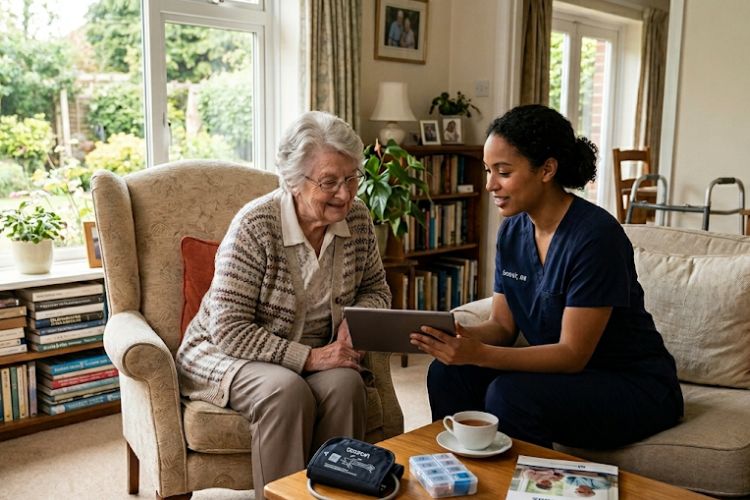
When aging loved ones begin to need extra support, families and business owners often face a tough question—how to ensure quality care without compromising comfort? Home-based solutions are becoming the preferred answer. Today, Health Care For Senior Citizens is evolving into a personalized, flexible, and cost-effective approach that balances medical needs with emotional well-being.
For both B2B and B2C stakeholders, from healthcare providers to service entrepreneurs, understanding home health care is no longer optional—it’s a growing necessity in an aging society.
Why Home Health Care Is Gaining Momentum
Let’s face it—no one truly enjoys hospital stays unless absolutely necessary. Seniors, in particular, feel safer and more relaxed in familiar surroundings. According to a report by the World Health Organization, the global population aged 60 years and above is expected to double by 2050, increasing demand for accessible elder care solutions.
Home health care bridges this gap by offering:
- Personalized attention tailored to individual health conditions
- Reduced risk of hospital-acquired infections
- Emotional stability through family presence
- Cost efficiency compared to long-term hospital stays
Core Services Included in Home Health Care
Medical Assistance at Home
This includes professional nursing care, medication management, and post-surgical support. Skilled nurses can monitor vital signs, administer injections, and manage chronic illnesses like diabetes or hypertension.
Daily Living Support
Not every need is medical. Seniors often require help with daily activities such as bathing, dressing, and meal preparation. These seemingly small tasks significantly impact their dignity and quality of life.
Companionship and Mental Wellness
Loneliness is an underestimated issue among seniors. A study by the National Institute on Aging highlights how social isolation can increase health risks. Caregivers play a vital role in offering emotional support and companionship.
Choosing the Right Care Model
If you’re a business owner or decision-maker, selecting the right service model is crucial. Not all home care solutions are created equal.
- Full-Time Care: Ideal for seniors with severe health conditions
- Part-Time Assistance: Suitable for moderate needs
- Specialized Care: Focused on dementia, Alzheimer’s, or post-operative recovery
Many families now prefer reliable providers like Senior Citizen Care Services In Kolkata, which combine professional expertise with compassionate care delivery.
Key Benefits for Businesses and Service Providers
From a B2B perspective, the home healthcare sector is booming. Entrepreneurs and healthcare providers can tap into this demand by offering scalable and tech-enabled services.
- Growing Market Demand: With aging populations, demand is consistently rising
- Flexible Service Models: Businesses can offer customized care packages
- Technology Integration: Remote monitoring and telehealth are expanding possibilities
Interestingly, integrating digital tools like wearable health monitors or teleconsultation platforms can significantly enhance service quality and client satisfaction.
Best Practices for Effective Home Care
Delivering or choosing quality home health care isn’t just about hiring a caregiver—it’s about building a system.
- Conduct regular health assessments and update care plans
- Ensure caregivers are trained, verified, and empathetic
- Maintain open communication between family, caregivers, and doctors
- Use technology for tracking medications and appointments
Think of it as managing a small ecosystem—each element plays a role in ensuring the senior’s well-being.
Future Trends in Senior Home Health Care
The future of elderly care is surprisingly dynamic. Innovations like AI-driven health monitoring, virtual consultations, and personalized care apps are reshaping how services are delivered.
According to CDC Aging Data, preventive care and early intervention are becoming key strategies in reducing long-term healthcare costs. This shift will further boost home-based care models.
FAQs
1. What is home health care for senior citizens?
It refers to medical and non-medical services provided at home to support elderly individuals in maintaining their health and independence.
2. Is home health care more affordable than hospital care?
In most cases, yes. Home care eliminates hospital stay costs and allows customized service plans, making it more budget-friendly.
3. How do I choose the right caregiver?
Look for certified professionals with experience, background checks, and positive client feedback. Personal compatibility also matters.
4. Can home care handle serious medical conditions?
Yes, with trained nurses and proper medical supervision, many chronic and post-surgical conditions can be managed effectively at home.
Read More: Emergency Home Health Care: Fast, Reliable Support for Seniors at HomeFinal Thoughts
Home health care isn’t just a service—it’s a thoughtful approach to aging with dignity. Whether you’re a business owner exploring opportunities or a family seeking reliable support, investing in quality home care creates lasting value. As demand continues to rise, those who prioritize empathy alongside expertise will truly stand out.
Comments (0)
Leave a Comment