
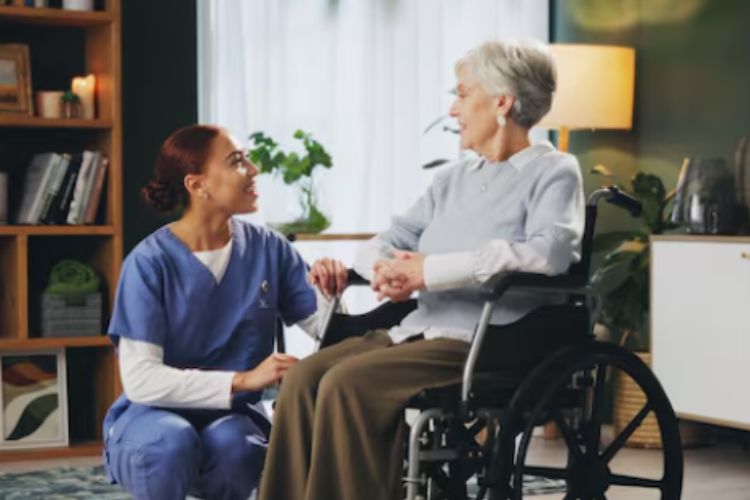
Growing older at home can provide familiarity, independence, and emotional comfort. However, everyday activities can become more challenging as mobility, balance, vision, or strength change. Thoughtfully planned senior home care can help older adults manage daily routines safely while allowing them to remain in a familiar environment. For families exploring senior care facilities and home-based support, the goal is not simply assistance it is creating a safer, more comfortable daily experience.
What Is Senior Home Care?
Senior home care refers to support provided in an older adult’s home to help with everyday activities, companionship, mobility, transportation, and other practical needs. Depending on an individual’s situation, support may range from occasional assistance with household routines to more regular personal care and monitoring.
The broader concept of aging in place is important because many older adults prefer to remain in their own homes and communities as they grow older.
How Senior Home Care Improves Safety?
Safety at home involves much more than removing a loose rug. An older adult may face risks while bathing, preparing meals, walking between rooms, managing appointments, or getting up during the night. Regular support can help identify difficulties before they become serious problems.
1. Reducing Fall Risks
Falls are a significant concern for older adults. The National Institute on Aging reports that more than one in four people aged 65 and older fall each year. NIA recommends practical measures such as improving lighting, removing trip hazards, using bathroom grab bars, reviewing medications, and addressing vision or balance concerns.
A caregiver can support safer routines by keeping walking areas clear, assisting with mobility when needed, and noticing changes in steadiness or confidence. Home care does not replace professional medical evaluation, but it can provide an additional layer of everyday safety.
2. Supporting Safe Daily Activities
Tasks that once seemed simple can become tiring or difficult. Preparing meals, organizing household items, dressing, bathing, or moving around the home may require additional support.
Appropriate assistance can reduce unnecessary strain while allowing seniors to participate in activities they can safely manage themselves. This balance is important because effective care should support independence rather than unnecessarily taking it away.
How Home Care Improves Comfort?
Comfort includes physical surroundings, daily routines, companionship, and the ability to maintain familiar habits. Personalized home care can adapt assistance to the individual’s preferences instead of forcing every person into the same routine.
3. Maintaining Familiar Routines
Remaining at home can allow seniors to continue familiar routines, sleep in their own bedroom, enjoy preferred meals, and stay connected with their neighborhood and community. Caregivers can provide practical assistance while helping preserve these routines.
This person-centred approach aligns with WHO guidance, which emphasizes personalized assessment, coordinated care, functional ability, and individualized care planning for older adults.
4. Providing Companionship
Social connection is another important part of comfortable aging. A caregiver can provide conversation, accompany a senior during activities, assist with errands, or simply offer a familiar presence during the day.
Companionship should not be viewed as an optional extra. Emotional wellbeing and social connection form part of a broader approach to supporting older adults as whole people.
Home Safety Requires Ongoing Attention
A safe home should be reviewed as a senior’s needs change. NIA recommends examining the home room by room and addressing immediate hazards such as poor lighting, unsecured carpets, unsafe stairs, and bathroom risks.
Simple improvements can include installing appropriate grab bars, improving nighttime lighting, keeping frequently used items within easy reach, securing carpets, and keeping walkways free of clutter. These changes can make everyday movement easier and reduce avoidable hazards.
When Can Senior Home Care Be Helpful?
Families may want to consider additional home support when an older adult begins struggling with everyday activities, has difficulty maintaining household routines, experiences mobility challenges, or spends long periods alone.
Other signs can include repeated difficulty getting to appointments, challenges preparing meals, increasing dependence on family members, or a noticeable reduction in social activity. These signs do not automatically mean a person requires intensive care. Instead, they can indicate that a conversation about appropriate support is worthwhile.
Choosing a Personalized Senior Care Service
The right level of assistance depends on the individual’s abilities, preferences, home environment, schedule, and family circumstances. Before arranging a senior care service, families should consider what type of assistance is actually needed.
- What daily activities require assistance?
- Does the senior need companionship or transportation support?
- Are there mobility or fall-prevention concerns?
- How frequently is support required?
- Can care arrangements adapt if needs change?
Good home care should be flexible enough to support changing needs while respecting the senior’s preferences and dignity.
The Role of Families in Senior Home Care
Professional caregivers and family members can complement one another. Families can communicate preferences, participate in care planning, and stay aware of changing needs, while caregivers can provide consistent practical support during agreed periods.
Open communication is especially valuable when mobility, safety, or daily routines change. Families can also explore educational resources such as How Simple Gesture Improve the Quality of Life for Senior to consider how small acts of attention can contribute to a more supportive environment.
Frequently Asked Questions
1. What are the main benefits of senior home care?
Senior home care can provide assistance with daily activities, companionship, transportation, mobility, and household routines while helping older adults remain in a familiar environment.
2. How does home care help prevent falls?
Caregivers can help maintain clear walking areas, support safer movement, encourage appropriate routines, and identify potential hazards. NIA also recommends home modifications, medication review, vision checks, and strength and balance activities where appropriate.
3. Can senior home care support independent living?
Yes. Appropriate assistance can help seniors manage tasks they find difficult while allowing them to continue performing activities they can safely handle themselves. The aim is supportive independence rather than unnecessary dependence.
4. What should families consider before choosing home care?
Families should consider the senior’s daily needs, mobility, schedule, preferences, required assistance, companionship needs, transportation requirements, and how the care plan can adapt over time.
5. How often should a senior’s home safety be reviewed?
Home safety should be reassessed whenever the senior’s mobility, health, routines, or abilities change. NIA recommends periodically reevaluating the home as needs evolve.
Final Thoughts
Senior home care can support more than daily tasks. When thoughtfully planned, it can contribute to safer movement, greater comfort, familiar routines, companionship, and continued independence at home. Home modifications, professional guidance, family involvement, and personalized assistance can work together to create a practical aging-in-place strategy.
The most effective approach begins with understanding the senior’s individual needs rather than assuming every person requires the same type of care. By regularly reviewing safety, comfort, mobility, and social needs, families can make informed decisions about the level of support that may be appropriate.