
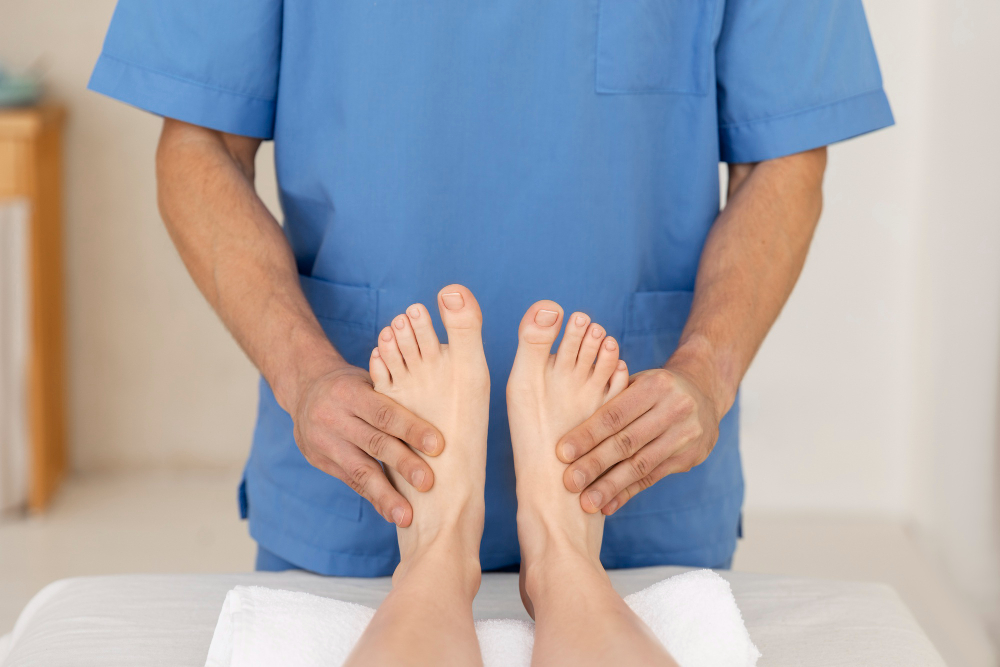
Many people assume flat feet are simply a foot shape difference that cannot be changed. Yet, when aching arches, heel discomfort, or tired legs start interfering with daily life, the condition becomes much more than a cosmetic concern. Fortunately, physical therapy offers a practical and non-surgical approach to managing symptoms and improving mobility.
For individuals seeking guidance from the best flat feet doctor in Kolkata, physical therapy is often recommended as a key part of treatment. It focuses on strengthening muscles, improving alignment, and helping the feet function more efficiently during everyday activities.
Understanding Flat Feet and Their Impact
Flat feet, also known as fallen arches, occur when the arches of the feet collapse or do not develop fully. As a result, the entire sole touches the ground while standing. Some people experience no symptoms, while others deal with persistent discomfort that extends beyond the feet.
Common issues associated with flat feet include:
- Heel and arch pain
- Ankle instability
- Knee discomfort
- Lower back strain
- Difficulty standing or walking for long periods
According to the U.S. National Library of Medicine, flat feet can contribute to pain and altered walking patterns in some individuals, particularly when the condition affects overall body alignment.
Why Physical Therapy Matters?
Think of your feet as the foundation of a building. If the foundation becomes unstable, the structure above it must compensate. In the human body, that compensation often shows up in the ankles, knees, hips, and lower back.
Physical therapy addresses these compensations directly. Rather than focusing only on the arch itself, therapists evaluate movement patterns, muscle strength, flexibility, and balance.
The goal is not necessarily to create a perfect arch. Instead, it is to help the feet function better and reduce stress on surrounding joints.
How Physical Therapy Helps Manage Flat Feet?
1. Strengthening Weak Foot Muscles
One of the primary reasons flat feet become problematic is muscle weakness. Small muscles within the feet and larger muscles in the calves and lower legs play an important role in supporting the arch.
Physical therapists often prescribe targeted exercises such as:
- Towel scrunches
- Toe raises
- Marble pickups
- Heel raises
- Arch activation exercises
Over time, these movements can improve foot stability and reduce fatigue during walking.
2. Improving Flexibility and Mobility
Tight calf muscles frequently accompany flat feet. When the calves lack flexibility, they can place additional strain on the foot’s structure.
A therapy program may include stretching exercises that improve ankle mobility and distribute pressure more evenly across the foot. Better flexibility often translates into smoother movement and less discomfort.
3. Correcting Walking Patterns
Many people with flat feet unknowingly develop inefficient walking habits. They may roll their feet inward excessively or place uneven pressure on certain areas.
Through gait analysis, a therapist can identify these patterns and recommend adjustments. This personalized approach is one reason many patients consult a flat feet doctor in Kolkata who works alongside rehabilitation specialists.
4. Enhancing Balance and Stability
Flat feet can affect balance, particularly on uneven surfaces. Physical therapy incorporates stability exercises that train the body to respond more effectively during movement.
Examples include:
- Single-leg standing exercises
- Balance board training
- Controlled step movements
- Functional strengthening drills
These exercises are especially valuable for active adults, athletes, and older individuals who want to reduce the risk of falls.
The Role of Custom Insoles Alongside Therapy
Physical therapy and orthotic support often work best when combined. While therapy strengthens muscles and improves movement patterns, custom insoles help distribute pressure and support the foot throughout the day.
If you’re curious about how orthotics complement rehabilitation, this article on Why Do Custom Insoles Provide the Best Support for Flat Feet Sufferers? provides useful insights.
Benefits Beyond the Feet
The advantages of physical therapy extend well beyond arch support. Many patients notice improvements in overall posture and movement efficiency.
Potential benefits include:
- Reduced foot pain
- Better ankle stability
- Improved walking mechanics
- Enhanced athletic performance
- Lower stress on knees and hips
- Greater comfort during daily activities
The American Physical Therapy Association (APTA) emphasizes that movement-focused rehabilitation can improve function and quality of life for people dealing with musculoskeletal conditions.
Why Early Intervention Is Important?
Many Kolkata residents spend hours commuting, walking through busy markets, or standing at work. Ignoring flat feet symptoms may lead to worsening discomfort over time.
Seeking treatment early often makes management easier. A customized physical therapy plan can address the root causes before compensatory problems develop in other parts of the body.
Frequently Asked Questions
1. Can physical therapy cure flat feet permanently?
Physical therapy does not always change the foot’s structure permanently, but it can significantly reduce symptoms, improve strength, and enhance overall foot function.
2. How long does physical therapy for flat feet take?
The timeline varies depending on symptom severity and individual goals. Many people begin noticing improvements within several weeks of consistent treatment.
3. Are exercises alone enough for flat feet?
Exercises are highly beneficial, but some individuals may also require custom orthotics, supportive footwear, or additional medical interventions.
4. Can children with flat feet benefit from physical therapy?
Yes. Physical therapy can help improve strength, coordination, and movement patterns in children experiencing symptoms related to flat feet.
Final Thoughts
Flat feet do not have to limit your comfort or mobility. With the right combination of strengthening exercises, gait correction, flexibility training, and professional guidance, physical therapy can make a meaningful difference. For individuals in Kolkata experiencing persistent foot pain or instability, early evaluation and personalized care can pave the way toward healthier movement and long-term relief.
Full Audio: Listen Here