
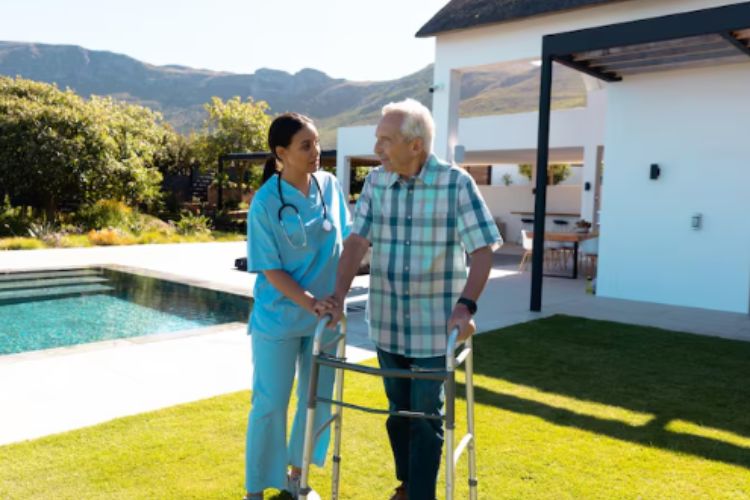
Aging isn’t just about adding years it’s about maintaining quality of life. But as physical strength changes and social circles shrink, many seniors face challenges that affect both body and mind. So, how can they stay active, engaged, and emotionally balanced? That’s where thoughtfully designed senior care facilities in Santa Clara play a surprisingly powerful role.
The Link Between Physical and Mental Health
Here’s something often overlooked: physical and mental health are deeply intertwined. When seniors feel isolated, their physical health can decline. Similarly, limited mobility can lead to frustration or even depression. According to the CDC, social isolation significantly increases the risk of both mental and physical health issues among older adults.
This is why modern elderly care focuses on a holistic approach supporting not just medical needs, but emotional and social well-being too.
How Facilities Promote Physical Health?
1. Daily Movement and Exercise
Let’s be honest staying active can feel like a chore, especially with age. But in senior care environments, physical activity is built into daily routines in a gentle, encouraging way.
- Light fitness sessions like stretching or chair exercises
- Guided walking programs for improved mobility
- Balance training to reduce fall risks
Even small movements, done consistently, can improve strength and flexibility over time.
2. Nutrition That Supports Aging Bodies
Food isn’t just fuel it’s therapy in many ways. Balanced meals rich in nutrients help maintain energy levels, boost immunity, and support overall health. Many facilities design meal plans tailored to individual needs, which is particularly important for managing chronic conditions.
3. Preventive Healthcare and Monitoring
Regular health monitoring ensures that issues are caught early, before they escalate. This proactive approach often reduces hospital visits and keeps seniors more independent for longer.
Supporting Mental and Emotional Well-Being
Now, let’s talk about something just as critical mental health. It’s not always visible, but its impact is profound.
1. Social Interaction and Community Living
Humans are wired for connection. In fact, studies from the National Institute on Aging suggest that regular social interaction can slow cognitive decline.
- Group activities like games, art, or music sessions
- Shared dining experiences that encourage conversation
- Community events that create a sense of belonging
It’s often these small interactions a laugh over lunch or a shared story that make a big difference.
2. Cognitive Stimulation Programs
Keeping the brain active is just as important as exercising the body. Activities like puzzles, reading groups, and memory exercises help maintain cognitive function and keep the mind engaged.
3. Emotional Support and Companionship
Sometimes, what seniors need most is someone who listens. Caregivers often become trusted companions, offering emotional reassurance and building meaningful connections.
A Balanced Approach to Senior Care
Facilities offering quality senior care in Santa Clara understand that true wellness comes from balance. It’s not about focusing on one aspect it’s about integrating physical care, mental stimulation, and emotional support.
- Personalized care plans tailored to individual lifestyles
- Integrated wellness programs combining fitness and social engagement
- Safe, structured environments that promote independence
This approach doesn’t just improve health it enhances overall quality of life.
Why This Matters More Than Ever?
As families juggle busy schedules, ensuring proper care for aging loved ones can be challenging. Senior care facilities step in not to replace family, but to support it providing professional care while maintaining dignity and independence for seniors.
And often, the results speak for themselves: improved mood, better mobility, and a renewed sense of purpose.
FAQs
1. How do senior care facilities support mental health?
They offer social activities, cognitive programs, and emotional support, helping reduce loneliness and improve overall well-being.
2. What kind of physical activities are available?
Most facilities provide low-impact exercises, walking programs, and balance training tailored to seniors’ abilities.
3. Are meals customized for seniors?
Yes, meal plans are often tailored to meet nutritional needs and manage specific health conditions.
4. Do these facilities help maintain independence?
Absolutely. They provide support while encouraging seniors to stay active and independent as much as possible.
Final Thoughts
Senior care today is about much more than assistance it’s about creating a life that feels meaningful, active, and connected. By supporting both mental and physical health, these facilities offer seniors a chance to truly thrive, not just live. And in the end, that’s what quality care should always be about.