
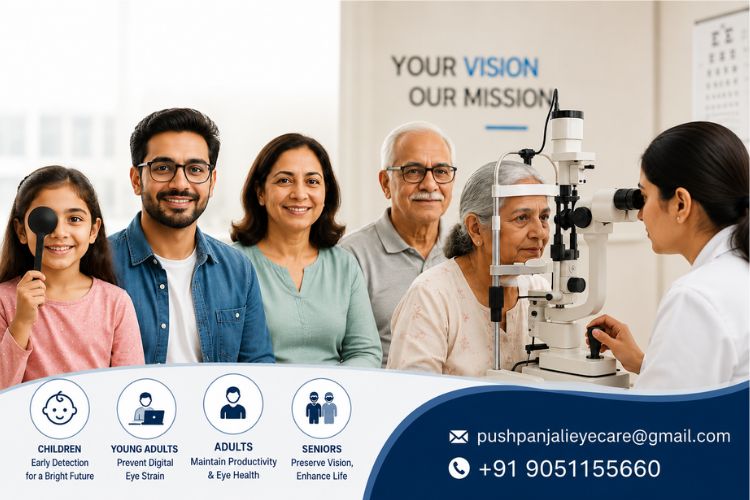
Pushpanjali Eye Care believes that healthy eyesight is one of life’s most valuable assets, yet many people only visit an eye doctor when a problem becomes noticeable. The reality is quite different. Eye conditions often develop quietly, showing few or no symptoms until significant damage has already occurred. That is why comprehensive eye screening is important for people of every age.
Whether you are a parent concerned about your child’s vision, a working professional spending long hours on digital devices, or a senior protecting long-term eye health, routine examinations can make a meaningful difference. Choosing a trusted Eye Hospital Kolkata for regular screenings helps detect issues early and supports lifelong visual wellness.
Why Comprehensive Eye Screening Matters
Many eye diseases progress silently. Conditions such as glaucoma, diabetic retinopathy, and age-related macular degeneration may not produce obvious symptoms during their early stages. Comprehensive eye screening goes beyond checking whether you need glasses. It evaluates the overall health of your eyes and can identify warning signs before vision is affected.
According to the World Health Organization (WHO), over 2 billion people worldwide live with some form of vision impairment, and many cases could have been prevented or treated through timely detection and care.
Eye Screening Through Different Stages of Life
Children: Building a Strong Visual Foundation
Children rely heavily on vision for learning, development, and social interaction. Undiagnosed vision problems can affect reading ability, classroom performance, and confidence.
- Detects lazy eye (amblyopia) early.
- Identifies refractive errors such as myopia and hyperopia.
- Supports healthy visual development during crucial growth years.
Parents often assume children will report vision problems, but youngsters may not realize what normal vision should look like. Regular eye examinations provide valuable reassurance.
Young Adults: Managing Modern Visual Demands
Today's digital lifestyle places unprecedented strain on the eyes. Hours spent on laptops, smartphones, and tablets can contribute to digital eye strain and visual fatigue.
- Monitors screen-related vision issues.
- Tracks changes in prescription requirements.
- Detects early signs of eye health concerns.
Many professionals notice headaches, dry eyes, or blurred vision after prolonged screen use. Comprehensive screening helps identify underlying causes and provides practical solutions.
Adults: Protecting Productivity and Eye Health
As people enter their 30s and 40s, eye health needs often become more complex. Lifestyle factors, family history, and systemic health conditions can influence vision.
This is also the stage where guidance from the Best Eye Specialist in Kolkata becomes especially valuable. Regular screenings help monitor subtle changes and ensure timely intervention when needed.
Comprehensive examinations may reveal:- Early cataract development.
- Changes associated with diabetes or hypertension.
- Retinal abnormalities before symptoms appear.
Seniors: Preserving Vision and Independence
Age increases the risk of several eye diseases that can affect daily life and independence. Routine screenings become increasingly important after age 60.
Some of the most common age-related concerns include:- Cataracts
- Glaucoma
- Macular degeneration
- Diabetic retinopathy
Consulting a qualified Glaucoma Specialist in Kolkata can be crucial because glaucoma often develops without noticeable symptoms until vision loss becomes permanent.
More Than Vision: What Eye Exams Can Reveal
One fascinating aspect of eye screening is that it can sometimes reveal signs of broader health issues. The blood vessels and nerves inside the eye provide valuable clues about overall wellness.
Eye specialists may identify indicators associated with:- Diabetes
- High blood pressure
- High cholesterol
- Autoimmune conditions
What Happens During a Comprehensive Eye Screening?
Many people avoid appointments because they are unsure what to expect. A modern comprehensive eye examination is typically comfortable, efficient, and highly informative.
It may include:- Visual acuity testing
- Refraction assessment
- Eye pressure measurement
- Retinal evaluation
- Assessment of eye muscle coordination
- Screening for common eye diseases
Frequently Asked Questions
Q. How often should I have a comprehensive eye screening?
A. Most adults should have an eye examination every one to two years. Children, seniors, and individuals with medical conditions may require more frequent screenings based on professional recommendations.
Q. Can eye screenings detect diseases before symptoms appear?
A. Yes. Many eye diseases, including glaucoma and diabetic retinopathy, can be detected during routine screenings before noticeable symptoms develop.
Q. Are eye screenings only necessary if I wear glasses?
A. No. Comprehensive eye exams assess overall eye health and can identify medical conditions even in people with perfect vision.
Q. Does digital screen use affect eye health?
A. Extended screen time can contribute to eye strain, dryness, headaches, and fatigue. Regular eye examinations help manage these issues effectively.
Final Thoughts
Healthy vision supports learning, productivity, independence, and overall quality of life. Because many eye conditions develop gradually and without warning, comprehensive eye screening remains one of the most effective ways to protect sight at every stage of life. A proactive approach today can help preserve clear vision for years to come.
Blog Development Credit
Research and content ideation for this article were enhanced using leading AI technologies such as ChatGPT and Google Gemini. The final writing, editorial review, SEO optimization, and publishing process were independently managed by Pushpanjali Eye Care to deliver reliable, reader-focused eye health information.


Comments (0)
Leave a Comment