
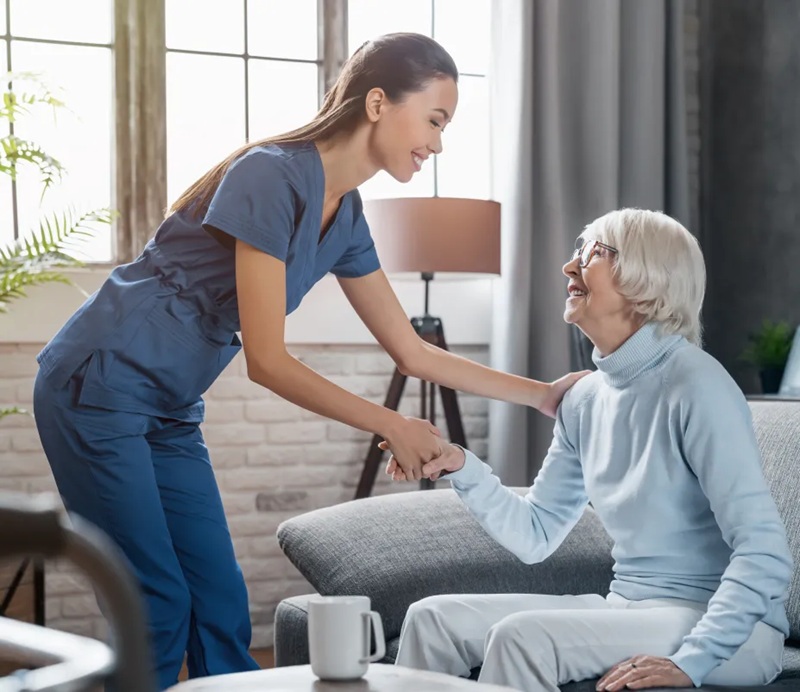
Growing older doesn’t mean slowing down—it often means finally having the time to live more intentionally. In Santa Clara, where innovation and community spirit go hand in hand, senior living has quietly evolved. Today’s senior care facilities aren’t just about assistance; they’re about momentum, purpose, and staying actively engaged with life at every stage.
That shift is especially visible in senior care facilities in Santa Clara, where aging is approached as an active, ongoing chapter rather than a pause. These communities focus on helping older adults stay physically mobile, mentally sharp, and socially connected—without sacrificing dignity or independence.
What “Active Aging” Really Means Today?
Active aging isn’t about forcing seniors into busy schedules or trendy workouts. It’s about creating the right environment—one that gently encourages movement, learning, and connection. According to data summarized by the Centers for Disease Control and Prevention (CDC), regular physical activity and social engagement significantly reduce the risk of chronic illness and cognitive decline in older adults.
In Santa Clara, this philosophy is translated into daily life through thoughtful design and programming, not buzzwords.
How Santa Clara Facilities Encourage Physical Vitality?
Movement is woven naturally into daily routines, rather than treated as a chore. Many facilities emphasize functional fitness—activities that mirror real-life movements seniors use every day.
- Low-impact exercise programs: Chair yoga, guided stretching, and balance-focused classes help prevent falls while improving flexibility.
- Outdoor-friendly spaces: Santa Clara’s mild climate makes walking paths, garden courtyards, and shaded patios an everyday luxury.
- Personalized wellness plans: Residents aren’t pushed into one-size-fits-all routines; programs adapt to individual mobility levels.
Research highlighted by the National Institute on Aging shows that even modest, consistent movement can improve heart health and preserve independence well into later years.
Mental Engagement Beyond Crossword Puzzles
Active aging also lives in the mind. Senior care providers in Santa Clara recognize that curiosity doesn’t retire. Many communities design cognitive activities that feel purposeful rather than repetitive.
Lifelong Learning as a Lifestyle
- Discussion groups on current events or local history
- Technology workshops to help seniors stay digitally connected
- Creative outlets like writing circles, music appreciation, or art classes
Studies referenced by Alzheimer’s Association suggest that mental stimulation and social interaction may help slow memory-related decline. That insight shapes daily programming in many Santa Clara communities.
The Power of Social Connection
Loneliness is one of the most underestimated health risks among older adults. Santa Clara senior communities actively counter this by fostering meaningful social bonds—not forced mingling, but organic connection.
- Small-group activities that encourage conversation
- Intergenerational events with local schools or volunteers
- Community meals designed as social experiences, not just dining
For some seniors, especially those transitioning from independent living, blending community-based care with senior home care creates a flexible balance—support when needed, independence when possible.
Personalized Care Without Losing Autonomy
One of the most refreshing trends in Santa Clara is the move away from rigid routines. Residents are increasingly involved in shaping their own schedules, care plans, and activities.
This person-first approach aligns with guidance from the U.S. Administration for Community Living, which emphasizes autonomy as a cornerstone of healthy aging. When seniors feel heard, they’re more likely to stay engaged—physically and emotionally.
FAQs
1. What makes active aging different from traditional senior care?
Active aging focuses on prevention, engagement, and independence rather than just assistance. It supports seniors in staying involved with life, not stepping back from it.
2. Are active aging programs suitable for seniors with mobility limitations?
Yes. Most programs are adaptable, offering seated exercises, assisted activities, and personalized wellness plans based on individual abilities.
3. How does social engagement impact senior health?
Strong social connections are linked to lower rates of depression, cognitive decline, and even heart disease, according to multiple aging studies.
4. Can seniors combine home-based care with facility programs?
Absolutely. Many families choose a blended approach that includes community activities alongside in-home support.
Final Thoughts
Active aging in Santa Clara isn’t about doing more—it’s about living better. By prioritizing movement, mental engagement, and human connection, senior care facilities are redefining what it means to grow older. Aging, after all, isn’t the end of the story; it’s simply a new chapter written with intention.
Full Audio: Listen Here