Fire safety equipment often fades into the background until the one moment it’s desperately needed. That’s especially true for fire cabinets. They look sturdy, dependable, and quietly reassuring on the wall. But here’s the honest truth: without regular maintenance and inspection, even the best cabinet can fail when it matters most. Let’s talk about how to keep them reliable for the long haul.
Why Fire Cabinet Maintenance Isn’t Optional?
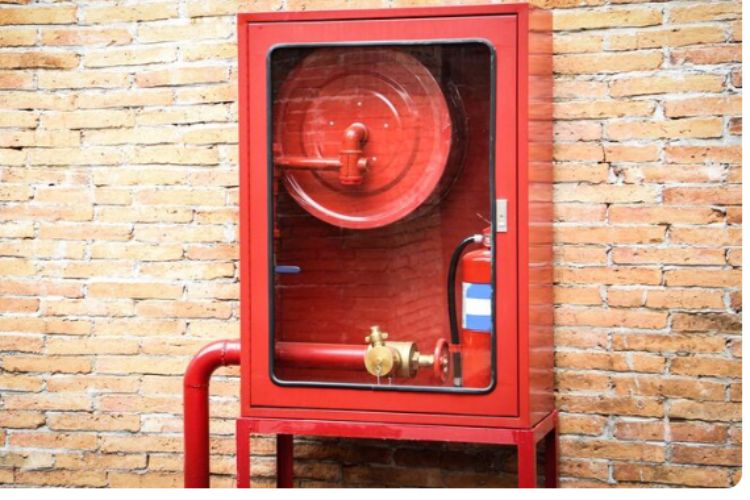
A Fire Cabinet is designed to protect firefighting equipment and flammable materials from damage, dust, corrosion, and tampering. Over time, however, hinges loosen, seals degrade, and visibility can suffer. According to fire safety guidance referenced by organizations like the National Fire Protection Association (NFPA), poorly maintained fire protection equipment is a common contributor to delayed emergency response.
Think of a fire cabinet like a seatbelt—it doesn’t get daily attention, but it must work flawlessly when called upon.
What a Proper Fire Cabinet Inspection Looks Like?
Inspection doesn’t need to be complicated, but it does need to be consistent. Most safety professionals recommend visual checks monthly and more detailed inspections at least once a year.
Key Areas to Check During Routine Inspections
- Door operation: Doors should open smoothly without sticking or sagging.
- Locks and latches: These must secure properly while remaining easy to access.
- Glass panels: Ensure visibility is clear and glass is crack-free.
- Seals and gaskets: Look for brittleness, gaps, or wear.
- Signage and labeling: Labels should be legible and compliant.
The Occupational Safety and Health Administration (OSHA) emphasizes that safety equipment must remain unobstructed and fully functional to meet workplace compliance standards.
Cleaning and Preventive Care: Small Efforts, Big Impact
Dust, grease, and chemical residue may seem harmless, but over time they degrade materials and visibility. A simple wipe-down using non-corrosive cleaners can extend cabinet life significantly.
- Clean interior and exterior surfaces quarterly.
- Lubricate hinges lightly avoid over-greasing.
- Check mounting bolts and wall anchors for looseness.
This is especially important in industrial environments where cabinets protect items inside a flammable storage cabinet. Exposure to vapors or harsh conditions accelerates wear faster than many teams expect.
Material Matters More Than You Think
Not all fire cabinets age the same way. Environmental exposure, humidity, and usage patterns can dramatically affect performance depending on the cabinet’s construction.
If you’re evaluating longevity or planning replacements, this guide Fiberglass or Steel: What to Pick for Fire Safety offers practical insight into how different materials behave over time and under stress.
Documentation and Accountability
One often-overlooked step is recordkeeping. Inspection logs help identify recurring issues and demonstrate compliance during audits or safety reviews.
- Date and inspector name
- Observed issues
- Corrective actions taken
- Next scheduled inspection
This habit not only protects your facility legally—it sharpens your overall safety culture.
FAQ: Fire Cabinet Maintenance
1. How often should fire cabinets be inspected?
Visual inspections are recommended monthly, with detailed inspections annually or as required by local fire codes.
2. Who is responsible for maintaining fire cabinets?
Facility managers or designated safety officers typically oversee inspections, sometimes with third-party safety auditors.
3. Can damaged fire cabinet parts be replaced?
Yes. Hinges, glass panels, locks, and labels are often replaceable, depending on the manufacturer.
4. Do fire cabinets expire?
There’s no fixed expiration date, but cabinets showing structural damage or corrosion should be replaced promptly.
Final Thoughts
Maintaining and inspecting fire cabinets isn’t about ticking boxes it’s about ensuring calm, quick action during chaos. With simple routines, thoughtful material choices, and proper documentation, your fire cabinets can remain dependable guardians for years to come.