
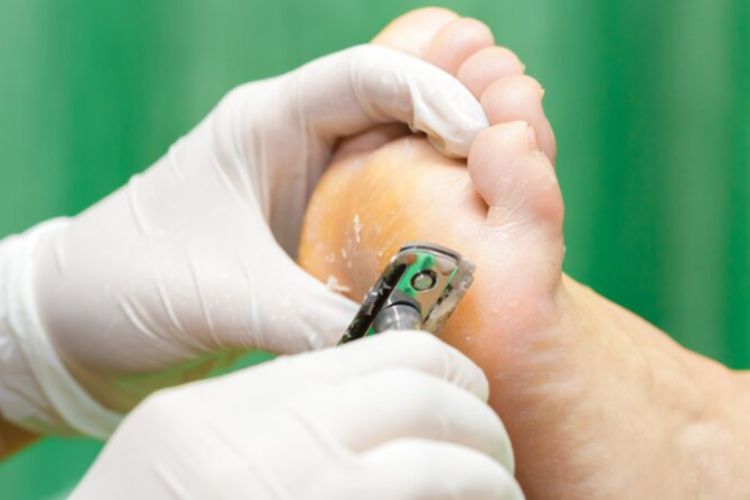
Foot pain can sneak up on you in the most inconvenient ways, often leaving you wondering whether that small bump on your heel is harmless or something that needs attention. Understanding the difference between a common heel corn and a plantar wart is crucial. Effective heel corn treatment starts with accurate diagnosis, ensuring you address the problem correctly without unnecessary discomfort.
What Is a Heel Corn?
A heel corn is a thickened area of skin that develops due to repeated friction or pressure, often from poorly fitting shoes or abnormal gait. It usually appears as a hard, circular patch, often yellowish, on the heel or other pressure points of the foot. Though typically painless at first, pressure buildup can make walking uncomfortable.
Common Characteristics of Heel Corns:
- Localized thickened skin with a hard core
- Often found on heels, toes, or ball of the foot
- Pain develops when pressure is applied
- Caused by friction, repetitive pressure, or tight footwear
According to dermatological sources, proper footwear and regular pressure management are key preventive measures (aad.org).
What Is a Plantar Wart?
Plantar warts, on the other hand, are caused by the human papillomavirus (HPV). Unlike corns, warts are infectious and can spread to other parts of the foot or to other people. They typically have a rough, grainy texture and may present black pinpoints, which are small clotted blood vessels.
Key Features of Plantar Warts:
- Caused by viral infection (HPV)
- Often painful when squeezed from the sides
- Rough, grainy surface with tiny black dots
- Can appear anywhere on the sole, especially weight-bearing areas
HPV thrives in warm, moist environments, making public showers or swimming pools common places for transmission (cdc.gov).
Treatment Approaches: Corns vs. Warts
Effective treatment depends on accurate identification. Heel corn treatment usually involves relieving pressure, softening the thickened skin, and in some cases, professional trimming by a podiatrist. Over-the-counter pads, cushioned insoles, and proper footwear are also beneficial.
For plantar warts, treatments focus on eliminating the virus. Options include topical salicylic acid, cryotherapy (freezing), laser therapy, or minor surgical removal by a trained professional. Unlike corns, warts may require repeated treatments to prevent recurrence.
Comparing Treatment Approaches:
- Heel Corns: Pressure relief, softening, trimming, cushioned footwear.
- Plantar Warts: Antiviral topical agents, cryotherapy, laser removal, hygiene measures.
- Prevention: Proper footwear, regular foot inspections, avoiding shared wet surfaces.
Understanding Risk Factors
Heel corns often develop in those with structural foot issues, long hours standing, or ill-fitting shoes. Plantar warts, however, can affect anyone but are more common in children, immunocompromised individuals, and those frequently exposed to communal wet areas.
Learning about foot corn causes and treatment helps patients take proactive steps to prevent recurrence. Addressing lifestyle factors, choosing proper footwear, and maintaining foot hygiene can significantly reduce both corns and warts.
When to Seek Professional Help?
While minor corns and warts can sometimes be managed at home, persistent pain, rapid growth, bleeding, or signs of infection warrant immediate consultation with a podiatrist. Early intervention not only reduces discomfort but also prevents complications, especially for diabetic or immunocompromised patients.
For further insights, refer to The Importance of Knowing When Corns and Calluses Need Specialized Podiatric Care, which highlights signs that require specialized medical attention.
Frequently Asked Questions (FAQs)
1. Can heel corns turn into warts?
No, heel corns are caused by friction, not viruses, so they cannot turn into warts. However, misdiagnosis is possible.
2. How long does plantar wart treatment take?
Depending on the method, warts may require multiple treatments over weeks to months for complete resolution.
3. Are over-the-counter pads effective for heel corns?
They can provide temporary relief, but professional trimming and pressure correction often yield better long-term results.
4. Should diabetics treat corns at home?
Diabetic patients should always consult a podiatrist, as home treatment can increase the risk of infection and complications.
Final Thoughts
Distinguishing between heel corns and plantar warts is essential for effective treatment. While corns respond to pressure relief and skin care, warts require antiviral or procedural interventions. Understanding the cause, seeking timely professional care, and adopting preventive measures ensures healthy, pain-free feet and minimizes recurrence.