
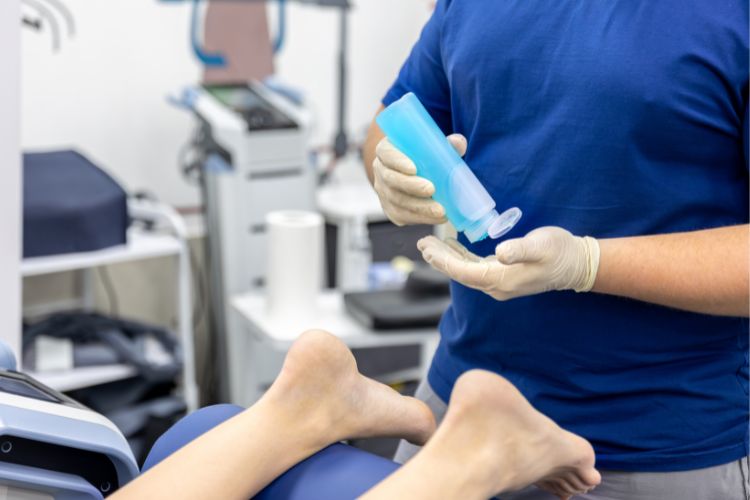
Heel pain has a sneaky way of creeping into your daily life first a slight discomfort in the morning, then a sharp reminder with every step. If you’ve ever wondered whether it’s just temporary or something more serious, you’re not alone. Many people eventually search for a reliable foot care clinic near me when the pain refuses to fade.
The good news? Heel pain is highly treatable when addressed early and correctly. From plantar fasciitis to heel spurs, modern clinics offer targeted solutions that go far beyond basic rest and home remedies.
Understanding the Root Cause of Heel Pain
Before diving into treatments, it helps to understand why your heel hurts in the first place. Heel pain isn’t a one-size-fits-all problem it can stem from different conditions, each requiring a slightly different approach.
- Plantar fasciitis: The most common cause, involving inflammation of the tissue connecting heel to toes.
- Heel spurs: Calcium deposits that create bony protrusions under the heel bone.
- Tendonitis: Often linked to overuse, especially in runners or active individuals.
- Stress injuries: Tiny cracks in the bone caused by repetitive strain.
According to the National Center for Biotechnology Information (NCBI), plantar fasciitis alone accounts for nearly 10% of running-related injuries, showing just how common and manageable this issue is when treated properly.
Effective Heel Pain Treatments at a Clinic
1. Custom Orthotics and Footwear Advice
One of the first things a clinic will address is how your feet interact with the ground. Custom orthotics are designed to support your arch, distribute pressure evenly, and reduce strain on the heel. Think of them as personalized shock absorbers for your feet.
2. Advanced Physical Therapy
Stretching exercises and guided therapy sessions are often underestimated. But targeted physiotherapy can significantly reduce inflammation and improve flexibility. Clinics often combine manual therapy with modern techniques like ultrasound therapy for faster recovery.
3. Minimally Invasive Treatments
When pain persists, clinics may recommend advanced options such as:
- Shockwave therapy to stimulate healing
- Laser therapy for reducing inflammation
- Injection-based treatments for severe cases
These methods are typically non-surgical and designed to speed up recovery without long downtime.
When Should You See a Specialist?
It’s tempting to ignore heel pain, hoping it will go away on its own. But persistent discomfort is often your body’s way of asking for help. Consulting a foot specialist doctor ensures you get a precise diagnosis and a treatment plan tailored to your lifestyle.
If you notice any of the following, it’s time to act:
- Pain lasting more than two weeks
- Difficulty walking or standing for long periods
- Sharp pain during the first steps in the morning
- Swelling or redness around the heel
You can also explore early warning signs in this helpful guide: Foot and Ankle Pain: The Alarming Signs You Should Never Ignore.
Simple Lifestyle Changes That Support Recovery
Clinical treatment works best when paired with smart daily habits. Small adjustments can make a surprisingly big difference.
- Wear supportive shoes: Avoid flat or worn-out footwear.
- Maintain a healthy weight: Less pressure on your heels speeds healing.
- Stretch regularly: Especially before and after physical activity.
- Limit high-impact activities: Give your feet time to recover.
In fact, the American Physical Therapy Association highlights that consistent stretching and strengthening exercises can significantly reduce recurring heel pain episodes.
Why Early Treatment Makes All the Difference?
Here’s the thing heel pain rarely resolves completely without intervention if it becomes chronic. Early diagnosis not only shortens recovery time but also prevents complications that could affect your mobility long-term.
A professional clinic doesn’t just treat symptoms; it identifies the underlying issue and corrects it. That’s a crucial distinction many people overlook until the pain becomes disruptive.
FAQs
1. What is the most common cause of heel pain?
Plantar fasciitis is the leading cause, often due to strain on the ligament connecting the heel to the toes.
2. How long does heel pain take to heal?
With proper treatment, mild cases improve within a few weeks, while chronic conditions may take a few months.
3. Are home remedies enough for heel pain?
Home remedies can help initially, but persistent pain usually requires professional evaluation and targeted treatment.
4. Is surgery necessary for heel pain?
Surgery is rarely needed. Most cases respond well to non-invasive treatments offered at specialized clinics.
Final Thoughts
Heel pain might start as a minor annoyance, but it can quickly interfere with your daily routine if ignored. The right combination of clinical care, expert guidance, and lifestyle changes can bring lasting relief. Instead of waiting for the pain to worsen, taking timely action can help you get back on your foot comfortably and confidently.