
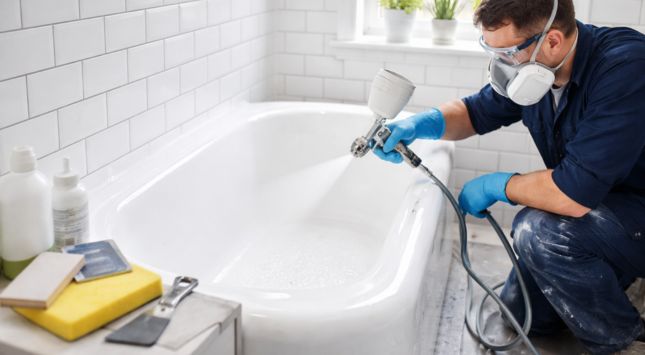
That chipped, stained bathtub you’ve learned to ignore wasn’t always like that. Years of daily use, harsh cleaners, and hard water slowly wear down even the toughest surfaces. Many homeowners assume replacement is the only option—but that’s rarely true. A professional restoration can bring an old tub back to life, often in a single day, without the mess or cost of renovation.
This is exactly where a trusted Bathtub Repair Company steps in. These specialists don’t just “patch things up.” They follow a precise, multi-stage process designed to restore both function and appearance—making old tubs look surprisingly close to new.
Why Bathtubs Age Faster Than You Expect
Bathtubs deal with a unique mix of abuse. Hot water expands surfaces, cold water contracts them, and soaps leave behind residue that slowly eats away at protective coatings. Add mineral-heavy water and constant moisture, and it’s no surprise tubs start showing wear long before other bathroom fixtures.
According to housing maintenance data summarized by the U.S. Department of Housing and Urban Development (hud.gov), moisture-related surface degradation is one of the most common causes of premature fixture aging in residential bathrooms. Over time, small chips turn into cracks, and stains sink deep into porous surfaces.
Also Read: A Guide You Can’t Miss on the Components of the Supply Pump
The Step-by-Step Restoration Process
What separates professional bathtub restoration from DIY fixes is consistency and chemistry. Each step builds on the last, creating a finish that’s designed to last—not just look good for a few weeks.
1. Deep Cleaning and Surface Prep
Restoration starts with stripping away years of buildup. Industrial cleaners remove soap scum, oils, and mineral deposits. Any silicone or old caulking is carefully removed so repairs bond properly.
2. Repairing Chips, Cracks, and Weak Spots
This is where skill really matters. Technicians fill chips and cracks with specialized compounds, then sand them flush with the tub surface. The goal isn’t just to hide damage, but to reinforce weak areas so they don’t reopen later.
- Hairline cracks are sealed and reinforced
- Surface chips are leveled for a smooth finish
- Drain and overflow areas are carefully stabilized
3. Refinishing and Reglazing
Once repairs are complete, the tub is coated with a high-performance glaze. This isn’t paint—it’s a durable, moisture-resistant finish designed specifically for bathroom environments. When cured, it creates a glossy, non-porous surface that resists staining and makes cleaning easier.
Why Professionals Outperform DIY Kits
DIY refinishing kits can look tempting, but they often fail within months. Professional-grade coatings require precise mixing, controlled ventilation, and proper curing times. Without those conditions, finishes peel or discolor quickly.
Experienced technicians also understand how bathroom systems connect. During restoration, they may notice related issues—like a slow drain or inconsistent hot water—where it’s smart to Fix Water Heater problems before they worsen.
Cost, Time, and Long-Term Value
Replacing a bathtub often means removing tiles, adjusting plumbing, and dealing with days of disruption. Restoration, on the other hand, is usually completed within hours and costs a fraction of replacement.
Consumer home-improvement research shared by ConsumerReports.com consistently shows refinishing as one of the highest return-on-investment bathroom upgrades—especially for rental properties and resale preparation.
How Restoration Fits Into Complete Bathroom Care
A restored bathtub often becomes the starting point for broader improvements. Once the tub looks new again, other worn elements stand out. That’s why many homeowners combine tub restoration with inspections from the Best Plumbing Services in Dubai to ensure pipes, fixtures, and seals are in equally good shape.
- Improved bathroom aesthetics without renovation
- Reduced risk of hidden water damage
- Extended lifespan of existing fixtures
FAQs
How long does bathtub restoration last?
With proper care, a professionally restored bathtub can last 7–10 years or more. Avoid abrasive cleaners to extend its lifespan.
Can heavily damaged tubs still be restored?
Most tubs can be restored unless there’s severe structural damage. A professional assessment determines whether repair or replacement is the better option.
Is bathtub restoration safe for daily use?
Yes. Once fully cured, the coatings are safe, non-toxic, and designed for regular bathing.
How soon can the tub be used after restoration?
Typically within 24 hours, depending on humidity and curing conditions.
Final Thoughts
A worn bathtub doesn’t mean your bathroom is past saving. With the right expertise, modern restoration techniques can reverse years of damage quickly and cost-effectively. It’s not just about making something old look new—it’s about preserving value, comfort, and peace of mind.
Also Read: When Your Water Pump Can’t Wait
Blog Development Credits
This blog was a team effort fueled by smart ideas. Ghumman Star Technical Services picked the topic. Most content was crafted using tools like ChatGPT and Google Gemini.