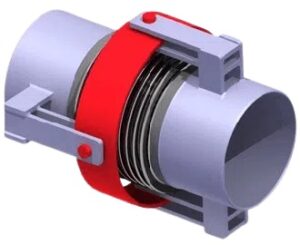
Metal expansion joints are critical components in various industrial applications, designed to absorb thermal expansion and contraction in piping systems. However, these joints can fail due to several factors, leading to costly downtime and repairs. Understanding the typical causes of failure and implementing preventive measures can significantly enhance their lifespan and reliability.
Common Causes of Metal Expansion Joint Failure
Identifying the reasons behind metal expansion joint failures is essential for effective maintenance and prevention. Here are some of the most common causes:
- Improper Installation: A significant percentage of failures, approximately 30%, can be traced back to incorrect installation and alignment. This can lead to undue stress on the joints.
- Material Fatigue: Over time, repeated thermal cycles can cause fatigue in the metal, leading to cracks and eventual failure.
- Corrosion: Exposure to harsh environments can lead to corrosion, weakening the metal and compromising its structural integrity.
- Overloading: Exceeding the designed load capacity can cause deformation and failure of the expansion joints.
- Inadequate Maintenance: Lack of regular inspections and maintenance can result in unnoticed wear and tear, leading to sudden failures.
Preventing Metal Expansion Joint Failure
To mitigate the risks associated with metal expansion joints, consider the following preventive measures:
- Proper Installation: Ensure that installation is performed by trained professionals who follow manufacturer guidelines to avoid misalignment.
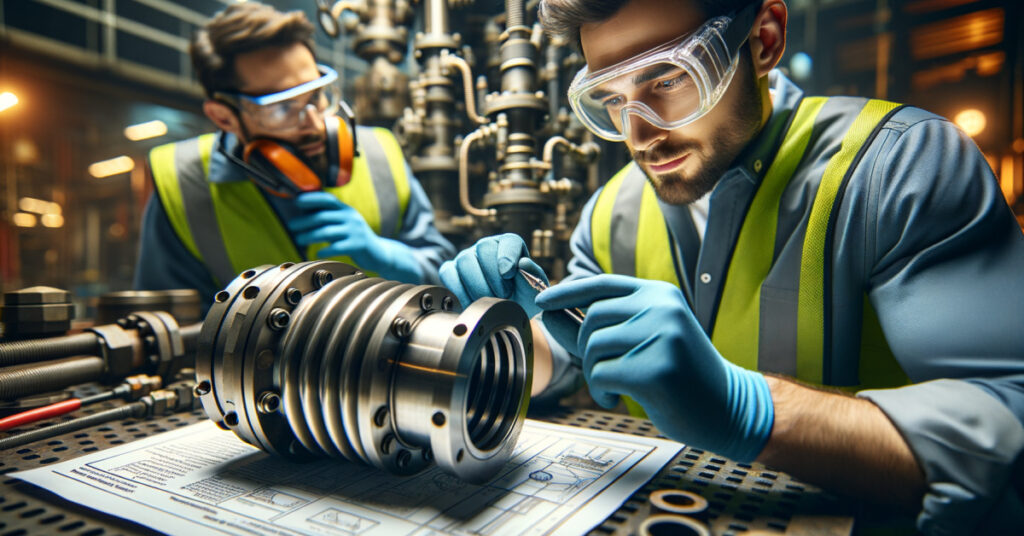
- Regular Inspections: Implement a routine maintenance schedule to check for signs of wear, corrosion, or misalignment.
- Use of Advanced Materials: Consider using high-performance alloys that offer better resistance to fatigue and corrosion.
- Predictive Maintenance: Utilize IoT and AI technologies for real-time monitoring, allowing for early detection of potential issues.
- Design Considerations: Engage in thorough design analysis to ensure that the joints can handle the expected thermal and mechanical stresses.
Real-World Example: Predictive Maintenance in Action
Companies that have adopted predictive maintenance technologies have reported a 25% reduction in equipment failure rates, including metal bellows expansion joints. For instance, using tools like ChatGPT and Google Gemini, businesses can analyze operational data to predict when maintenance is required, thus preventing unexpected failures.
Signs of Metal Expansion Joint Failure
Being aware of the signs of failure can help in taking timely action. Look out for:
- Visible cracks or deformation in the joints.
- Unusual noises during operation.
- Leaks in the piping system.
- Increased vibration levels.
FAQ
1. What are the most common issues with metal expansion joints?
Common issues include improper installation, material fatigue, corrosion, overloading, and inadequate maintenance. Each of these factors can significantly impact the performance and lifespan of the joints.
2. How can I improve the lifespan of metal expansion joints?
Improving lifespan can be achieved through proper installation, regular maintenance, using advanced materials, and implementing predictive maintenance technologies to monitor their condition.
3. What maintenance is required for metal expansion joints?
Regular inspections for signs of wear, corrosion, and misalignment are essential. Additionally, ensuring that the joints are properly lubricated and free from debris can help maintain their functionality.
4. What are the design considerations for metal expansion joints?
Design considerations should include the expected thermal and mechanical stresses, the materials used, and the environmental conditions the joints will face. Proper design can prevent many common failure modes.
5. How does predictive maintenance help prevent failures?
Predictive maintenance uses real-time data and analytics to identify potential issues before they lead to failures. This proactive approach allows for timely interventions, reducing downtime and repair costs.
Conclusion
Understanding the causes of metal expansion joint failures and implementing preventive strategies are crucial for maintaining the integrity of industrial systems. By focusing on proper installation, regular maintenance, and leveraging advanced technologies, businesses can significantly reduce the risk of failure and enhance the longevity of these vital components.
Blog Development Credits
This blog was developed with insights from AI tools like ChatGPT and Google Gemini, and optimized by Flexpert Bellows.