Walk into any thoughtfully designed home today and you’ll likely find one material tying the whole space together—ceramic tiles. From chic apartments to high-traffic commercial properties, tiles have quietly become the backbone of modern interiors. For business owners and homeowners alike, the real question is not if ceramic tiles work, but why they fit so perfectly into contemporary living.
At Perolini Luxe Tiles, the focus is on offering surfaces that combine visual appeal with business practicality. Whether you manage properties or invest in interiors for resale, choosing Ceramic Tiles is no longer just a design decision—it’s a strategic one.
Built for the Real World, Not Just Showrooms
Modern homes are not museums. Kitchens get messy, hallways take a beating, and living rooms see everything from coffee spills to toddler chaos. Ceramic tiles are fired at extremely high temperatures, giving them a hard surface that resists scratches, stains, and fading.
- Long-term durability: Ceramic tiles hold their color and finish even after years of foot traffic.
- Moisture resistance: Ideal for kitchens, bathrooms, and utility areas.
- Temperature stability: Tiles stay cool in hot climates and pair well with underfloor heating in colder ones.
For B2B buyers managing rental properties or commercial spaces, this durability means fewer replacements and lower lifecycle costs.
Aesthetic Freedom Without Structural Risk
One of the underrated advantages of ceramic tiles is their design range. You can mimic marble without the weight, achieve wood visuals without warping, and create bold geometric patterns without structural compromises.
Designers often treat ceramic tiles as visual tools rather than structural burdens. Unlike natural stone, ceramic does not demand reinforcement or special subfloors. That opens creative doors without increasing project risk.
Popular Modern Looks Using Ceramic Tiles
- Concrete-effect tiles for minimalist interiors
- Wood-look planks for warm, modern spaces
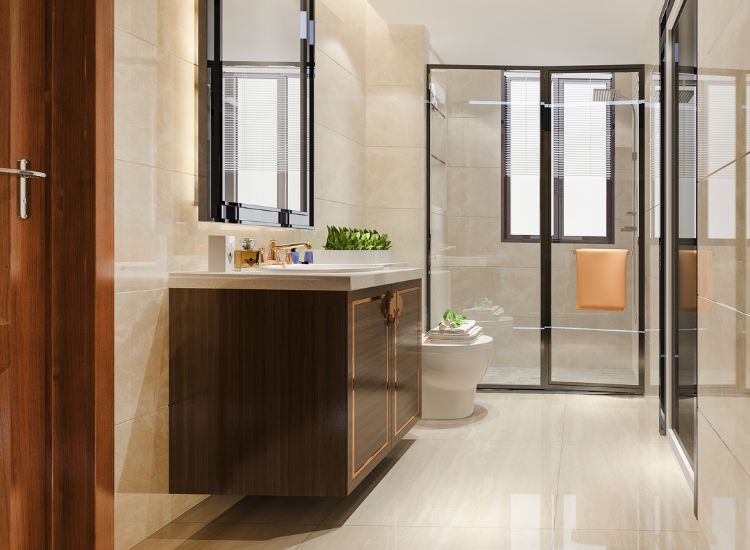
- Glossy finishes for light-reflective luxury
Midway through a renovation or commercial build-out, this flexibility becomes a problem-solver rather than a constraint—especially when using Ceramic Wall Tiles to visually expand compact rooms.
Health, Hygiene, and Environmental Sense
Unlike carpets or untreated wood, ceramic tiles do not trap allergens, dust mites, or odors. That makes them suitable for households with pets and for commercial spaces where hygiene matters.
According to the U.S. Environmental Protection Agency, ceramic and porcelain tile surfaces contribute to improved indoor air quality because they emit virtually no volatile organic compounds (VOCs). Source: epa.gov.
From a sustainability perspective, ceramic tiles often contain natural raw materials like clay and sand, and their long lifespan reduces frequent replacement—lowering construction waste over time.
Low Maintenance, High Business Value
If there’s one feature modern buyers love, it’s low maintenance. Ceramic tiles require no sealing, polishing, or special chemical treatments. A mop, mild cleaner, and routine care are enough.
- Operational savings: Fewer maintenance hours and less chemical use.
- Tenant satisfaction: Easy-to-clean surfaces mean fewer complaints.
- Resale appeal: Tile-finished homes photograph better and age slower.
For property developers and commercial owners, this translates into smoother operations and stronger long-term value.
Why Ceramic Tiles Fit Modern Lifestyles
Modern homes are multifunctional. Living rooms double as workspaces. Kitchens become social hubs. Children and pets turn quiet corners into activity zones. Ceramic tiles support this flexibility by being tough without looking tough.
They also align with current design thinking—open layouts, natural light, and minimal visual clutter. Large-format tiles reduce grout lines, making rooms appear larger and cleaner. Neutral tones keep spaces adaptable for future redesigns.
FAQs
Are ceramic tiles suitable for both homes and commercial spaces?
Yes. Ceramic tiles are widely used in residential and light-commercial areas due to their durability, moisture resistance, and design versatility.
Do ceramic tiles crack easily?
When installed properly on a stable surface, ceramic tiles are highly resistant to cracking under normal residential and commercial loads.
Are ceramic tiles environmentally friendly?
Ceramic tiles are made from natural materials and last for decades, reducing replacement frequency and long-term waste.
Is ceramic tile better than vinyl or laminate?
For longevity, hygiene, and heat resistance, ceramic tiles outperform most vinyl and laminate options in modern homes.
Read More >>>Best Places to Buy Quality Ceramic Tiles in Sharjah
Final Thoughts
Ceramic tiles have earned their place in modern architecture not by trend, but by performance. They bridge the gap between beauty and practicality—making them ideal for business owners who think in years, not seasons. In a market where design must justify cost, ceramic tiles quietly prove their worth every day.