When you look up at power lines stretching across cities or farmland, it’s easy to forget the quiet heroes holding everything together. Solid core insulators may seem small compared to towering transmission structures, yet they’re critical to grid reliability. Choosing the best solid core insulators for power lines isn’t just technical—it’s strategic.
If you’re sourcing from a trusted Solid Core Insulators Supplier, you’re already halfway there. But performance depends on far more than availability. Material quality, mechanical strength, weather resistance, and long-term insulation reliability all matter—especially in high-voltage transmission networks.
Also Read: How Insulators Prevent Overheating & Protect Data Center Equipment
Why Solid Core Insulators Matter in Modern Grids
Power transmission lines carry enormous voltages across long distances. According to the U.S. Department of Energy, transmission infrastructure must operate reliably under extreme environmental and electrical stress. Insulators prevent leakage currents, flashovers, and costly outages.
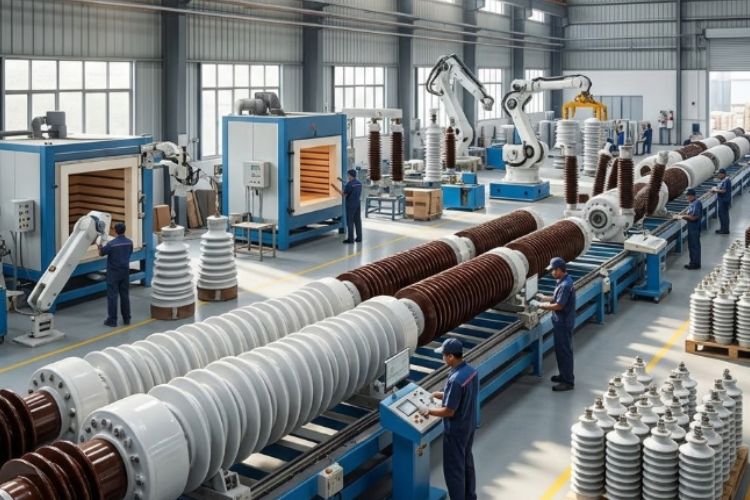
Solid core insulators, often manufactured from high-grade porcelain or advanced ceramic compounds, are widely used in substations and overhead lines. Their compact design and strong mechanical properties make them particularly suited for:
- High mechanical load zones – such as dead-end structures and tension towers.
- Pollution-prone areas – where surface contamination can increase leakage risk.
- High-voltage substations – where dielectric strength is non-negotiable.
In essence, they act as both a structural support and an electrical barrier—a dual role that demands uncompromising quality.
Key Features of the Best Solid Core Insulators
Let’s be honest—not all insulators are created equal. The best solid core insulators for power lines consistently demonstrate these characteristics:
1. Superior Dielectric Strength
High dielectric strength ensures minimal risk of flashover even under surge conditions. This is especially important in regions prone to lightning strikes or switching surges.
2. High Mechanical Strength
Transmission lines experience constant tension, wind pressure, and thermal expansion. A quality insulator must withstand compression and bending forces without cracking.
3. Weather and Pollution Resistance
From coastal salt spray to industrial pollution, environmental exposure can degrade insulation. High-quality glazed porcelain surfaces reduce contamination buildup and improve performance in harsh conditions.
4. Long Service Life
According to data published by IEEE, durable ceramic insulators can perform reliably for decades when properly maintained. That longevity significantly lowers lifecycle costs.
Porcelain vs. Composite: Why Solid Core Still Leads
Composite insulators have gained popularity, but solid core porcelain designs remain a preferred choice in many high-voltage applications. Why? Because porcelain offers:
- Proven long-term reliability in transmission networks
- High resistance to UV radiation and thermal cycling
- Excellent compressive strength under mechanical load
Many Porcelain Bushing Manufacturers have refined firing techniques and glazing technology to enhance density and reduce micro-porosity. The result is a stronger, more resilient product built for modern electrical insulation demands.
Applications in High-Voltage Transmission
In high-voltage transmission systems—often operating above 132 kV—solid core insulators are used in:
- Substation support structures for busbars and disconnectors.
- Railway electrification networks requiring high mechanical rigidity.
- Industrial switchyards where reliability impacts production uptime.
Grid operators increasingly prioritize reliability metrics. The North American Electric Reliability Corporation (NERC) emphasizes infrastructure resilience as a key factor in preventing cascading outages. Insulator quality plays a surprisingly central role in that equation.
How to Choose the Right Solid Core Insulator
Here’s a practical checklist professionals often follow when selecting a power line insulator:
- Voltage Rating Compatibility: Match insulator ratings precisely with system voltage.
- Mechanical Load Assessment: Evaluate tension, wind load, and seismic factors.
- Pollution Class Certification: Ensure suitability for coastal or industrial regions.
- Standards Compliance: Look for adherence to IEC or ANSI specifications.
It’s tempting to prioritize cost. But in grid infrastructure, upfront savings rarely justify long-term risk. A single insulator failure can trigger outages, equipment damage, and expensive repairs.
Frequently Asked Questions
What are solid core insulators made of?
They are typically made from high-density porcelain or advanced ceramic materials designed for superior dielectric strength and mechanical durability.
Are solid core insulators suitable for coastal regions?
Yes. High-quality glazed porcelain designs resist salt contamination and moisture, making them ideal for coastal and industrial environments.
How long do solid core insulators last?
With proper installation and maintenance, they can function reliably for several decades, especially in controlled substation environments.
Do solid core insulators meet international standards?
Reputable manufacturers design products in accordance with IEC and ANSI standards, ensuring performance and safety compliance.
Also Read: Leading ESP Insulator Manufacturers in India
Final Thoughts
Solid core insulators may not attract attention, but they form the backbone of safe and efficient power transmission. When chosen wisely—with attention to mechanical strength, dielectric reliability, and environmental resistance—they deliver decades of dependable service. In the world of high-voltage transmission, that kind of consistency is priceless.
Blog Development Credits
This article was ideated and structured by Reliance Potteries, carefully researched with advanced AI platforms including ChatGPT, Gemini, and Copilot, and refined with professional SEO insights from Reliance Potteries.