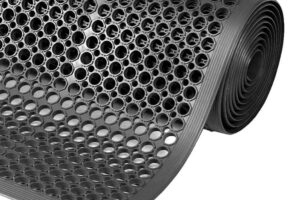
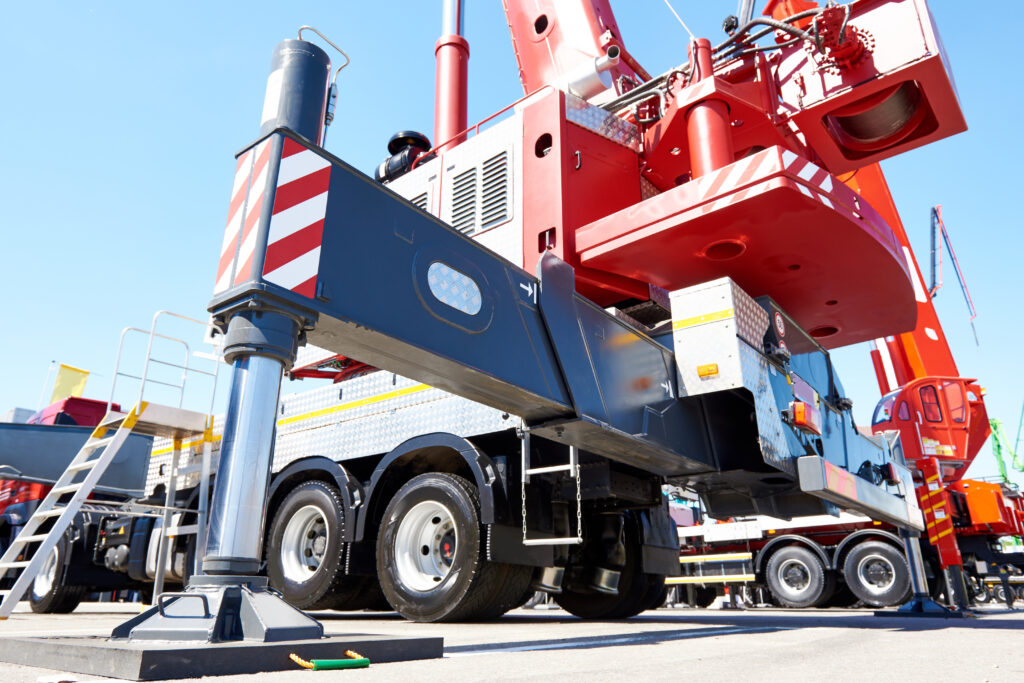
On Saudi construction sites, safety compliance is rarely about one big decision—it’s built through dozens of small, practical choices made every day. One such choice, often overlooked, is what sits beneath heavy lifting equipment. In the Kingdom’s demanding environments, crane mats are proving to be a simple yet powerful way to reduce risk and stay aligned with safety regulations.
From mega infrastructure projects to oil & gas facilities, contractors increasingly rely on reliable crane mats suppliers in Saudi Arabia to create safer, more compliant work zones—especially where soil conditions are unpredictable.
Why Ground Stability Is a Compliance Issue in KSA?
Saudi Arabia’s terrain varies dramatically. One site may sit on compacted desert sand, another near reclaimed land or soft coastal soil. When cranes operate on unstable ground, the risk isn’t theoretical—it’s immediate.
According to guidance published by OSHA (osha.gov), a significant number of crane-related incidents globally are linked to improper ground preparation rather than equipment failure. Saudi safety standards echo this concern, placing responsibility on contractors to ensure load-bearing surfaces are fit for purpose.
Crane mats directly address this requirement by spreading loads evenly and minimizing ground pressure. In simple terms, they help the ground behave the way safety inspectors expect it to.
How Crane Mats Improve Safety Compliance?
Compliance is rarely about ticking boxes; it’s about demonstrating control. Crane mats support that control in several practical ways.
1. Better Load Distribution
Heavy cranes exert enormous point loads. Without mats, those forces concentrate under outriggers, increasing the chance of ground failure. Mats distribute the load across a wider surface, reducing settlement and tilt.
2. Reduced Risk of Crane Instability
Even a minor shift can compromise lifting operations. Mats create a level working platform, which directly supports compliance with safe lifting plans required on Saudi construction sites.
3. Protection of Underground Services
Many KSA sites run utilities just below the surface. Mats help prevent accidental damage by absorbing pressure that might otherwise crack or collapse buried infrastructure.
Real-World Compliance Benefits Contractors Notice
Contractors who consistently use crane mats often report fewer safety interventions and smoother inspections. From site managers’ perspectives, the benefits are tangible:
- Faster approvals during safety audits due to visible ground protection measures
- Lower incident rates related to crane movement or ground settlement
- Improved crew confidence, especially during complex or night-time lifts
These aren’t abstract gains—they translate into fewer delays and better alignment with Saudi safety frameworks.
Material Choice Matters More Than Many Expect
Not all crane mats are equal. Traditional timber mats still exist, but modern projects increasingly favor engineered solutions.
Many leading sites now source mats from ultra high molecular weight polyethylene manufacturers, largely because UHMWPE mats are:
- Highly resistant to moisture, heat, and chemicals
- Lighter to handle than timber without sacrificing strength
- Consistent in performance, which inspectors appreciate
In a climate like Saudi Arabia’s, where heat and sand can degrade traditional materials quickly, this consistency becomes a compliance advantage.
Alignment with Saudi Safety Regulations
Saudi Arabia’s construction sector increasingly aligns with international best practices while enforcing local regulations. Entities like the Ministry of Municipal and Rural Affairs and Housing emphasize proactive risk management.
Crane mats fit naturally into this mindset. They demonstrate that a contractor isn’t merely reacting to hazards but actively preventing them—an approach encouraged across Vision 2030 projects.
International safety organizations such as the International Labour Organization (ilo.org) also stress stable foundations as a core element of lifting safety, reinforcing the role mats play in regulatory alignment.
FAQs
1. Are crane mats mandatory on construction sites in Saudi Arabia?
They are not always explicitly mandatory, but they are often required to meet ground stability and risk mitigation standards during lifting operations.
2. Do crane mats help during safety inspections?
Yes. Inspectors look for visible measures that reduce risk. Properly installed crane mats clearly demonstrate compliance intent.
3. Can crane mats be reused across multiple projects?
High-quality UHMWPE crane mats are designed for repeated use, making them cost-effective over time.
4. Are crane mats suitable for desert conditions?
Absolutely. They perform particularly well on sand and loose soil, which are common challenges in KSA.
Final Thoughts
Crane mats may not be the most visible safety investment on a Saudi construction site, but they are among the most practical. By improving ground stability, supporting regulatory compliance, and reducing risk at its source, they quietly help projects move forward—safely, confidently, and without unnecessary interruptions.
Full Audio: Listen Here