Ever noticed how some of the most complex machines in the world work flawlessly day after day? Hidden behind that reliability are small but mighty components. Among them, universal joint bellows quietly keep everything moving with far less drama than we give them credit for.
These flexible, protective structures absorb misalignment, vibration, and temperature shifts traits that industries with intense mechanical motion depend on heavily. Let’s explore which sectors rely on them the most and why they’re such unsung heroes of modern engineering.
1. Automotive & Heavy Vehicle Manufacturing
From steering columns to drivetrain assemblies, vehicle systems simply can’t operate smoothly without rotational flexibility. Bellows help shield joints from dust, moisture, and high-heat environments common foes inside cars, trucks, and off-road machinery. According to transportation engineering data reported through the U.S. Department of Energy (energy.gov), drivetrain efficiency drops significantly when components face misalignment or thermal stress. Bellows counter exactly those issues.
- Steering systems: Protect universal joints from road debris and weather exposure.
- Drivelines: Reduce premature wear in components constantly dealing with torque fluctuations.
- Construction vehicles: Withstand harsher environmental extremes than consumer vehicles ever face.
It’s one of those areas where a small, flexible cover becomes the guardian of far more expensive parts—almost like a helmet for your drivetrain.
2. Aerospace & Defense Systems
When you think about aircraft or defense equipment, you probably imagine precision, durability, and materials capable of handling punishing loads. Bellows fit neatly into that ecosystem. In aerospace, they protect jointed components within landing gear assemblies, control systems, and navigation devices—places where both vibration and temperature changes are notoriously high.
Modern defense systems use bellows for similar reasons: shielding mission-critical joints from sand, thermal shocks, and high-speed movement. A single failure could ground an aircraft or halt an automated turret, which is why reliability here isn’t negotiable.
The Need for Absolute Precision
- They prevent micro-contamination that compromises flight instruments.
- They maintain performance during rapid pressure fluctuations.
- They protect universal joints in compact, high-load assemblies where replacement is extremely difficult.
3. Oil, Gas & Petrochemical Processing
Facilities in this sector operate nonstop and deal with everything from corrosive fluids to extreme heat. Even minor misalignment between pumps, compressors, and pipe systems can snowball into expensive shutdowns. That’s where bellows step in, absorbing movement and shielding joints from chemical exposure.
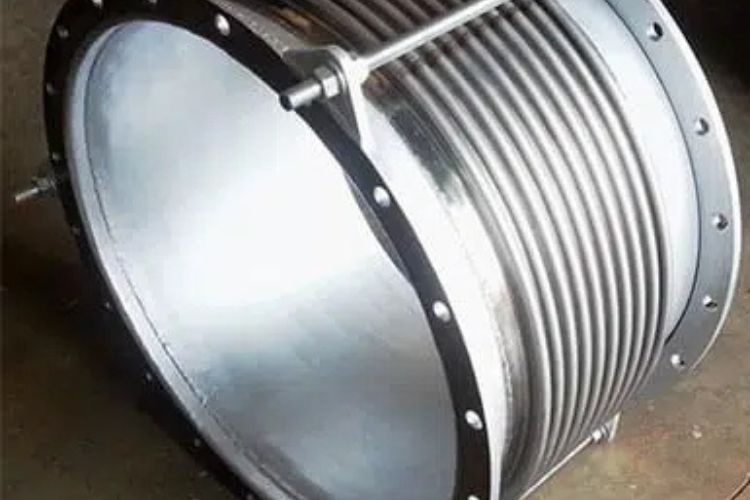
In the middle of such environments, engineers often rely on universal expansion joints to handle multidirectional movement while maintaining a leak-free system.
Industry reports from the American Petroleum Institute (api.org) frequently highlight that equipment misalignment and vibration remain leading causes of pipeline failures. Bellows help curb both issues, particularly in rotating machinery.
4. Industrial Machinery & Robotics
Automation has surged dramatically over the last decade, and with robots performing high-speed repetitive motions, the joints connecting those arms take a beating. Bellows protect these universal joints from dust, coolant spray, and friction heat common inside manufacturing floors.
In fact, flexible joint protection has become so important in robotics that many manufacturers integrate it during early design stages. Discussions around load impacts and longevity often tie back to sources like The Role of Dynamic Loads in Cover Durability , which explains how dynamic stress can influence system lifespan.
- CNC machinery: Bellows protect joints from metal shavings.
- Assembly-line robots: Reduce downtime caused by joint overheating.
- Packaging systems: Support fast, repetitive movement without component fatigue.
Additional keywords like industrial joint protection and mechanical motion control naturally connect to these applications and help illustrate how universal this technology has become.
5. Renewable Energy Infrastructure
Wind turbines, solar tracking systems, and hydroelectric equipment all rely on rotating mechanisms exposed to harsh weather. Bellows safeguard critical joints from UV radiation, salt air, and moisture. For wind turbines where the nacelle and blades constantly move unprotected joints would deteriorate rapidly.
As renewable systems scale globally, demand for reliable joint protection will likely rise alongside them.
FAQ
1. What do universal joint bellows actually do?
They protect flexible joints from dust, heat, vibration, and misalignment—extending equipment life and improving performance across many industries.
2. Are bellows needed in low-temperature environments?
Yes. Even in low temperatures, bellows prevent moisture ingress and help maintain joint flexibility, which can otherwise stiffen in cold climates.
3. How long do industrial bellows typically last?
Longevity varies by material and use case, but in well-maintained systems, they often last several years before requiring replacement.
4. Do robotics applications require special types of bellows?
Most robotic systems use high-flex, abrasion-resistant bellows designed to withstand rapid, repetitive motion and exposure to manufacturing debris.
Final Thoughts
Universal joint bellows may not be headline-grabbing components, but industries absolutely depend on them. Without their ability to cushion stress, absorb misalignment, and protect motion-critical joints, many modern machines would face constant breakdowns. Their role is quiet but essential.