
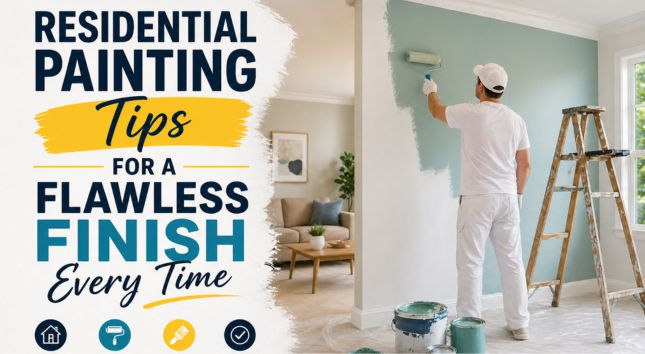
Ever wondered why some painted walls look effortlessly smooth while others reveal streaks, patches, or uneven tones? Achieving that flawless finish isn’t just about picking a color—it’s about technique, preparation, and a bit of insider knowledge. Whether you’re refreshing a room or repainting your entire home, small details can make a surprisingly big difference.
When it comes to Residential Painting, the difference between an average job and a stunning one often lies in preparation and patience. Many homeowners jump straight into painting, only to realize later that skipping key steps leads to uneven finishes and extra costs.
Start with Surface Preparation
If there’s one golden rule in interior painting, it’s this: never underestimate prep work. Think of your walls like a canvas—if the surface isn’t smooth, the final artwork won’t shine. Dust, grease, cracks, or peeling paint can all interfere with adhesion.
According to guidance from the U.S. Environmental Protection Agency, proper surface cleaning and preparation not only improves paint adhesion but also contributes to healthier indoor air quality by reducing trapped contaminants.
Essential prep steps include:
- Cleaning walls to remove dirt, oil, and residue
- Filling cracks and sanding uneven patches
- Applying primer for better coverage and durability
- Using painter’s tape for clean, sharp edges
Skipping these steps might save time initially, but it almost always leads to rework—which is far more time-consuming and expensive.
Also Read: How to Touch Up Exterior Paint Without Repainting the Whole House
Choose the Right Paint and Tools
Not all paints—or tools—are created equal. High-quality paint may cost more upfront, but it often requires fewer coats and lasts significantly longer. Similarly, using the right brushes and rollers ensures smoother application and better coverage.
Interestingly, research from the National Association of Home Builders highlights that premium paint products can extend repainting cycles, ultimately saving homeowners money over time.
What professionals typically recommend:
- Use microfiber rollers for even paint distribution
- Invest in angled brushes for edges and corners
- Choose low-VOC paints for safer indoor environments
- Match paint finish to room function (matte, satin, semi-gloss)
It’s a bit like cooking—better ingredients and tools don’t guarantee perfection, but they definitely improve your chances.
Master the Painting Technique
Technique is where many DIY projects fall short. Applying paint too thickly, rushing between coats, or ignoring drying times can all lead to visible flaws.
Professional painters often use a method called the “W” or “M” technique when rolling paint. This ensures even coverage and minimizes streaks. It might feel awkward at first, but once you get the rhythm, the results are noticeably better.
Key technique tips:
- Apply thin, even coats rather than one heavy layer
- Maintain a wet edge to avoid lap marks
- Allow sufficient drying time between coats
- Work in natural light whenever possible
Patience is your best friend here. Rushing the process almost always shows in the final finish.
Don’t Ignore Exterior Influence
While interior painting gets most of the attention, exterior conditions can also impact your home’s overall aesthetic. Coordinating indoor and outdoor finishes creates a cohesive look that enhances curb appeal.
This is where experienced Outside House Painters come into play. They understand how weather, sunlight, and materials interact with paint, ensuring durability and consistency across your home.
Timing Matters More Than You Think
Painting isn’t just about what you do—it’s also about when you do it. Temperature, humidity, and airflow all influence how paint dries and adheres to surfaces.
For instance, high humidity can slow drying time, leading to streaks or uneven finishes. On the other hand, extremely dry conditions can cause paint to dry too quickly, making blending difficult.
Ideal painting conditions:
- Moderate temperatures between 10°C–30°C
- Low humidity levels
- Good ventilation for proper drying
Getting the timing right might seem like a small detail, but it can dramatically impact the final result.
FAQs
1. How many coats are needed for a flawless paint finish?
Most walls require at least two coats for even coverage. However, darker colors or textured surfaces may need an additional coat for a truly flawless look.
2. Is primer always necessary in residential painting?
Primer is highly recommended, especially when painting over dark colors, stains, or new drywall. It improves adhesion and ensures consistent color.
3. What is the best paint finish for living rooms?
Satin or eggshell finishes are ideal for living rooms as they offer a balance between durability and aesthetic appeal.
4. Can I paint over old paint without sanding?
While it’s possible, sanding is recommended for better adhesion and smoother results, particularly if the existing paint is glossy or uneven.
Final Thoughts
Achieving a flawless paint finish isn’t about luck—it’s about combining preparation, the right tools, and thoughtful execution. While it may take extra effort upfront, the results are undeniably worth it. A well-painted home doesn’t just look better; it feels more polished, more complete, and ultimately more “you.”
Also Read: Fresh Paint Ideas Transforming Modern Homes
Blog Development Credits:
This blog was thoughtfully conceptualized by Soumyajit Sardar, crafted with the help of advanced AI platforms like ChatGPT, Gemini, and Copilot. Final editing and SEO expertise were provided by Mister Paint.