Cast iron has been a staple in various industries for centuries, renowned for its durability and versatility. The production process of cast iron involves several intricate steps, each contributing to the final product’s quality and performance. In this article, we will explore the cast iron factory production process, shedding light on the techniques and technologies that define modern manufacturing.
Overview of Cast Iron Manufacturing
The journey of cast iron begins with the selection of raw materials, primarily iron ore, scrap metal, and alloying elements. These materials are melted in a furnace, where the temperature can reach up to 1,500 degrees Celsius. The molten iron is then poured into molds to create various products, ranging from pipes to cookware.
Also Read: Top Cast Iron Foundries for Global Export
Key Steps in the Cast Iron Manufacturing Process
- Melting: The first step involves heating the raw materials in a furnace. This can be done using electric arc furnaces or cupola furnaces, depending on the factory’s capabilities.
- Pouring: Once the iron is melted, it is carefully poured into molds. The design of these molds is crucial as it determines the final shape of the cast iron product.
- Cooling: After pouring, the molds are allowed to cool, solidifying the iron into its final form. This process can take several hours, depending on the thickness of the casting.
- Finishing: Once cooled, the castings are removed from the molds and undergo various finishing processes such as grinding, machining, and surface treatment to enhance their properties.
Modern Innovations in Cast Iron Production
Today’s cast iron factory operations are increasingly influenced by technological advancements. Here are some notable trends:
Sustainability Practices
With a growing emphasis on environmental responsibility, many manufacturers are adopting sustainable practices. Approximately 70% of cast iron produced today is made from recycled materials, significantly reducing the industry’s carbon footprint.
Automation and Robotics
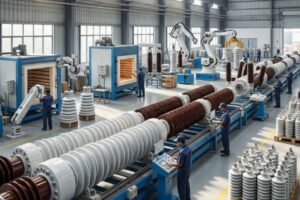
The integration of automation and robotics in the production process has revolutionized the industry. Automated systems enhance efficiency, reduce labor costs, and improve the precision of castings, ensuring consistent quality.
Customization and Small Batch Production
As consumer demands evolve, many factories are shifting towards customization and small batch production. This flexibility allows manufacturers to cater to specific customer needs while maintaining high-quality standards.
Challenges in Cast Iron Production
Despite advancements, the cast iron industry faces significant challenges, particularly regarding supply chain disruptions. Global events can affect the sourcing of raw materials and logistics, leading to delays and increased production costs.
FAQs
What are the main raw materials used in cast iron production?
The primary raw materials for cast iron production include iron ore, scrap metal, and various alloying elements such as carbon and silicon. These materials are essential for achieving the desired properties in the final product.
How long does the cast iron production process take?
The duration of the cast iron production process can vary significantly based on the complexity of the product and the factory’s capabilities. Typically, the melting and pouring stages are relatively quick, while cooling and finishing can take several hours to days.
What are the benefits of using recycled materials in cast iron production?
Using recycled materials reduces the need for virgin resources, thereby minimizing environmental impact. Additionally, it can lower production costs and enhance the sustainability of the manufacturing process.
How does automation improve cast iron production?
Automation enhances efficiency by streamlining processes, reducing manual labor, and improving precision in casting. This leads to higher quality products and reduced production times, ultimately benefiting manufacturers and consumers alike.
What types of products are made from cast iron?
Cast iron is used to manufacture a wide range of products, including cookware, pipes, manhole covers, and automotive parts. Its durability and heat retention properties make it ideal for various applications.
Also Read: Maintenance of Grey Iron Flanges: Everything You Must Know
Conclusion
The cast iron factory production process is a blend of traditional techniques and modern innovations. As the industry continues to evolve, embracing sustainability and automation will be vital for meeting future demands. Understanding these processes not only highlights the craftsmanship involved but also emphasizes the importance of adapting to changing market needs.
Blog Development Credits
This blog was conceptualized and guided by Bengal Iron Corporation, combining industry expertise with advanced research tools for SEO optimization and content quality.