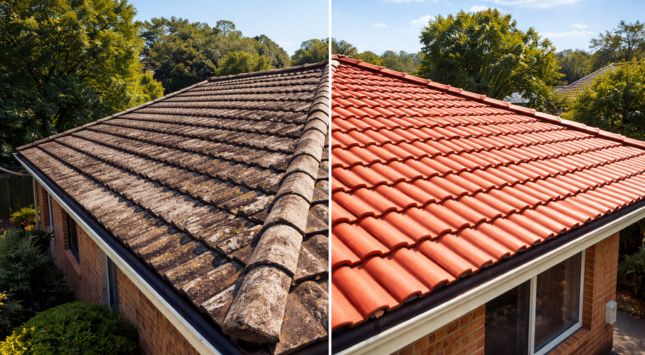
Take a slow drive through any Adelaide suburb and you’ll notice something interesting. Some roofs look tired, patchy, and sun-bleached. Others gleam like they were installed yesterday. The difference often isn’t age—it’s restoration. And if you’ve ever wondered whether your roof could look “new again,” the before-and-after results might genuinely surprise you.
For many homeowners, Roof Restoration in Adelaide isn’t just cosmetic—it’s practical. Adelaide’s climate swings from scorching summers to sudden winter downpours, quietly testing roofing materials year after year. A proper restoration doesn’t just refresh appearance; it reinforces durability and extends lifespan in ways that aren’t always visible at first glance.
What Does a “Before” Roof Really Look Like?
Before restoration, many Adelaide roofs share similar symptoms. Faded tiles. Flaking paint. Small cracks that don’t look urgent—until they are. Metal roofs often show early rust along screws and flashing. Tile roofs develop porous surfaces that absorb moisture.
According to data from the Australian Government’s climate resources (climatechangeinaustralia.gov.au), South Australia experiences increasing temperature extremes and periodic heavy rainfall events. That combination accelerates wear on roofing materials, particularly older terracotta and Colorbond systems.
Common “Before” Issues Homeowners Notice
- Patchy or faded roof paint
- Loose ridge caps and deteriorating mortar
- Minor leaks during heavy rain
- Rust spots or bubbling metal sheets
- Moss and lichen buildup in shaded areas
Individually, these issues seem manageable. Together, they quietly reduce your roof’s performance—and your home’s street appeal.
Also Read: How does the Schedule Matter in terms of Roof Revitalising?
The Restoration Process: Where Transformation Begins
A genuine roof restoration is not a quick paint-over. It’s a structured, multi-stage process designed to revive both form and function. The dramatic “after” photos you see online are the result of careful preparation.
Typical Roof Restoration Steps
- High-pressure cleaning to remove dirt, debris, and biological growth.
- Tile or sheet replacement where damage is beyond repair.
- Repointing ridge caps with flexible compounds.
- Rust treatment or sealing for metal surfaces.
- Primer and protective coating application for long-term resilience.
The coating stage is where the visible transformation happens—but structurally, the earlier steps are just as important. According to industry insights published by housing.sa.gov.au, preventative maintenance significantly reduces long-term structural repair costs in residential properties.
Before & After: What Actually Changes?
The most obvious shift is visual. A restored roof looks sharper, richer in colour, and structurally uniform. But the transformation runs deeper.
Visible Improvements
- Even, vibrant colour finish
- Clean roof lines and uniform texture
- Improved gutter flow and drainage
- Enhanced curb appeal
Structural Improvements
- Reduced water penetration
- Improved thermal performance
- Extended material lifespan
- Lower risk of emergency repairs
In fact, many homeowners only consider restoration after needing Emergency Roof Leak Repair. But waiting for a leak is a reactive approach. Restoration works best as a proactive strategy—before structural damage spreads into ceilings or insulation.
Restoration vs Replacement: What Makes Sense?
It’s a fair question: why restore instead of replace? The answer usually comes down to cost and condition. Full replacement is necessary when structural decking is compromised. But in many Adelaide homes, the underlying roof frame remains solid.
When comparing restoration to full replacement, reviewing Re Roofing Adelaide Cost often reveals that restoration can be significantly more budget-friendly—while delivering a similar aesthetic upgrade.
When Restoration Is Ideal
- The roof is structurally sound
- Damage is surface-level
- Leaks are minor and localized
- You want improved appearance without major construction
How Long Does the “After” Effect Last?
A properly executed roof restoration in Adelaide can last 10–15 years, sometimes longer depending on materials and maintenance. Modern protective coatings are engineered to withstand UV exposure and thermal expansion, two major stress factors in South Australia.
Routine inspections every couple of years help preserve the results. Think of it like servicing a car—small adjustments now prevent major problems later.
Frequently Asked Questions
How long does roof restoration take?
Most residential roof restorations in Adelaide take 2–5 days, depending on size, weather, and repair requirements.
Is roof restoration messy?
Professional contractors use protective coverings and controlled cleaning methods. While pressure washing creates debris, experienced teams minimize disruption and clean up thoroughly.
Will roof restoration increase property value?
Yes, improved curb appeal and structural integrity can enhance buyer perception. A well-maintained roof signals reduced future maintenance costs.
Can all roofs be restored?
Not always. Severely deteriorated or structurally compromised roofs may require replacement instead of restoration.
Final Thoughts
There’s something satisfying about seeing a roof go from dull and weathered to crisp and revitalised. But beyond aesthetics, roof restoration in Adelaide is about protecting your home against a climate that doesn’t always play gently. When done at the right time, the transformation is more than visual—it’s a long-term investment in comfort, safety, and peace of mind.
Also Read: Is Roof Restoration Worth It for Adelaide Homes?
Blog Development Credits
This blog was a team effort fueled by smart ideas. Local Adelaide Roofers picked the topic. Most content was crafted using tools like ChatGPT and Google Gemini.