
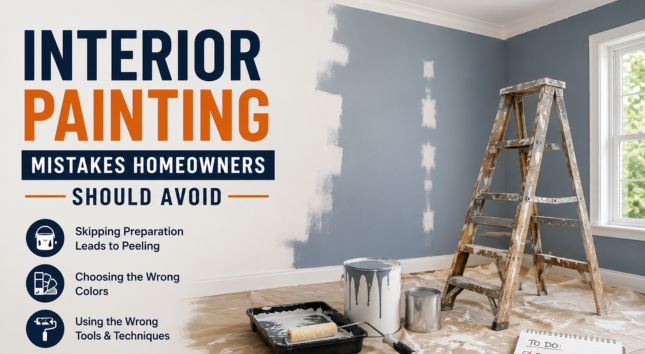
A fresh coat of paint can completely change how a home feels. Rooms appear brighter, cleaner, and somehow more welcoming almost overnight. But here’s the thing many homeowners realize a little too late—painting interiors isn’t always as simple as opening a can and grabbing a roller. Small mistakes during the process can quietly turn an exciting makeover into an expensive redo.
Whether you’re refreshing a bedroom or repainting an entire property, understanding common Interior Painting mistakes can save both time and money. From choosing the wrong finish to rushing preparation work, even minor oversights can affect the final appearance for years.
Skipping Surface Preparation
This is probably the most common mistake homeowners make. Honestly, it’s understandable. Prep work feels slow and boring compared to actually painting. But walls remember everything—dust, grease, nail holes, moisture damage, even fingerprints near light switches.
Painting directly over dirty or uneven surfaces usually leads to peeling, bubbling, or patchy finishes later. According to experts from the Paint Quality Institute, proper surface preparation significantly improves paint durability and adhesion.
Before painting, homeowners should:
- Clean walls thoroughly to remove dust and grease
- Patch cracks and nail holes properly
- Sand rough surfaces for smooth coverage
- Use primer on repaired or stained areas
- Allow surfaces to dry fully before painting
Also Read: The Best Paint Colors for Hallways And Narrow Spaces
Choosing Paint Color Under Store Lighting
A color that looks warm and elegant inside a store can suddenly feel cold or overpowering at home. Lighting changes everything. Natural daylight, LED bulbs, window placement, and even flooring tones affect how paint appears once applied.
Many homeowners skip sample testing because they feel confident about a color choice. Then comes the awkward moment when an entire living room suddenly looks brighter—or darker—than expected.
A better approach is to test sample swatches on multiple walls and observe them throughout the day. Morning light and evening shadows can create surprisingly different results.
Using the Wrong Paint Finish
Color gets most of the attention, but paint finish quietly affects both durability and appearance. This part is often overlooked until cleaning becomes difficult or wall imperfections start standing out.
Common Finish Mistakes
- Flat Finish in High-Traffic Areas: Flat paints hide imperfections well but stain easily.
- Glossy Paint on Uneven Walls: High gloss reflects light and exaggerates wall flaws.
- Ignoring Moisture Levels: Bathrooms and kitchens need moisture-resistant finishes.
- Using One Finish Everywhere: Different rooms benefit from different paint sheens.
For example, satin or eggshell finishes often work better for hallways and family spaces because they balance durability with a softer appearance.
Buying Cheap Paint to Save Money
At first glance, budget paint feels like a smart financial decision. But lower-quality paint usually requires extra coats, fades faster, and may not provide consistent coverage.
In many cases, homeowners end up spending more on additional labor and repainting within a shorter period. Higher-quality paints generally contain better pigments and resins, which improve durability and washability over time.
According to the U.S. Environmental Protection Agency (EPA), choosing low-VOC paints can also improve indoor air quality and reduce chemical exposure during home improvement projects.
Ignoring Lighting During Interior Painting
Lighting and paint work together more closely than most people think. A beautiful beige can suddenly appear yellow under warm lighting. Gray shades may look blue in rooms with limited sunlight.
This becomes especially important in open-concept homes where paint colors flow from one room into another. Homeowners sometimes select trendy shades without considering how artificial lighting changes the mood of a space.
Professional designers often recommend evaluating colors under:
- Morning daylight
- Afternoon sunlight
- Warm indoor lighting
- Cool white LED lighting
- Night-time ambient lighting
Rushing the Drying Process
This mistake usually happens when homeowners are eager to finish quickly. Applying a second coat too soon can cause streaks, peeling, bubbling, or uneven textures.
Paint needs proper curing time, not just surface drying time. Humidity, room temperature, and ventilation all influence how paint settles on walls.
Ironically, trying to save a few hours often creates days of correction work later.
Attempting Complex Projects Without Professional Help
Some painting projects genuinely require experience. High ceilings, stairwells, textured walls, accent finishes, and older damaged surfaces can quickly become overwhelming for DIY homeowners.
That’s where experienced Interior House Painters often make a major difference. Professional painters usually understand surface preparation, product compatibility, moisture issues, and finish selection far better than most homeowners expect.
Hiring professionals may initially seem expensive, but avoiding repeated mistakes can actually reduce long-term costs.
Overlooking Ventilation During Painting
Ventilation is one of those things homeowners rarely think about until paint odors become unbearable. Poor airflow slows drying and traps fumes indoors.
Simple steps like opening windows, using fans, and selecting low-odor paints can make interior painting far more comfortable and safer for families.
This matters even more for households with children, pets, or individuals sensitive to strong odors.
Following Trends Too Closely
Trendy colors look exciting online, but not every trend ages well inside real homes. Some homeowners repaint entire interiors based on social media inspiration only to regret the decision a year later.
Neutral foundations with subtle accent colors usually offer better flexibility over time. Timeless shades tend to work better with changing furniture styles and décor updates.
FAQs
How long should interior paint dry before applying a second coat?
Most interior paints need at least 2–4 hours before recoating, although humidity and temperature can extend drying times. Always follow manufacturer instructions for best results.
What is the best paint finish for living rooms?
Eggshell or satin finishes are often preferred for living rooms because they provide durability while maintaining a soft, elegant appearance.
Why does interior paint peel after a few months?
Peeling usually happens because of poor surface preparation, trapped moisture, or applying paint over dirty or glossy surfaces without proper priming.
Is professional interior painting worth the cost?
Yes, professional painters can help avoid costly mistakes, improve finish quality, and complete projects more efficiently, especially for larger or more detailed spaces.
Final Thoughts
Interior painting can dramatically improve a home’s atmosphere, but the details matter far more than many homeowners realize. Careful preparation, thoughtful color testing, proper finishes, and patience during the process often separate professional-looking results from disappointing ones. Sometimes, avoiding mistakes is actually more important than mastering complicated painting techniques.
Also Read: Fresh Paint Ideas Transforming Modern Homes
Blog Development Credits:
This blog was thoughtfully conceptualized by Soumyajit Sardar, crafted with the help of advanced AI platforms like ChatGPT, Gemini, and Copilot. Final editing and SEO expertise were provided by Mister Paint.