
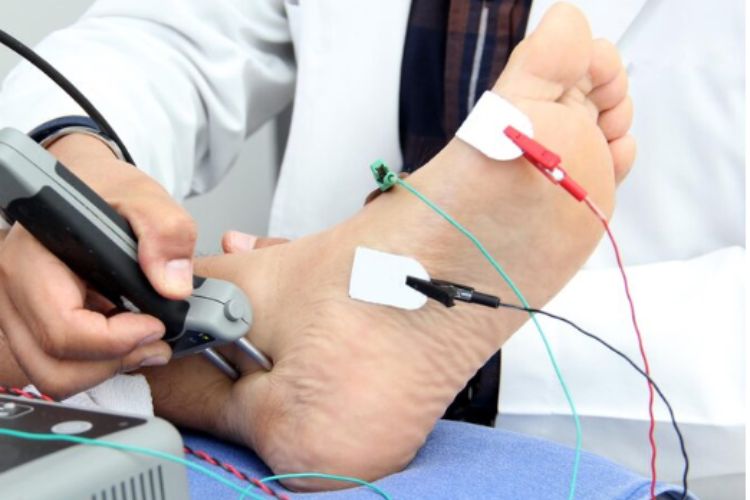
When nerve pain starts creeping into everyday life burning feet, tingling toes, or that odd “pins and needles” feeling it’s often more than just discomfort. It can quietly signal diabetic neuropathy. Understanding modern care options, especially diabetic neuropathy treatment, is becoming increasingly important for patients across India who want to stay mobile, independent, and pain-controlled.
In India, diabetes cases are rising steadily, and so are nerve-related complications. The challenge isn’t just the condition itself it’s recognizing it early and choosing the right approach before it quietly progresses.
What Diabetic Neuropathy Really Feels Like?
People often describe diabetic neuropathy in surprisingly different ways. Some feel mild numbness, while others talk about a constant burning sensation, especially at night. It’s not just “nerve pain” it can affect walking stability, sleep quality, and even emotional well-being.
According to the International Diabetes Federation, nearly half of long-term diabetes patients may develop some form of nerve damage during their lifetime. That statistic alone explains why awareness matters as much as treatment.
Modern Approaches to Treatment in India
India has seen a noticeable shift in how diabetic nerve pain is managed. Earlier, treatment mostly revolved around painkillers and basic glucose control. Today, care is far more structured, combining neurology, podiatry, and lifestyle medicine.
Common Treatment Pathways
- Blood sugar stabilization: The foundation of all nerve-related treatment strategies.
- Targeted nerve medications: Often used to reduce burning pain and improve nerve signaling.
- Physiotherapy support: Helps improve balance, foot strength, and mobility.
- Advanced wound care: Essential in preventing complications in high-risk patients.
In many clinics, doctors now focus on a combined model rather than a single-treatment approach. That’s a big shift compared to a decade ago when management was more fragmented.
Why Early Intervention Matters More Than Ever?
One of the most overlooked truths about diabetic neuropathy is that nerves don’t heal easily once damage becomes severe. That’s why early attention can change outcomes significantly.
Think of it like a fraying wire catch it early, and it can be insulated. Ignore it too long, and replacement becomes the only option.
Warning Signs Patients Often Ignore
- Loss of sensation in toes or feet
- Sharp or electric-like pain at night
- Small wounds that take unusually long to heal
- Unexplained balance issues while walking
At this stage, doctors often evaluate whether patients may also require diabetic foot wound treatment, especially if unnoticed injuries or infections have already started developing.
Lifestyle Habits That Support Recovery
Medical treatment works best when paired with consistent daily habits. Many Indian patients see better symptom control when they combine both.
- Daily foot inspection: Checking for cuts, redness, or swelling can prevent complications.
- Controlled diet: Balanced meals with low glycemic impact help stabilize glucose levels.
- Light physical activity: Walking or yoga improves circulation and nerve oxygen supply.
There’s also growing evidence that structured lifestyle changes reduce complications. A study published by the American Diabetes Association highlights that improved glucose control can significantly slow neuropathy progression in many patients.
Advanced Care Options Available Today
What’s interesting is how treatment options in India have expanded beyond traditional medicine. Many hospitals and specialty clinics now offer multidisciplinary care, combining modern diagnostics with rehabilitation-focused therapy.
- Neuropathy screening tests: To detect early nerve damage before symptoms worsen.
- Pain modulation therapy: Helps reduce chronic nerve discomfort without heavy sedation.
- Foot pressure analysis: Identifies high-risk zones for ulcers or injury.
Patients who adopt early structured care often report not just reduced pain but also better confidence in walking and daily movement.
Real-World Perspective from Indian Patients
One common observation among doctors is that patients often delay treatment until pain becomes disruptive. In reality, the earlier stages are the most manageable. Urban clinics in India report that awareness campaigns have started improving early diagnosis rates, but rural gaps still exist.
This is where education becomes as important as medication because knowing what to look for often decides how smoothly treatment progresses.
FAQs
1. Can diabetic neuropathy be completely cured?
It usually cannot be fully reversed, but early treatment can slow progression and significantly reduce symptoms.
2. What is the first step in diabetic neuropathy treatment?
The first step is strict blood sugar control, followed by nerve assessment and symptom-based management.
3. Are lifestyle changes really effective?
Yes, consistent diet control, exercise, and foot care can meaningfully reduce complications and improve quality of life.
4. When should I see a doctor?
If you experience numbness, burning pain, or slow-healing wounds in your feet, early medical evaluation is strongly recommended.
Final Thoughts
Diabetic neuropathy is not just a medical condition it’s a long-term management journey. The good news is that India now offers more structured, patient-focused care than ever before. With timely diagnosis, lifestyle discipline, and modern treatment options, patients can still maintain an active and comfortable life.