In high-risk industries, safety rarely changes overnight—it evolves after lessons are learned the hard way. Across Saudi Arabia, industries like oil & gas, petrochemicals, utilities, and heavy manufacturing are witnessing a quiet but firm shift: flame-resistant workwear is no longer optional. The question many safety managers now ask isn’t if FR uniforms are required, but why they took so long to become standard.
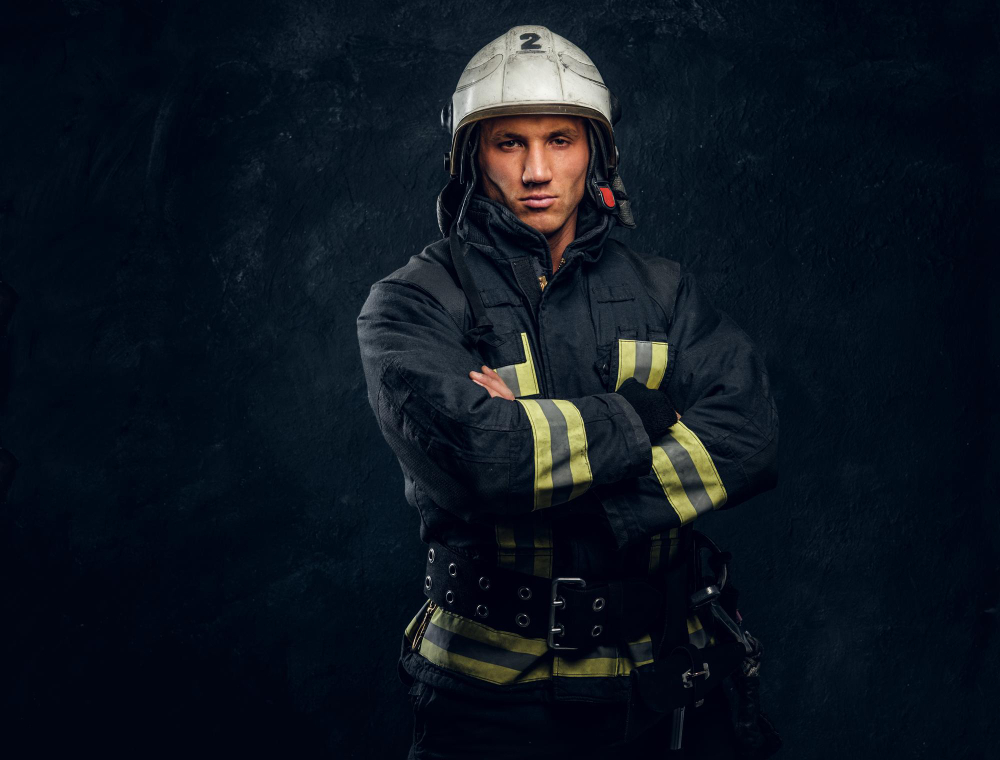
One key reason is the growing understanding of how a single spark can escalate into a life-altering incident. This is where the FR Uniform enters the conversation—not as a compliance checkbox, but as a frontline defense for workers operating in hazardous environments.
The Reality of High-Risk Work Environments in Saudi Arabia
Saudi Arabia’s industrial backbone depends heavily on sectors where fire hazards are part of daily operations. From upstream oil fields to downstream refineries and power plants, workers are routinely exposed to:
- Flash fire risks during maintenance or shutdowns
- Arc flash hazards in electrical operations
- Combustible dust and flammable gases
According to data summarized by the U.S. Occupational Safety and Health Administration (osha.gov), proper flame-resistant clothing can significantly reduce burn injuries by self-extinguishing instead of continuing to burn. While the data originates globally, the risks it addresses are very much present in Gulf-region industries.
Why FR Uniforms Are Becoming Mandatory—Not Just Recommended?
1. Regulations Are Tightening
Safety standards in Saudi Arabia increasingly align with international benchmarks such as NFPA and IEC guidelines. Industrial operators working with global partners are expected to demonstrate compliance, and clothing standards are often audited first. FR uniforms offer a clear, visible commitment to safety governance.
2. Incident Costs Are No Longer Ignored
A single fire-related injury doesn’t just impact the worker—it disrupts operations, increases insurance premiums, and invites regulatory scrutiny. Studies referenced by the National Fire Protection Association (nfpa.org) show that burn injuries are among the costliest workplace incidents, both financially and operationally.
3. Worker Awareness Has Changed
Today’s workforce is better informed. Technicians and engineers increasingly ask about protective gear before accepting high-risk assignments. Companies that issue certified FR clothing are often seen as more responsible employers—an underrated advantage in a competitive labor market.
FR Coveralls: Where Compliance Meets Practicality
Midway through most safety conversations, the focus naturally shifts from theory to practicality. That’s where the FR Coverall stands out. Unlike layered PPE solutions that feel restrictive, modern FR coveralls are designed for long shifts, high temperatures, and physical movement.
In Saudi Arabia’s climate, breathable yet protective workwear is critical. Many newer flame-resistant garments are engineered to balance heat dissipation with fire protection—something older safety gear struggled to achieve.
Industries Leading the Mandatory FR Adoption
While adoption is spreading, some sectors are clearly ahead of the curve:
- Oil & Gas: Refineries and offshore operations now mandate flame-resistant workwear as baseline PPE.
- Power & Utilities: Arc flash protection has made FR clothing standard for electrical crews.
- Petrochemicals: Continuous exposure to volatile substances leaves no margin for error.
Across these industries, keywords like industrial safety clothing, flame resistant workwear, and protective coveralls are becoming part of everyday safety planning—not marketing buzzwords.
Beyond Compliance: The Human Factor
There’s an often-overlooked truth here. FR uniforms don’t just protect bodies; they protect confidence. A worker who feels safe performs better, reacts faster, and makes fewer mistakes. Over time, that psychological edge quietly improves productivity and safety culture.
As one safety consultant in the Eastern Province put it, “FR clothing doesn’t stop accidents—but it stops accidents from becoming tragedies.”
Frequently Asked Questions
1. Are FR uniforms legally mandatory in Saudi Arabia?
While regulations vary by sector, many companies mandate FR uniforms to comply with international safety standards and client requirements.
2. What makes FR clothing different from regular workwear?
FR clothing is engineered to self-extinguish when exposed to flames, reducing burn severity and preventing fabric from melting onto the skin.
3. Is FR workwear suitable for hot climates?
Yes. Modern flame-resistant fabrics are designed to be breathable while maintaining protection, making them suitable for Saudi Arabia’s climate.
4. How often should FR uniforms be replaced?
Replacement depends on wear, laundering, and exposure. Regular inspection is recommended to ensure ongoing protection.
Final Thoughts
FR uniforms are becoming mandatory not because of trends, but because risk tolerance has changed. In Saudi Arabia’s high-risk industries, protecting human life is no longer negotiable—and flame-resistant workwear has become a quiet but powerful symbol of that shift.
Full Audio: Listen Here