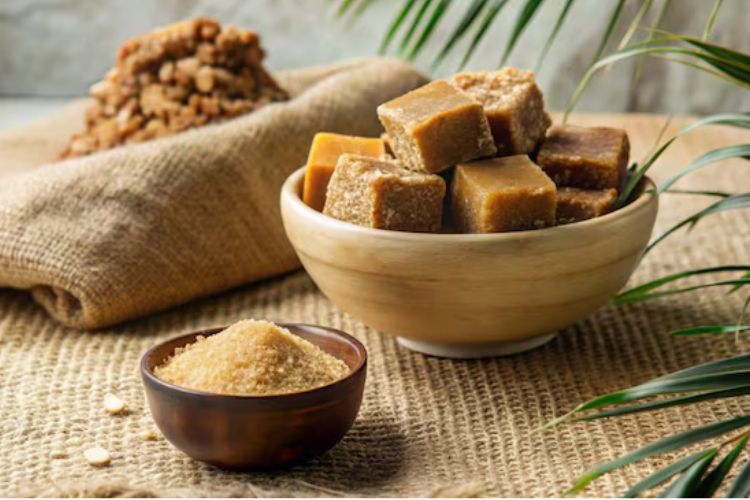
Buying jaggery online is convenient, but finding a genuinely authentic and organically produced product requires more than choosing attractive packaging or a low price. Whether you are looking for date palm jaggery, patali gur, liquid jaggery, or another traditional variety, understanding ingredients, certification, sourcing, packaging, and seller information can help you make a more informed purchase.
For shoppers interested in traditional Bengali sweeteners, patali gur buy online can be a practical way to explore date palm jaggery varieties from West Bengal. Joynagar’s current collection includes solid patali gur as well as liquid date palm jaggery products.
What Does Organic Jaggery Actually Mean?
Organic jaggery is not simply jaggery that looks natural, dark, or traditionally prepared. In India, organic food claims are governed by the Food Safety and Standards (Organic Foods) Regulations, 2017. FSSAI recognizes the National Programme for Organic Production (NPOP) and Participatory Guarantee System (PGS-India) as the two certification systems for organic foods.
This distinction matters when shopping online. Words such as “natural,” “traditional,” “chemical-free,” or “pure” do not automatically establish certified organic status. Consumers should look at the actual product label and certification information before treating an organic claim as verified.
1. Check the Organic Certification Information
Certification should be one of the first things you examine. According to Jaivik Bharat guidance, consumers should look for the FSSAI logo and licence number along with the appropriate organic identification. Depending on the certification system, products may carry the India Organic or PGS-India Organic marks and relevant certification-body information.
For a single-ingredient product, the applicable organic labelling requirements are particularly useful when assessing whether an “organic” claim is properly supported. If certification information is missing or unclear, contact the seller before purchasing.
2. Understand the Type of Jaggery You Are Buying
“Jaggery” can refer to products made from different plant sources and presented in different forms. Date palm jaggery, for example, is traditionally associated with the sap of date palm trees and is especially valued in Bengali cuisine. It may be sold as solid patali gur, soft jaggery, or liquid nolen gur.
Do not assume that every palm-derived product is the same. Check whether the product is made from date palm, palmyra palm, sugarcane, or another source. FSSAI’s food standards define gur or jaggery as a product obtained by processing juice from sources including sugarcane, palmyra palm, date palm, or coconut palm.
3. Read the Product Description Carefully
A trustworthy online listing should provide useful information instead of relying only on promotional language. Before ordering, check the product name, ingredients, net quantity, form, packaging details, storage instructions, manufacturer or seller information, and applicable licence or certification details.
For example, Joynagar’s date palm jaggery collection currently includes different formats such as round patali gur, solid slate-type patali gur, cubes, and liquid date palm jaggery. This makes it easier for shoppers to select a format according to how they intend to use it.
4. Look Beyond Colour
Colour alone is not a reliable authenticity test. Jaggery can naturally vary in colour, texture, moisture, and flavour depending on its source, processing, and form. A darker product is not automatically more organic, while a lighter product is not automatically inferior.
Instead of judging authenticity from appearance alone, consider the complete product information. A transparent seller should be able to explain the product’s source, ingredients, certification where applicable, packaging, and storage requirements.
5. Check Food-Safety and Quality Information
Organic certification and food safety are related but not identical concepts. Organic certification concerns compliance with organic production standards, while food products must also meet applicable food-safety and quality requirements.
FSSAI standards for gur or jaggery specify requirements including minimum total sugars, sucrose, ash limits, and moisture requirements for relevant forms of the product. These standards demonstrate why a quality assessment should involve more than taste or appearance.
6. Consider Packaging and Storage
Jaggery is sensitive to moisture and storage conditions, particularly in warm or humid environments. When purchasing online, look for packaging that appears appropriate for protecting the product during transportation and storage.
Once delivered, follow the seller’s storage instructions. Keep solid jaggery protected from excess moisture and contamination, and use clean, dry utensils when handling opened products. Liquid varieties should be stored according to the instructions provided on the product packaging.
7. Compare Sellers Before Ordering
Price is useful for comparison, but it should not be the only deciding factor. A very low price may reflect differences in quantity, processing, packaging, sourcing, or certification rather than simply a better deal.
Compare the following before placing an order:
- Ingredient and product information
- Organic certification details, where an organic claim is made
- FSSAI licence and labelling information
- Net quantity and packaging
- Seller transparency and contact information
- Storage and shelf-life guidance
- Customer reviews and product-specific feedback
Why Date Palm Jaggery Is Popular in Bengali Cuisine?
Date palm jaggery, commonly known as khejur gur or nolen gur in Bengal, has an important place in seasonal Bengali food traditions. It is commonly associated with winter preparations and is used in sweets, desserts, beverages, and traditional dishes.
Joynagar’s current collection describes its date palm jaggery as a traditional West Bengal product and offers both solid and liquid forms. For shoppers specifically looking for palm jaggery, choosing between solid patali and liquid jaggery can depend on the intended recipe and storage preference.
Common Mistakes to Avoid When Buying Organic Jaggery Online
One common mistake is assuming that “organic” written in a product title automatically proves certification. Another is choosing solely on colour, reviews, or price.
Buyers should also avoid products with incomplete descriptions, unclear ingredients, missing seller information, or packaging that does not provide adequate product details. If certification is important to your purchase, verify the relevant information rather than relying on marketing language alone.
How to Make a More Informed Purchase?
A simple approach is to follow a five-step check: identify the jaggery source, read the ingredient and product information, verify organic credentials when claimed, check food and packaging details, and compare sellers before ordering.
This approach is particularly useful when buying traditional products online because authenticity is difficult to establish from photographs alone. Official organic guidance also emphasizes certification and traceability as important safeguards against misleading organic claims.
Frequently Asked Questions
1. How can I tell if organic jaggery is genuinely certified?
Check the product label for the relevant organic certification information, Jaivik Bharat identification, FSSAI details, and applicable NPOP or PGS-India information. Certification details should be clear rather than implied only through marketing language.
2. Is dark-coloured jaggery always more authentic?
No. Colour by itself cannot establish authenticity or organic certification. Natural variation can occur depending on the source, processing method, and form of jaggery.
3. What is date palm jaggery?
Date palm jaggery is made from date palm sap and is traditionally used in Bengali cuisine. It is available in forms such as solid patali gur and liquid nolen gur.
4. Can I buy patali gur online?
Yes. Patali gur is available through online specialty food stores. Before ordering, check the product source, ingredients, quantity, certification claims, packaging, and seller information.
5. Is organic jaggery healthier than refined sugar?
Organic certification describes how a food is produced and certified; it does not automatically make a product suitable for unlimited consumption. Jaggery remains a concentrated sweetener, so it should be consumed appropriately as part of an overall balanced diet.
6. How should I store jaggery after buying it online?
Follow the product-specific storage instructions and protect jaggery from excess moisture, heat, and contamination. Liquid jaggery may have different storage requirements from solid patali gur.
Final Thoughts
Buying authentic organic jaggery online in India becomes much easier when you focus on evidence rather than appearance alone. Check certification where organic status is claimed, read the complete label, understand the jaggery’s source and form, evaluate packaging, and choose sellers that provide transparent product information.
For traditional date palm jaggery, shoppers can explore different forms of patali gur and liquid jaggery while considering their intended culinary use. Joynagar’s current online collection provides several date palm jaggery formats for customers looking to experience traditional West Bengal flavours.