
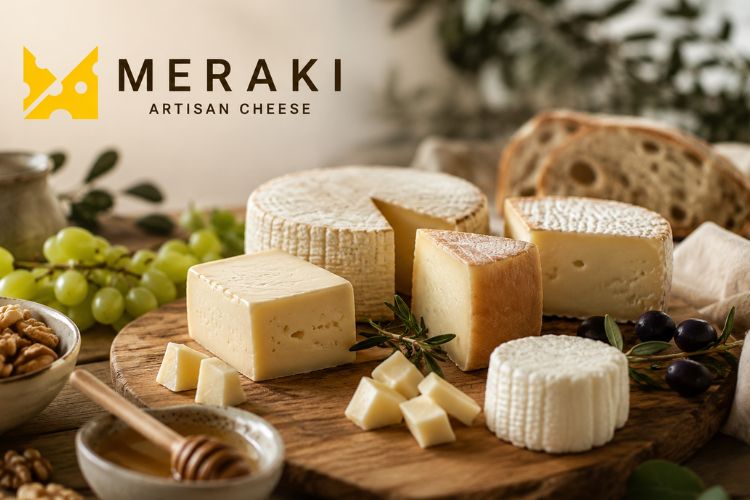
Walk into a specialty food store and you’ll likely notice an entire section dedicated to cheese. Yet for many beginners, the variety can feel overwhelming. Should you choose creamy ricotta, delicate mozzarella, or tangy chèvre? Understanding fresh cheese is easier than it seems, and once you start exploring, a whole new world of flavor opens up.
One of the best places to begin is with Fresh Natural Cheese. Unlike aged varieties that develop flavor over months or years, fresh cheeses are enjoyed shortly after production. Their clean taste, soft texture, and versatility make them ideal for home cooks, food enthusiasts, and anyone curious about artisanal dairy products.
Also Read: The Art of Pairing: Cheese Boards with Fruits, Nuts & More
What Makes Fresh Cheese Different?
Fresh cheese is typically made by curdling milk and separating the curds from the whey. Since these cheeses undergo little or no aging, they retain higher moisture levels and a lighter flavor profile.
According to the Food and Agriculture Organization (FAO), cheese production methods vary globally, but fresh cheeses remain among the most widely consumed dairy products because of their accessibility and adaptability in everyday meals.
Think of fresh cheese as the “just-baked bread” of the cheese world. It’s simple, comforting, and often at its best when enjoyed soon after it’s made.
Popular Fresh Cheese Varieties for Beginners
Mozzarella
Perhaps the most recognizable fresh cheese, mozzarella is loved for its mild flavor and soft, stretchy texture. It works beautifully in salads, sandwiches, pizzas, and appetizers.
Ricotta
Light, fluffy, and slightly sweet, ricotta is incredibly versatile. It can be spread on toast, mixed into pasta dishes, or used in desserts for a creamy finish.
Paneer
A staple in Indian cuisine, paneer holds its shape during cooking and absorbs flavors exceptionally well. It’s a favorite ingredient in curries, grilled dishes, and healthy vegetarian recipes.
Chèvre (Fresh Goat Cheese)
Known for its creamy texture and subtle tanginess, chèvre pairs wonderfully with fruits, herbs, and crusty bread. It’s often recommended for those looking to expand their cheese palate.
How to Choose the Right Fresh Cheese
For beginners, selecting cheese doesn’t need to be complicated. Consider these practical tips:
- Start with mild flavors before exploring stronger varieties.
- Check production dates since freshness significantly affects quality.
- Choose cheeses suited to your intended recipes.
- Buy from trusted artisan producers whenever possible.
- Experiment with small portions before purchasing larger quantities.
Many first-time buyers discover that personal preference plays a bigger role than expert recommendations. Sometimes the best cheese is simply the one you enjoy eating.
The Rise of Artisanal Cheese Culture
Consumer interest in handcrafted food products continues to grow. A report from the Specialty Food Association highlights increasing demand for premium and artisan food categories, including specialty cheeses.
This shift has encouraged more consumers to explore Natural Unprocessed Cheese, which is often produced using traditional methods and carefully sourced ingredients. Many cheese lovers appreciate the transparency, craftsmanship, and unique character that artisanal varieties offer.
Creative Ways to Enjoy Fresh Cheese
Fresh cheese fits effortlessly into everyday meals. Here are a few ideas worth trying:
- Add mozzarella to tomato and basil salads.
- Spread ricotta on sourdough toast with honey.
- Grill paneer cubes with vegetables and spices.
- Pair goat cheese with seasonal fruits and nuts.
- Use fresh cheese in homemade dips and spreads.
These simple combinations often highlight the cheese’s natural texture and flavor without overwhelming it.
Nutritional Benefits of Fresh Cheese
While nutritional values vary by variety, fresh cheeses generally provide important nutrients such as protein, calcium, and essential vitamins. According to the USDA FoodData Central, many cheese varieties contribute valuable nutrients that support bone health and muscle maintenance when consumed as part of a balanced diet.
Moderation remains important, but fresh cheeses can certainly play a role in nutritious eating patterns.
Frequently Asked Questions
What is considered fresh cheese?
Fresh cheese is cheese that is consumed shortly after production and undergoes little or no aging process, resulting in a soft texture and mild flavor.
Is fresh cheese healthier than aged cheese?
Both can be nutritious. Fresh cheeses often contain higher moisture content and milder flavors, while aged cheeses may offer more concentrated nutrients and stronger taste profiles.
How long does fresh cheese stay fresh?
Most fresh cheeses have a shorter shelf life than aged cheeses and should be consumed within the timeframe recommended by the producer.
Which fresh cheese is best for beginners?
Mozzarella, ricotta, and paneer are excellent starting points due to their mild flavors and versatility in everyday cooking.
Also Read: Top Gourmet Cheese Gifts Online for Cheese Lovers
Final Thoughts
Fresh cheese offers a welcoming entry point into the broader world of artisan dairy products. Whether you enjoy creamy mozzarella, delicate ricotta, or versatile paneer, each variety brings its own character to the table. Exploring different fresh cheeses can transform simple meals into memorable culinary experiences.
Blog Development Credits:
This article was planned and inspired by Meraki Artisan Cheese. Research, drafting, and content development leveraged modern AI technologies, while final editing, refinement, and SEO optimization were completed by Meraki Artisan Cheese.