Confidence can change when movement becomes difficult. For someone adapting to limb loss, an injury, or a physical condition, even ordinary activities may suddenly feel unfamiliar. Modern prosthetics and orthotics can offer more than physical support; when properly assessed and fitted, they can help people move with greater comfort, control, and confidence in everyday situations.
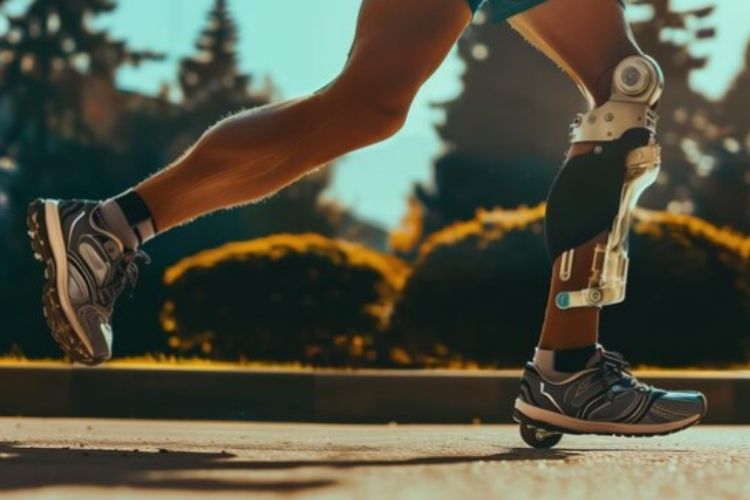
For example, an above knee advanced prosthetic leg may help an individual work toward more natural movement and improved stability. The right solution, however, is never simply about choosing advanced technology. Fit, alignment, rehabilitation, personal goals, and consistent professional guidance all matter.
Why Mobility and Confidence Are Connected
Think about how naturally most people walk into a room, climb stairs, or step over an uneven surface without giving it much thought. When movement becomes challenging, those same activities can require planning and concentration.
That is where well-designed prosthetic and orthotic solutions can make a meaningful difference. Better support may help an individual feel more secure while moving through familiar environments. Over time, that physical reassurance can influence how confidently someone approaches daily activities.
Confidence does not appear overnight, though. It often develops through small victories: taking a longer walk, standing comfortably, returning to work, or participating in a favorite activity again.
How Advanced Prosthetics Can Support Everyday Movement?
Modern prosthetic solutions are designed with different functional requirements in mind. The objective is not necessarily to make a device as complicated as possible. Instead, it should be appropriate for the person’s body, lifestyle, activity level, and goals.
Potential advantages include:
- Improved stability: Appropriate alignment and component selection may help users feel more balanced during movement.
- Greater comfort: A properly fitted socket or device can reduce unnecessary pressure and irritation.
- Functional movement: The right design can support activities such as walking, standing, and navigating everyday spaces.
- Personalized performance: Prosthetic components can be selected according to individual mobility goals rather than a one-size-fits-all approach.
These benefits are closely connected. A device that feels uncomfortable is unlikely to inspire confidence, no matter how advanced its components may be.
The Role of Orthotics in Confidence and Stability
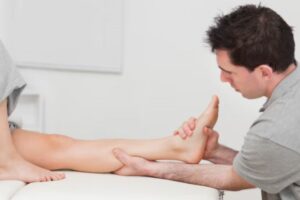
Prosthetics are not the only part of mobility care. Orthotic devices can provide support for areas such as the foot, ankle, knee, or other parts of the body affected by alignment or movement challenges.
For some individuals, an orthosis may help improve positioning or provide additional support during daily activities. That can make movement feel more predictable, which is especially valuable when someone is rebuilding confidence after an injury or dealing with a long-term mobility concern.
Important factors when considering an orthotic device:
- Individual assessment: The device should reflect the person’s physical requirements and movement pattern.
- Comfort and fit: Even technically excellent equipment needs to feel practical during regular use.
- Daily lifestyle: Work demands, walking habits, footwear, hobbies, and activity levels can influence the appropriate design.
- Follow-up: Adjustments may be necessary as comfort, strength, or mobility changes.
Personalization Makes a Real Difference
One person’s ideal mobility solution may be completely unsuitable for someone else. That is why assessment should come before assumptions.
For individuals considering above knee prosthetics, factors such as residual-limb condition, activity level, balance, walking goals, and previous experience with prosthetic devices can all influence the choice.
The fitting process is also important. Small changes in alignment, socket comfort, or component configuration can affect how a person walks and feels while using the device. In practice, successful prosthetic care is often an ongoing process rather than a single appointment.
Confidence Grows Through Rehabilitation
Even an excellent device requires practice. Learning to use a prosthesis or orthosis comfortably can involve strengthening, balance work, gait training, and gradual exposure to different surfaces and activities.
Rehabilitation can help users understand how their device responds in real-world situations. Walking indoors may feel very different from navigating a crowded shop, uneven pavement, or a staircase.
Useful confidence-building steps may include:
- Practicing movement in a controlled environment before tackling challenging surfaces.
- Increasing walking distance gradually rather than rushing progress.
- Learning how to manage common everyday movements such as sitting, standing, and turning.
- Reporting discomfort early so that necessary adjustments can be considered.
For additional perspective on how prosthetic solutions can contribute to everyday quality of life, readers can explore Prosthesis – Hope to Lead a Quality Life.
Technology Is Helpful, but People Matter Too
Advanced components can be impressive, but technology alone does not create confidence. The relationship between the user and the clinical team matters enormously.
Good communication allows concerns to be discussed honestly. Maybe the device feels uncomfortable after several hours. Perhaps walking on slopes remains difficult. Maybe the original goal has changed. These details help professionals refine the solution and rehabilitation plan.
In other words, the best technology is the technology that works for the person using it—not simply the newest option available.
Frequently Asked Questions
1. How can prosthetics and orthotics improve confidence?
When appropriately selected and fitted, these devices can support mobility, stability, and comfort. Feeling more secure during everyday movement may gradually improve confidence.
2. Are advanced prosthetics suitable for everyone?
Not necessarily. The appropriate prosthetic solution depends on individual anatomy, mobility goals, activity level, comfort requirements, and professional assessment.
3. How long does it take to become comfortable with a prosthesis?
The adjustment period varies from person to person. Rehabilitation, gradual practice, proper fitting, and regular follow-up can all support the learning process.
4. Why is professional fitting important?
Proper fitting can influence comfort, alignment, stability, and functional movement. Follow-up adjustments may also be needed as the user adapts or their requirements change.
Final Thoughts
Confidence is rarely built in one dramatic moment. More often, it returns through ordinary achievements walking farther, moving more comfortably, going back to work, or simply feeling less hesitant about tomorrow. Thoughtfully selected prosthetics and orthotics, combined with professional fitting and rehabilitation, can provide valuable support along that journey. The goal is not perfection; it is helping each person move forward with greater comfort and confidence.