
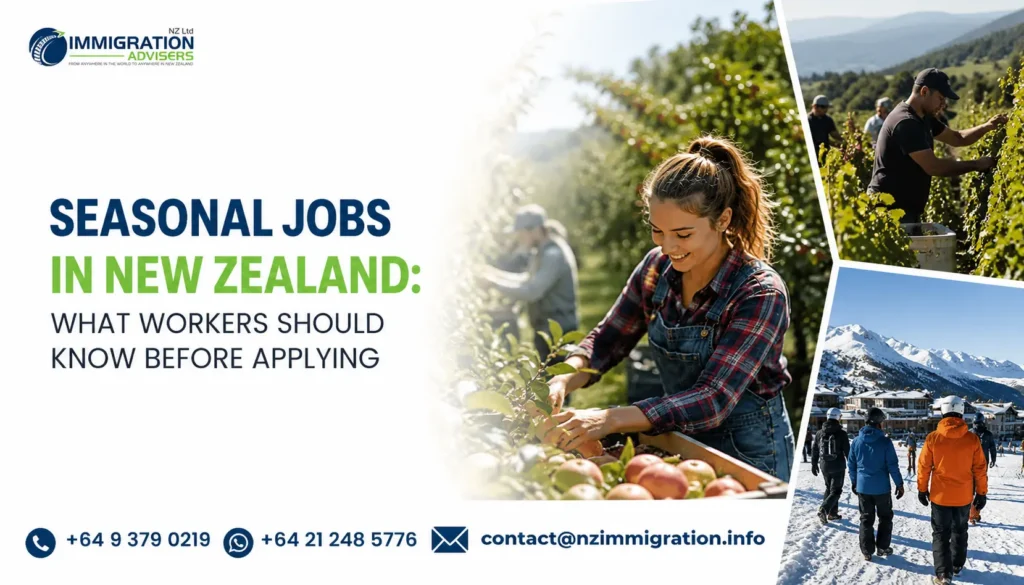
Many people search for a New Zealand Seasonal Work Visa because seasonal jobs can be a practical way to gain international work experience while earning an income. These jobs are often available during busy harvest periods when farms and orchards need extra workers.
However, seasonal work involves more than finding an employer. Understanding visa requirements, job expectations, accommodation, and workplace rights can help you prepare before making any plans.
Understanding the New Zealand Seasonal Work Visa
The term New Zealand Seasonal Work Visa is commonly used to describe visas that allow eligible overseas workers to take up temporary seasonal employment. The exact visa pathway depends on your nationality, employer, and the type of seasonal work available.
Seasonal workers are often employed in industries such as:
- Fruit picking
- Orchard maintenance
- Vineyard work
- Vegetable harvesting
- Packing and processing produce
Many jobs are available during peak growing seasons, which means employment periods may last from a few weeks to several months.
Before applying, it is important to check the latest eligibility rules on the official Immigration New Zealand website because visa policies may change over time.
Skills That Can Make Seasonal Work Easier
Seasonal jobs usually do not require advanced qualifications, but certain skills can make daily work more manageable.
For example:
- Physical fitness for outdoor work
- Ability to follow safety instructions
- Basic English communication
- Reliability and punctuality
- Willingness to work in different weather conditions
Some employers also value previous farming, gardening, or warehouse experience, although many positions provide on-the-job training.
Since seasonal work often depends on weather and crop conditions, flexibility is an advantage.
Planning Your Budget Before You Travel
Many first-time applicants focus only on finding a job. Financial planning is equally important.
Before travelling, consider expenses such as:
- Visa fees
- Airfare
- Travel insurance
- Temporary accommodation
- Daily food costs
- Local transport
Some employers provide accommodation or help workers find nearby housing, while others expect employees to arrange it independently.
Having savings for the first few weeks can reduce financial stress while settling into a new environment.
If you want a broader explanation of visa options, this resource about the seasonal employment visa pathway in New Zealand provides additional background information that may help you understand the process.
Knowing Your Rights at Work
Anyone working under a New Zealand Work Visa should understand basic employment rights.
Workers are generally entitled to:
- A written employment agreement
- Safe working conditions
- Fair wages
- Rest and meal breaks
- Protection from workplace discrimination
Reading your employment contract carefully before signing is always a sensible step.
If you have questions after arriving, official government agencies provide information about workplace standards and employee rights.
Common Challenges Seasonal Workers Face
Every temporary job comes with adjustments. Seasonal employment is no different.
Some common challenges include:
- Early morning work schedules
- Physically demanding tasks
- Weather interruptions
- Temporary accommodation
- Working with multicultural teams
Many workers say the experience becomes easier after the first few weeks as they become familiar with routines and local workplaces.
Good preparation can make the transition much smoother.
Frequently Asked Questions
1. Do I need previous farming experience?
Not always. Many employers provide training for entry-level seasonal positions, although related experience may improve your chances.
2. How long can seasonal employment last?
The duration depends on the visa conditions, employer needs, and harvest season. Some positions last several weeks, while others continue for several months.
3. Where can I verify current visa requirements?
The most reliable source is Immigration New Zealand, which publishes official information about visa eligibility, application requirements, and policy updates.
Conclusion
Choosing a New Zealand Seasonal Work Visa can be an opportunity to experience rural life, develop practical skills, and work in one of New Zealand’s important agricultural industries. Preparing in advance, understanding visa requirements, and learning about workplace expectations can help make the experience more rewarding.
Also Read : Trusted NZ Immigration Solutions for Your Future