Muscle tension has become almost unavoidable in modern life. Long desk hours, stress, travel, and repetitive physical work can leave the body feeling stiff and overworked. Many business owners know this firsthand—whether running meetings all day or managing operations on the ground. So, can cupping actually help loosen those tight muscles? The short answer: yes, in many cases, it can.
At Abhyangga, many clients explore Ventosa Cupping Massage Therapy as a natural way to reduce muscle tightness, improve circulation, and support recovery. While it may look unusual at first glance, the therapy has been practiced for centuries and continues to gain attention in wellness spaces worldwide.
What Exactly Causes Muscle Tension?
Muscle tension rarely appears without a reason. Sometimes it builds slowly, almost unnoticed, until one morning your neck feels locked or your shoulders feel like concrete.
Common triggers include:
- Poor posture: Sitting for long hours compresses muscles around the neck and lower back.
- Stress: Emotional pressure often shows up physically in the shoulders and jaw.
- Overuse: Repetitive lifting, walking, or exercise creates micro-fatigue.
- Reduced circulation: Limited movement can slow nutrient delivery to tissues.
According to the CDC, musculoskeletal discomfort caused by repetitive movement and poor ergonomics remains one of the most common workplace-related health concerns. That matters for both B2B employers and B2C service providers because physical discomfort directly affects productivity and focus.
How Ventosa Cupping Works on Tight Muscles?
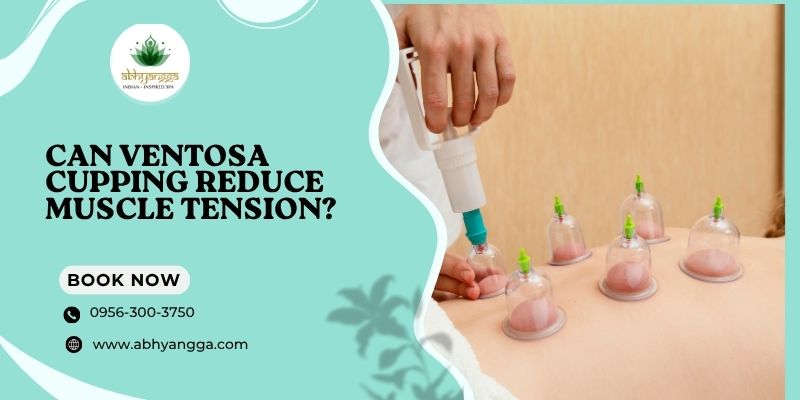
Ventosa cupping uses suction cups placed strategically on the skin to create negative pressure. Instead of pushing into muscles like a deep tissue massage, it gently lifts the tissue upward.
That lifting action may help in several ways:
- Encourages better blood flow to tense areas
- Supports lymphatic drainage
- Helps loosen fascia and connective tissue restrictions
- Promotes relaxation in overworked muscles
Think of a stubborn knot in your shoulder like tightly packed fabric. Traditional massage presses downward to loosen it. Ventosa works differently—it lifts and decompresses the tissue. For many people, that feels surprisingly relieving.
Can It Really Reduce Muscle Tension?
In many cases, yes—but with an important nuance. Ventosa isn’t magic, and results depend on the cause of your tension.
If muscle tightness comes from stress, overuse, or mild circulation issues, cupping often provides noticeable relief. Clients commonly report:
- Softer, less rigid muscles
- Improved mobility
- Reduced heaviness in shoulders and back
- Better overall relaxation
A review published by the National Center for Biotechnology Information (NCBI) noted that cupping therapy may help reduce pain and improve function for certain musculoskeletal conditions, although more large-scale research is still needed.
Why Business Owners Are Paying Attention?
This might sound surprising, but wellness therapies like cupping are no longer niche. B2B and B2C business owners increasingly understand that physical recovery influences performance.
Consider these real-world examples:
For B2B Business Owners
- Office teams experience neck and back stiffness from screen-heavy work.
- Wellness programs improve employee satisfaction.
- Reduced physical discomfort can support productivity.
For B2C Business Owners
- Retail staff stand for long hours.
- Salon professionals use repetitive arm movements.
- Hospitality teams often deal with physical fatigue.
That is one reason wellness-focused services, including a trusted Spa In Cebu City, continue attracting professionals who want recovery without relying solely on medication.
When Ventosa May Help the Most
Not every ache needs the same solution. Ventosa often works best for:
- Shoulder tightness
- Upper back stiffness
- Neck tension
- Post-workout soreness
- Chronic muscular fatigue
If your tension is concentrated around the spine or upper body, reading How Cupping Targets Chronic Back and Neck Pain can provide additional insight into why suction therapy is increasingly recommended for these areas.
What to Expect During a Session
First-timers often worry: “Will it hurt?” Usually, no. Most describe it as an unusual pulling sensation rather than pain.
A typical session includes:
- Consultation and body assessment
- Cup placement on targeted areas
- Suction application for several minutes
- Post-treatment relaxation
You may notice circular marks afterward. These are temporary and usually fade within days. They are not bruises in the traditional sense but a result of suction drawing blood closer to the surface.
FAQ
How long does muscle tension relief last after Ventosa?
Relief can last from a few days to several weeks depending on lifestyle, posture, and stress levels.
Is Ventosa safe for everyone?
Most healthy adults can try it, but people with skin conditions, blood disorders, or certain medical issues should consult a healthcare professional first.
How many sessions are recommended?
Some people feel relief after one session, while chronic tension may need multiple treatments.
Does cupping replace massage therapy?
Not necessarily. Many people combine cupping with massage, stretching, and mobility exercises for better results.
Final Thoughts
Muscle tension can quietly drain energy, focus, and productivity—something no business owner can afford for long. Ventosa cupping offers a practical, natural option for easing tight muscles and supporting recovery. While it is not a cure-all, many people find it highly effective for stress-related stiffness and chronic muscular tension. Sometimes, giving your body space to release is exactly what it needs.
Full Audio Version: Click Here