Curious about the dark circular marks often seen on athletes or wellness enthusiasts? While opinions about cupping vary widely, separating myths from reality is essential before making assumptions. At Abhyangga, we believe informed decisions create better wellness experiences. Understanding what science, tradition, and professional practice actually say can help individuals and businesses appreciate the value of this time-tested therapy.
One of the most talked-about holistic treatments today is Ventosa Cupping Massage Therapy. Rooted in centuries of traditional healing, it has gained renewed popularity among people seeking natural ways to relax muscles, improve circulation, and support recovery. Yet, despite its growing acceptance, several myths continue to cloud its reputation.
Why Do So Many Myths Exist?
Alternative wellness therapies often become surrounded by misconceptions because they combine traditional practices with modern applications. Social media images, celebrity endorsements, and incomplete information can make treatments appear mysterious or exaggerated. The truth usually lies somewhere between unrealistic expectations and unfair criticism.
For wellness centers, spa owners, healthcare partners, and individual clients, understanding the facts helps build confidence and realistic expectations.
Common Myths vs Facts About Ventosa Cupping
Myth 1: The Marks Mean Skin Damage
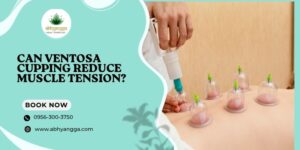
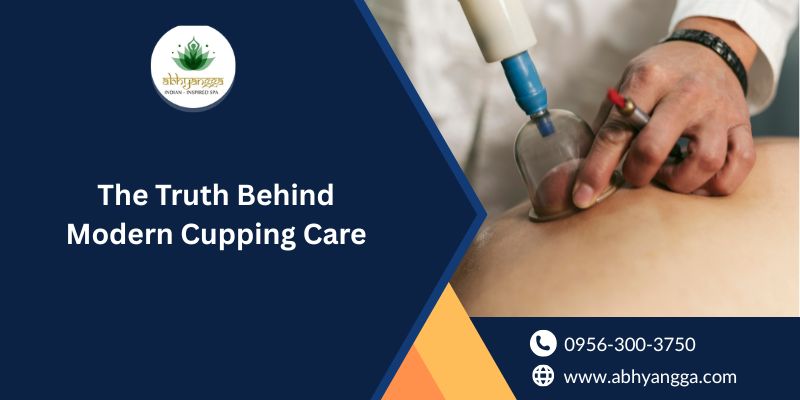
Fact: The circular marks are generally temporary and are not bruises in the traditional sense. They appear because suction draws blood toward the skin’s surface, improving local circulation. Their intensity depends on skin sensitivity and the treatment area, and they usually fade within several days.
Myth 2: Cupping Is Painful
Fact: Most people describe the sensation as gentle pressure or pulling rather than pain. When performed by trained professionals, the treatment is typically relaxing. Communication between therapist and client ensures the suction remains comfortable throughout the session.
Myth 3: It Works Instantly for Every Condition
Fact: No wellness therapy offers identical results for everyone. Factors such as lifestyle, overall health, hydration, stress levels, and the nature of discomfort all influence outcomes. Many clients experience gradual improvements after multiple sessions combined with healthy habits.
Myth 4: Only Athletes Benefit
Fact: While professional athletes have increased public awareness, office workers, entrepreneurs, busy parents, and seniors also seek cupping for muscle tension, stress management, and relaxation. It has become part of many holistic wellness routines.
What Current Research Suggests?
Scientific research continues to explore the effectiveness of cupping therapy for pain management and musculoskeletal conditions. The National Center for Complementary and Integrative Health (NCCIH) explains that evidence is still developing, although some studies suggest potential benefits for certain types of pain. Likewise, the World Health Organization (WHO) recognizes traditional medicine as an important component of healthcare systems worldwide while encouraging continued scientific evaluation.
- Research supports ongoing investigation rather than exaggerated claims.
- Professional assessment remains essential before beginning therapy.
- Cupping works best as part of a broader wellness strategy.
Choosing Professional Care Matters
Whether you’re a wellness business owner expanding your services or someone seeking better physical recovery, choosing experienced practitioners makes all the difference. Professional therapists understand cup placement, suction levels, hygiene standards, and individual health considerations.
Many clients exploring Ventosa Cupping Massage In Cebu appreciate personalized treatment plans instead of one-size-fits-all sessions. This individualized approach often creates a safer and more satisfying wellness experience.
When Can Ventosa Cupping Be Helpful?
Although it isn’t a replacement for medical care, many people include cupping in their wellness routines for supportive care.
- Reducing everyday muscle tightness
- Supporting post-workout recovery
- Promoting relaxation during stressful periods
- Improving overall body mobility
- Complementing massage therapy and stretching
Individuals experiencing persistent discomfort may also find value in learning more about How Cupping Targets Chronic Back and Neck Pain as part of a broader wellness strategy.
Tips Before Booking Your First Session
- Choose a certified and experienced therapist.
- Discuss your medical history honestly.
- Stay hydrated before and after treatment.
- Avoid expecting overnight miracles.
- Combine therapy with healthy movement and good sleep habits.
Additional relevant wellness keywords naturally associated with this topic include traditional cupping therapy, holistic massage therapy, and muscle recovery massage.
Frequently Asked Questions
Is Ventosa Cupping Massage safe?
Yes. When performed by trained professionals using proper hygiene and techniques, it is generally considered safe for suitable candidates.
How long do cupping marks usually last?
Most marks fade naturally within a few days to about two weeks, depending on individual skin response.
Can I combine cupping with massage therapy?
Absolutely. Many therapists combine both techniques to enhance relaxation and improve muscle recovery.
Who should avoid cupping therapy?
People with certain medical conditions, skin infections, bleeding disorders, or pregnancy-related concerns should consult a qualified healthcare provider before treatment.
Final Thoughts
Separating myths from facts helps people make smarter wellness choices. At Abhyangga, education is just as important as treatment. Ventosa Cupping Massage Therapy isn’t magic, nor is it a myth—it is a traditional practice that, when delivered professionally and paired with realistic expectations, can become a valuable part of a modern wellness routine for both businesses and individual clients.
Full Audio Version: Click Here