
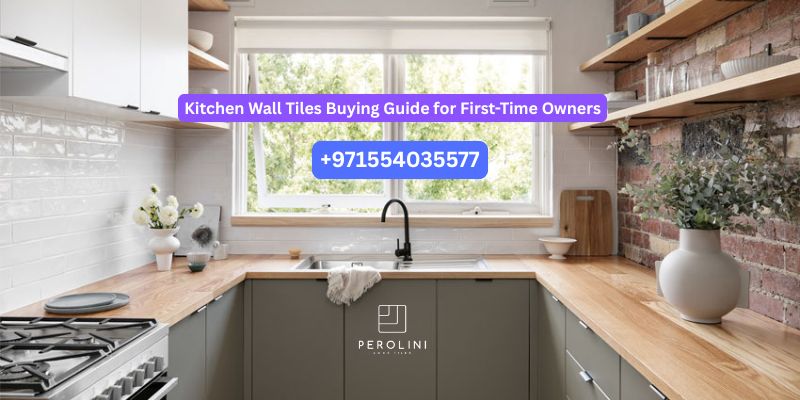
Choosing kitchen wall tiles for the first time can feel surprisingly overwhelming. One showroom visit and suddenly you’re comparing finishes, sizes, grout colors, and prices like a full-time designer. Whether you’re renovating a retail project, hospitality kitchen, or your own home, the right tile choice affects durability, hygiene, and long-term value.
For first-time buyers, understanding material, finish, and maintenance is essential before investing in your ideal Tile Kitchen Wall design. A kitchen isn’t just about cooking anymore—it’s often the social heart of a property, which means style and functionality need to work together.
Why Kitchen Wall Tiles Matter More Than You Think?
Many buyers focus heavily on countertops and cabinets while treating wall tiles as an afterthought. That can be expensive later. Kitchen walls deal with heat, grease, moisture, and regular cleaning. According to the U.S. Environmental Protection Agency, moisture control plays a major role in preventing indoor mold and surface damage.
Good kitchen tiles help with:
- Easy cleaning after spills and oil splashes
- Better resistance against moisture and stains
- Long-term protection for wall surfaces
- Enhanced visual appeal and resale value
For B2B buyers such as builders, architects, and interior suppliers, tile selection also impacts project timelines and client satisfaction.
Start with Material Selection
1. Ceramic Tiles
Still one of the most popular choices, Ceramic Tiles offer affordability, design variety, and low maintenance. They’re ideal for residential kitchens and light commercial use.
2. Porcelain Tiles
Porcelain is denser and more water-resistant than standard ceramic. If durability is your top concern, this is a strong option for high-traffic spaces.
3. Glass or Decorative Tiles
These work beautifully as backsplashes. They reflect light and make compact kitchens feel larger, though they may require more careful cleaning.
Pro tip: If you run a tile showroom or construction business, keeping all three categories helps address wider client budgets.
Choose the Right Finish
Finish affects both aesthetics and maintenance. This is where many first-time owners make avoidable mistakes.
- Glossy Finish: Reflects light, brightens small kitchens, easier to wipe clean
- Matte Finish: Modern appearance, hides smudges better
- Textured Finish: Adds depth but can trap grease in cooking-heavy zones
In practical terms? Glossy often works best behind stovetops.
Think About Tile Size and Layout
Tile size can dramatically change how spacious a kitchen feels.
- Large tiles: Fewer grout lines, cleaner appearance
- Subway tiles: Timeless and versatile
- Mosaic patterns: Best for accents or premium projects
Interestingly, the National Kitchen & Bath Association notes that modern kitchen remodels increasingly prioritize seamless surfaces and easy maintenance.
Larger tiles are especially popular in contemporary commercial kitchens and luxury homes.
Don’t Ignore Grout Quality
Here’s something experienced contractors always mention: tiles get the attention, but grout determines longevity.
Cheap grout can discolor, crack, or absorb stains. High-quality epoxy or stain-resistant grout is worth the upgrade, especially in busy kitchens.
Even premium Ceramic Wall Tiles can lose appeal if grout lines age poorly.
Match Tiles with Your Kitchen Style
Your tiles should complement cabinets, countertops, and lighting.
- Minimal kitchens: Neutral whites, greys, beige
- Luxury kitchens: Marble-look tiles, metallic accents
- Retail or commercial kitchens: Durable neutral finishes
A small personal observation—buyers often regret chasing trends too aggressively. Timeless designs usually age better and appeal to future buyers or clients.
Budget Beyond Tile Price
First-time buyers often calculate only per-square-meter tile costs. That’s incomplete.
Also include:
- Adhesive costs
- Grout
- Installation labor
- Cutting wastage (typically 5–10%)
- Maintenance costs
A slightly higher upfront investment can save significant replacement costs later.
FAQs
Which tile is best for kitchen walls?
Ceramic and porcelain tiles are usually best due to durability, easy cleaning, and moisture resistance.
Are glossy kitchen tiles better than matte?
Glossy tiles are easier to clean, while matte tiles hide fingerprints and offer a modern look.
How much extra tile should I buy?
Buy 5–10% extra to account for cuts, breakage, and future repairs.
Do kitchen wall tiles increase property value?
Yes. Well-chosen tiles improve aesthetics, durability, and buyer perception, helping boost resale appeal.
Final Thoughts
Buying kitchen wall tiles for the first time doesn’t need to feel complicated. Focus on material quality, finish, grout, and overall style balance. Whether you’re sourcing for a residential upgrade or a commercial project, smart tile choices deliver beauty and performance for years. Choose wisely, and your kitchen walls will do far more than just look good.
Full Audio Version: Click Here