Buying safety shoes in bulk is more than comparing prices. Procurement teams in Saudi Arabia need footwear that meets workplace hazards, complies with safety standards, fits employees comfortably, and delivers long-term value. Choosing reliable safety shoes wholesale suppliers helps reduce replacement costs, improve worker safety, and simplify inventory management across industrial operations.
Whether you’re sourcing footwear for construction projects, oil and gas facilities, manufacturing plants, logistics hubs, or warehousing operations, a structured procurement strategy ensures your investment protects both your workforce and your budget.
What Is Bulk Safety Shoe Procurement?
Definition: Bulk safety shoe procurement is the process of purchasing protective footwear in large quantities for employees while ensuring the products meet safety regulations, job-specific hazards, quality expectations, and organizational budgets.
Unlike individual purchases, bulk procurement requires careful planning because one wrong decision can affect hundreds of workers. The best procurement teams evaluate product performance over its entire service life rather than focusing only on the purchase price.
Why Is Choosing the Right Supplier Important?
A dependable supplier becomes a long-term partner instead of simply fulfilling an order. In Saudi Arabia’s demanding industrial environments, footwear must withstand heat, abrasive surfaces, heavy equipment, and extended working hours.
Reliable suppliers typically offer:
- Consistent product quality across every batch
- Stable inventory for repeat orders
- Compliance documentation and certifications
- Multiple size availability
- After-sales support and warranty assistance
This consistency minimizes procurement risks and helps maintain uninterrupted operations.
How Should Procurement Teams Evaluate Safety Shoe Requirements?
Step 1: Identify Workplace Hazards
Different industries expose workers to different risks. Construction sites may require impact resistance, while chemical facilities prioritize slip-resistant and chemical-resistant materials.
Step 2: Match Shoes to Job Roles
Employees performing different tasks rarely need identical footwear. Maintenance technicians, forklift operators, welders, warehouse staff, and field engineers often require different safety features.
Step 3: Verify Safety Standards
Always request documentation confirming that the footwear complies with recognized international or regional safety standards applicable to your industry.
Step 4: Evaluate Comfort
Workers spend long shifts on their feet. Comfortable footwear reduces fatigue, improves productivity, and increases the likelihood that employees consistently wear their protective equipment.
Which Features Should Never Be Compromised?
When comparing options, focus on features that directly affect workplace safety and product lifespan instead of cosmetic design.
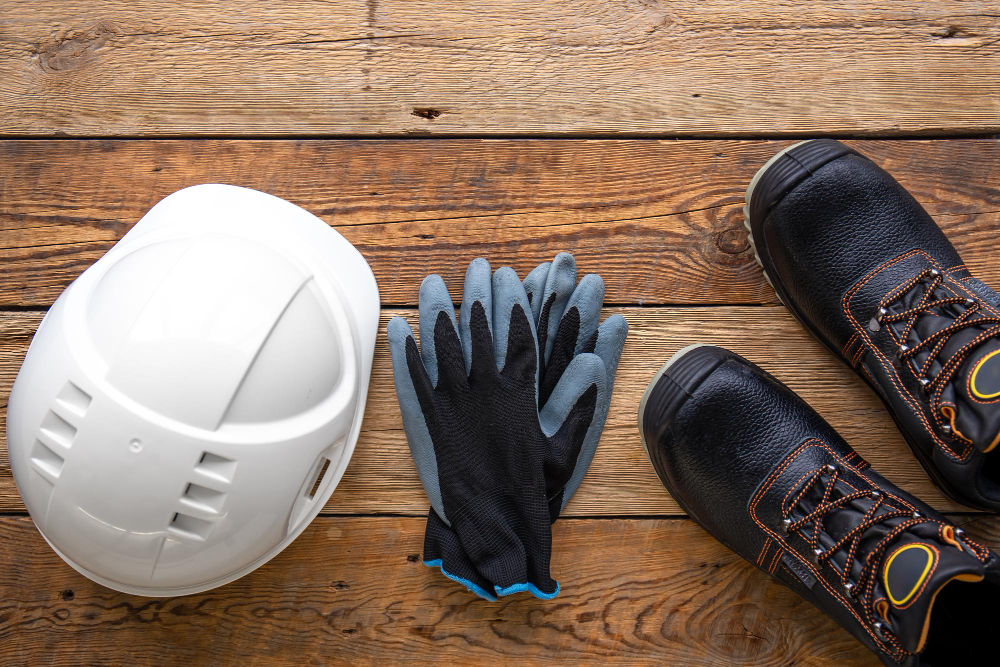
- Steel or composite toe protection
- Slip-resistant outsole
- Puncture-resistant midsole
- Heat-resistant sole
- Breathable upper materials
- Oil and fuel resistance
- Shock absorption
- Durable stitching and reinforced construction
These features provide greater value because they reduce workplace injuries and extend replacement intervals.
How Can Bulk Buyers Reduce Long-Term Costs?
Many procurement departments focus heavily on the lowest quotation. In reality, the total cost of ownership matters far more.
Lower-quality footwear often leads to:
- More frequent replacements
- Higher employee complaints
- Reduced productivity
- Increased downtime
- Higher inventory management costs
Investing in premium safety shoes frequently results in lower annual procurement expenses because the products last longer and perform more reliably.
Common Mistakes Procurement Teams Should Avoid
Even experienced purchasing professionals occasionally overlook factors that affect long-term success.
- Selecting products based only on price
- Ordering without conducting wear trials
- Ignoring employee feedback
- Purchasing one shoe type for every department
- Failing to confirm size availability
- Not planning for future inventory requirements
A short product evaluation with workers before placing a large order often prevents expensive purchasing mistakes.
Why Employee Comfort Matters as Much as Protection?
Safety footwear performs best when employees actually want to wear it. Poorly fitting shoes contribute to foot pain, fatigue, and reduced concentration, especially during long outdoor shifts common throughout Saudi Arabia.
Comfort improves compliance, and better compliance naturally supports safer workplaces.
If your teams regularly work around heavy equipment, the guide Why Choose the Right Footwear for Heavy Machinery Operations? provides additional insights into selecting footwear for high-risk environments.
Practical Checklist Before Placing a Bulk Order
Before approving any purchase, verify the following:
- Hazard assessment completed
- Correct footwear specifications identified
- Safety certifications verified
- Supplier reliability evaluated
- Size distribution confirmed
- Sample testing completed
- Warranty and replacement policy reviewed
- Delivery schedule aligned with project timelines
This checklist helps procurement teams avoid delays while ensuring workers receive suitable personal protective equipment (PPE).
Frequently Asked Questions
1. How many safety shoes should companies order at one time?
Most organizations order based on workforce size, expected employee growth, replacement cycles, and emergency stock requirements rather than purchasing only the exact number currently needed.
2. What is the biggest factor when choosing bulk safety shoes?
The best choice balances safety compliance, durability, worker comfort, and total lifecycle cost instead of focusing solely on the purchase price.
3. Should every employee receive the same type of safety shoe?
No. Different job roles involve different hazards, so footwear should match the specific risks associated with each task.
4. Why are wear trials recommended before large purchases?
Wear trials allow employees to evaluate comfort, durability, and performance in real working conditions before a company commits to a significant investment.
5. How often should industrial safety shoes be replaced?
Replacement depends on usage intensity, workplace conditions, visible wear, and manufacturer recommendations. Regular inspections help determine the right replacement schedule.
Conclusion
Successful bulk safety shoe procurement isn’t about buying the cheapest option-it’s about making informed decisions that protect employees while delivering long-term value. By assessing workplace hazards, verifying quality, prioritizing comfort, and partnering with dependable suppliers, industrial procurement teams in Saudi Arabia can build a safer, more cost-efficient workplace for years to come.
Full Audio: Listen Here