What makes an outdoor area feel inviting rather than simply functional? Often, it starts under your feet. The right tile can turn a plain balcony into a relaxing retreat, give a garden path more character, or make a patio feel like an extension of your living room. But outdoors, beauty has to work alongside durability, safety, and weather resistance.
That is where carefully chosen Outdoor Tiles make a real difference. Unlike indoor flooring, exterior surfaces have to deal with sunlight, moisture, dust, temperature changes, and everyday foot traffic. So, before choosing a colour simply because it looks great in a showroom, it pays to consider how the tile will actually behave outside.
What Makes a Good Outdoor Tile?
Outdoor flooring needs to be practical first, but that does not mean it has to look boring. Porcelain, textured ceramic, natural stone-look tiles, and other purpose-designed exterior options can offer a useful balance between appearance and performance.
For patios and balconies, look for tiles with a textured or slip-resistant surface. A slightly grippy finish can provide better footing when rain or accidental spills make the floor wet. For garden areas, durability and easy maintenance become especially important because soil, leaves, and outdoor debris are unavoidable.
As a practical rule, consider these points before making a purchase:
- Water resistance: Particularly important for balconies, patios, and uncovered areas.
- Slip resistance: A textured surface can offer better traction than a highly polished finish.
- Durability: Choose a product designed to withstand the demands of outdoor use.
- Maintenance: Easy-to-clean surfaces are a blessing when dust and garden debris accumulate.
Best Outdoor Tiles for Patios
A patio usually acts as an outdoor living room. It might host weekend breakfasts, evening conversations, children’s playtime, or the occasional barbecue. That makes the flooring both a design feature and a hardworking surface.
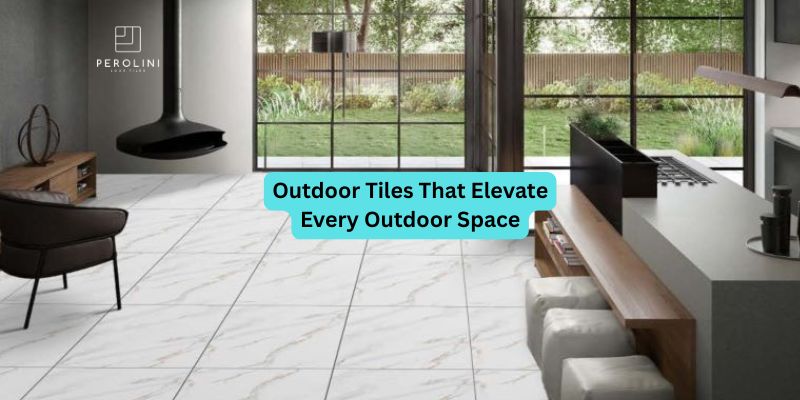
Large-format porcelain tiles are a popular choice for contemporary patios because fewer grout lines can create a cleaner visual flow. Stone-inspired finishes can also add warmth without making the space feel overly formal. If your patio connects directly to an indoor room, matching or coordinating the colours can create a surprisingly seamless transition.
For a More Natural Look
Wood-effect and natural-stone-effect tiles are worth considering when you want an earthy atmosphere. They can bring visual warmth to a concrete-heavy outdoor setting while remaining easier to maintain than some natural materials.
Choosing Tiles for Gardens and Walkways
Garden flooring has a slightly different personality. Here, the goal is often to complement plants, landscaping, and natural textures rather than compete with them. Muted stone shades, earthy tones, and textured finishes tend to sit comfortably within greenery.
For pathways, think about the route people will actually take. A narrow walkway with very smooth tiles may become inconvenient during wet weather, while a suitably textured surface can provide a more secure feel underfoot.
- Map the space: Identify high-traffic paths, seating areas, and zones exposed to rain.
- Consider the surroundings: Coordinate tile colours with walls, plants, furniture, and landscaping.
- Think beyond installation day: Choose a finish that will still look appealing after regular cleaning and outdoor exposure.
Balcony Tiles: Style Meets Practicality
Balconies are often compact, which means flooring can have a surprisingly strong visual impact. A well-chosen tile can make a small space appear more cohesive and intentional.
Light and medium neutral shades can help create an airy atmosphere, while patterned tiles can introduce personality without requiring much furniture. If you’re exploring broader tile choices, ceramic tiles Abu Dhabi options can also provide inspiration for combining colour, texture, and contemporary design.
One detail that is easy to overlook is drainage. On an exposed balcony, water needs a clear route away from the surface. Your tile selection should therefore be considered alongside the balcony’s slope, waterproofing, grout, and overall installation system.
Outdoor Tile Trends Worth Considering
Outdoor design is increasingly moving toward a more connected indoor-outdoor aesthetic. Instead of treating the patio or balcony as a completely separate zone, homeowners are using similar colours, textures, and visual patterns throughout the property.
Some practical trends worth exploring include:
- Stone-inspired finishes for a relaxed, natural appearance.
- Large-format tiles for a contemporary look with fewer visible joints.
- Wood-look surfaces for warmth without the upkeep associated with traditional timber.
- Subtle geometric patterns for balconies and smaller entertaining spaces.
If you’re refreshing the wider look of your property, flooring does not have to work alone. Wall finishes, colours, and textures can reinforce the same design language. For inspiration, explore The Best Wall Finishes for Achieving a Contemporary Look.
Frequently Asked Questions
1. Which tiles are best for outdoor patios?
Porcelain and other tiles specifically manufactured for exterior applications are commonly considered for patios because they can combine durability, low maintenance, and attractive finishes. Always check the manufacturer’s suitability and installation recommendations.
2. Are outdoor tiles suitable for balconies?
Yes, provided they are appropriate for exterior use and installed correctly. Pay particular attention to slip resistance, water management, waterproofing, and the existing balcony structure.
3. Are textured outdoor tiles difficult to clean?
Not necessarily. Many textured exterior tiles are designed for practical maintenance. However, deeper textures can hold more dirt, so regular sweeping and suitable cleaning will help keep the surface looking fresh.
4. Should outdoor tiles be light or dark?
There is no single right answer. Light shades can create an open, airy appearance, while darker tones can provide contrast and hide some everyday dirt. Consider sunlight, surrounding colours, and the overall atmosphere you want to create.
Final Thoughts
The best outdoor tile is not simply the one that catches your eye first. It is the one that fits the space, handles the local conditions, complements your design, and remains practical long after installation. Whether you’re upgrading a patio, refreshing a balcony, or creating a garden pathway, taking a little time to compare surfaces, textures, colours, and performance can make the finished space feel considerably more thoughtful.
Full Audio Version: Click Here