
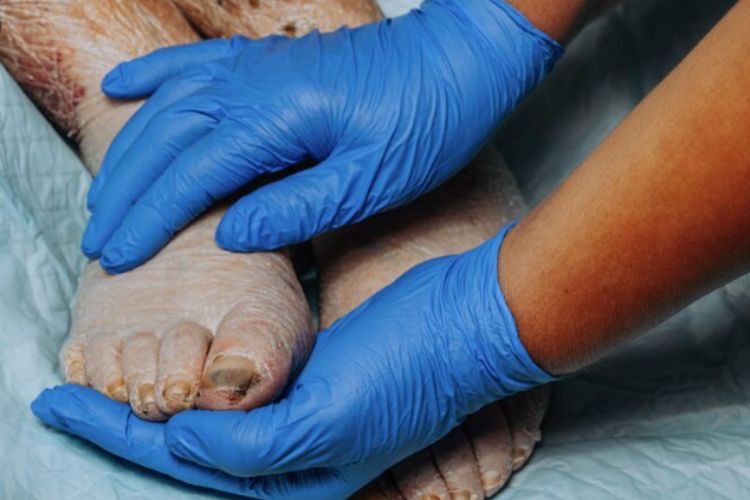
Diabetic foot problems often begin quietly a small cut, a blister, or even unnoticed pressure on the skin. But for people living with diabetes, these minor issues can escalate faster than expected. In India, where diabetes cases are rising steadily, awareness around advanced treatment options is becoming more important than ever.
Modern healthcare has significantly improved access to diabetic foot ulcer treatment in India, offering patients a better chance at recovery without major complications when treated early and correctly.
Understanding Why Diabetic Foot Ulcers Happen?
At its core, a diabetic foot ulcer is caused by poor circulation, nerve damage (neuropathy), and delayed wound healing. The tricky part is that many patients don’t feel pain due to reduced sensation, so wounds often go unnoticed until infection sets in.
According to the Centers for Disease Control and Prevention (CDC), nearly 15% of diabetic patients may develop foot ulcers at some point in their lives. This makes early care not just helpful—but essential.
Common risk factors include:
- Long-term uncontrolled blood sugar levels
- Poor foot hygiene or unnoticed injuries
- Wearing tight or inappropriate footwear
Modern Treatment Approaches in India
India has seen significant advancements in wound care technology and diabetic management. Today, treatment is not limited to dressing wounds it involves a structured healing strategy combining medical, surgical, and lifestyle interventions.
Specialized clinics now offer integrated care, ensuring faster recovery and reduced risk of amputation in severe cases. Early diagnosis remains the strongest tool in successful treatment.
Key treatment options commonly used:
- Debridement (removal of dead tissue to promote healing)
- Antibiotic therapy for infection control
- Pressure offloading techniques using special footwear
- Advanced wound dressings and negative pressure therapy
Advanced Wound Care and Medical Support
One of the most important steps in recovery is proper wound management. Without it, even small ulcers can worsen. Clinics offering structured care ensure that infections are controlled and healing conditions are optimized.
This is where diabetic foot wound treatment plays a crucial role focusing on cleaning, protecting, and stimulating tissue regeneration using modern medical techniques.
In many cases, doctors also combine glucose control strategies with wound therapy, because healing is always faster when blood sugar levels are stable.
Supportive care often includes:
- Regular blood sugar monitoring and adjustment
- Customized dressing schedules for wound protection
- Patient education on daily foot inspection habits
Prevention Still Beats Treatment
While treatment options are highly effective today, prevention remains the most powerful approach. A simple daily routine can significantly reduce the risk of developing serious ulcers.
Many specialists emphasize that patients should treat their feet with the same attention they give to their diet or medication it’s all interconnected.
Simple preventive habits:
- Inspect feet daily for cuts or color changes
- Keep feet clean and moisturized (but not between toes)
- Wear well-fitted, soft protective footwear
Why Early Treatment Makes a Big Difference?
Delaying treatment is often where complications begin. A small ulcer can become infected within days if ignored. Early intervention not only improves healing speed but also reduces the chances of hospitalization.
In many Indian healthcare setups, awareness campaigns are helping patients recognize early signs and seek timely care, which has already shown improved recovery outcomes in several studies.
Frequently Asked Questions
1. Can diabetic foot ulcers be completely cured?
Yes, with early and proper treatment, many diabetic foot ulcers heal completely, especially when blood sugar is controlled.
2. How long does healing usually take?
Healing time varies depending on severity, but mild cases may improve in weeks while severe infections can take longer.
3. Is surgery always required for diabetic foot ulcers?
No, most cases are treated without surgery unless there is severe infection or tissue damage.
4. What is the most important factor in recovery?
Blood sugar control combined with proper wound care is the most critical factor in healing.
Final Thoughts
Diabetic foot ulcers may sound serious and they are but the good news is that modern treatment in India has made recovery more achievable than ever. With early care, proper guidance, and consistent monitoring, patients can avoid complications and maintain a good quality of life. The key is not to wait for pain or infection to escalate.