Power transmission is one of those industries people rarely think about—until something fails. Behind every stable grid, however, sits a network of carefully engineered components working quietly in extreme weather, pollution, and voltage conditions. That’s exactly why global buyers are increasingly turning toward Indian suppliers for dependable ceramic and organic insulation products.
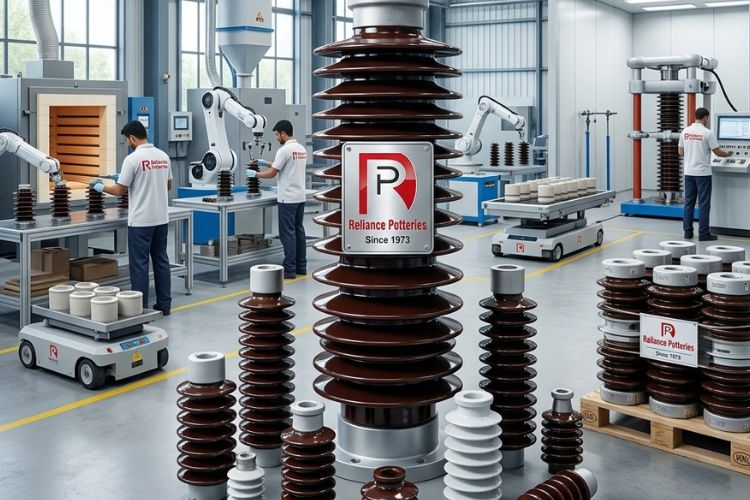
Over the last decade, Electrical Insulator Manufacturers in India have built a strong reputation for balancing affordability, durability, and export-grade quality standards. From utility projects in Southeast Asia to industrial installations in the Middle East and Africa, Indian exporters are steadily becoming trusted long-term partners rather than just low-cost suppliers.
Also Read: How Thermal Insulators in EV Batteries Enhance Safety and Performance
Why Global Buyers Prefer Indian Insulator Exporters
India’s manufacturing ecosystem has matured rapidly. Earlier, international buyers mainly sourced insulators from Europe or East Asia. Today, Indian exporters compete confidently because they combine technical expertise with flexible production capabilities. More importantly, many manufacturers now comply with international testing benchmarks like IEC and ANSI standards.
According to data published by the International Energy Agency (IEA), electricity demand in developing economies continues to rise sharply due to industrial expansion and urban growth. That surge naturally increases demand for high-voltage transmission infrastructure and reliable insulation systems.
Key strengths of Indian exporters include:
- Competitive manufacturing costs without sacrificing product quality.
- Customization capabilities for voltage-specific and climate-specific applications.
- Improved export logistics through modern ports and supply-chain networks.
- Strong raw material sourcing for ceramic and organic insulating components.
Interestingly, many overseas contractors now value consistency more than pricing alone. A slightly cheaper insulator that cracks under thermal stress can create enormous operational downtime. Trusted Indian exporters understand this reality very well.
The Growing Demand for Organic Electrical Insulators
Traditional porcelain insulators still dominate many sectors, but organic electrical insulators are gaining attention because they offer lighter weight, better contamination resistance, and easier installation. Silicone rubber-based insulation systems, in particular, are increasingly used in coastal and industrial environments where pollution levels remain high.
In practical terms, lighter insulators reduce tower load and simplify maintenance. For large-scale utility operators, that translates into lower long-term operational costs. It may sound like a small engineering adjustment, yet the financial impact across hundreds of transmission towers becomes substantial.
Industries actively importing organic insulators:
- Power transmission and distribution companies
- Railway electrification projects
- Thermal and renewable power plants
- Heavy industrial processing facilities
- Electrostatic precipitator systems
A report shared by the World Bank highlights how expanding energy infrastructure across emerging economies continues to create opportunities for electrical component exporters. Indian manufacturers are strategically positioned to benefit from that momentum.
Quality Standards Matter More Than Marketing
One thing experienced buyers quickly learn is this: glossy catalogs mean very little without proper testing documentation. Reliable exporters invest heavily in laboratory validation, thermal endurance testing, dielectric strength evaluation, and long-cycle performance analysis.
Some manufacturers also provide third-party inspection support before shipment. That extra layer of transparency often builds stronger international relationships, especially for government-backed utility projects.
The best exporters usually focus on three areas:
- Material purity and structural consistency
- Long operational lifespan under harsh conditions
- Compliance with international export certifications
This shift toward quality-driven manufacturing is one reason India’s industrial ceramics sector has gained stronger visibility in recent years.
Specialized Products Driving Export Growth
Modern power systems require far more than standard insulators. Specialized components designed for industrial pollution control and high-voltage applications are becoming increasingly important. Buyers today often prefer suppliers capable of handling both standard and custom-engineered solutions under one roof.
That’s where companies offering products like Wall Through Bushings Manufacturer in India solutions gain an advantage. These bushings play a critical role in electrostatic precipitator systems used in power plants and heavy industries to control particulate emissions.
Environmental compliance regulations worldwide are becoming stricter, which indirectly increases demand for reliable ESP insulation components. It’s a fascinating example of how sustainability policies influence industrial manufacturing trends.
How to Identify a Trusted Export Partner
Finding the right exporter isn’t only about product catalogs or attractive pricing. Experienced procurement teams usually evaluate a supplier’s long-term reliability before placing bulk orders.
Here are a few practical checkpoints buyers often consider:
- Export experience across multiple countries
- Availability of technical support and documentation
- Packaging standards for international shipment safety
- Production scalability for urgent or bulk orders
- Testing certifications and inspection transparency
In many cases, the strongest partnerships emerge when manufacturers act more like technical collaborators than simple vendors. That relationship-driven approach has helped several Indian exporters build repeat international business year after year.
Frequently Asked Questions
What are organic electrical insulators?
Organic electrical insulators are insulation components made using polymer-based materials such as silicone rubber or composite materials instead of traditional porcelain or glass.
Why are Indian electrical insulator exporters becoming popular globally?
Indian exporters offer competitive pricing, international quality standards, flexible manufacturing, and reliable export logistics, making them attractive for global infrastructure projects.
What industries use wall through bushings?
Wall through bushings are commonly used in electrostatic precipitator systems, thermal power plants, heavy industrial manufacturing units, and pollution-control equipment installations.
How can buyers verify exporter quality standards?
Buyers should review testing certificates, international compliance documentation, third-party inspection reports, export history, and client references before finalizing suppliers.
Also Read: Best Insulator Manufacturers in India 2026 Guide
Final Thoughts
India’s electrical insulation sector is evolving beyond cost-based competition. Today’s trusted exporters combine engineering precision, export readiness, and application-focused manufacturing to meet growing global demand. As power infrastructure expands worldwide, dependable Indian suppliers are likely to play an even larger role in shaping resilient and efficient transmission systems.
Blog Development Credits
This article was thoughtfully developed by Reliance Potteries with research support from advanced AI platforms including ChatGPT, Google Gemini, and Copilot, followed by refined SEO optimization and editorial enhancements from Reliance Potteries.